

Banner
Synchrotron Could Shed Light On Exotic Dark Photons

There are many hypothetical particles proposed to explain dark matter and one idea to explore how...

The Pain Scale Is Broken But This May Fix It

Chronic pain is reported by over 20 percent of the global population but there is no scientific...
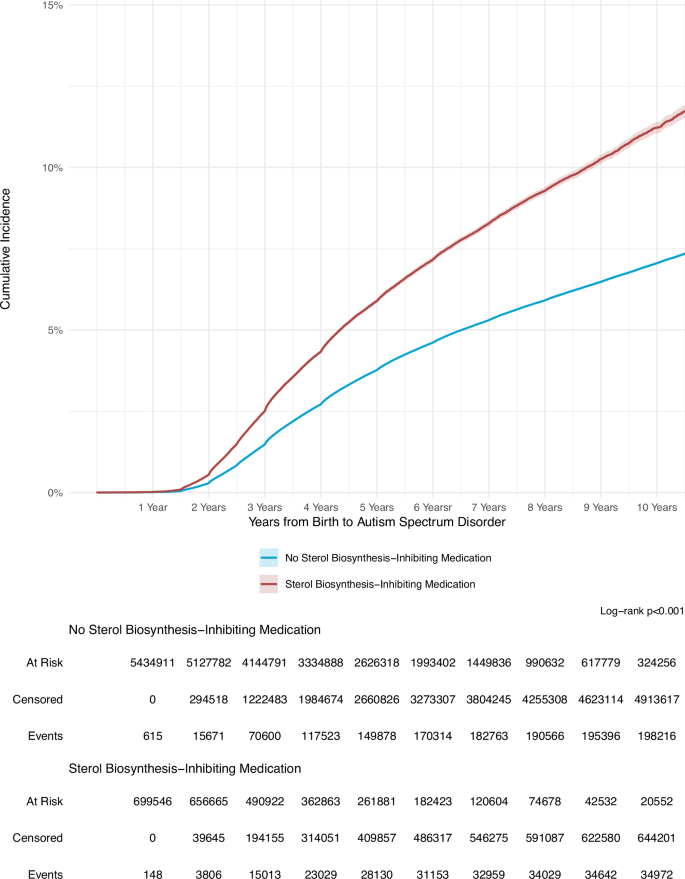
Study Links Antidepressants, Beta-blockers and Statins To Increased Autism Risk

An analysis of 6.14 million maternal-child health records  has linked prescription medications...

Pilot Study: Fibromyalgia Fatigue Improved By TENS Therapy

Fibromyalgia is the term for a poorly-understood condition where people experience pain and fatigue...

User picture.
News StaffRSS Feed of this column.

News Releases From All Over The World, Right To You... Read More »

Blogroll

Though you may have read otherwise, numerous studies from China, Spain and the United States have have found that the biodiversity of insects and related arthropods is not reduced by genetically modified (GM) rice, cotton, or maize fields.

A new study from South Africa published in Environmental Entomology shows similar results, that biodiversity is the same as that among conventional crops.

A total of 8,771 arthropod individuals, comprising 288 morphospecies, were collected from 480 plants sampled from Bt maize and non-Bt maize fields over a two-year period. The researchers found no significant differences in abundance or diversity in detritivores, herbivores, predators, or parasitoids.

Five Empa laboratories were involved in the EU «NanoHouse» project, along with four other European research institutes and four industrial partners. The aim of the project was to investigate the opportunities and risks presented by the nanomaterials used in the surface coatings applied to building façades. For the first time not only were freshly manufactured products studied to see if they set free nanoparticles, but also aged samples.

Increased awareness and a much broader range of conditions being part of the autism 'spectrum' has been good for therapists but is placing huge demands on health care systems and health care professionals.

A review published in the Canadian Medical Association Journal (CMAJ) seeks to help physicians provide appropriate medical support to families of children who may have an autism spectrum disorder (ASD), everything from detection to treatment.

ASD includes a wide variety of traits that range from mild to severe and is estimated to affect about 1% of the population.

The most comprehensive genetic study to date of the blood cancer multiple myeloma has revealed that the genetic landscape of the disease may be more complicated than previously thought. Through results published in Cancer Cell today, a team of Broad researchers has shown that an individual patient's tumor can harbor populations of cancer cells equipped with different mutations. These findings could have therapeutic implications for patients in the future.

While the ability of human embryonic stem cells (hESCs) to become any type of mature cell, from neuron to heart to skin and bone, is indisputably crucial to human development, no less important is the mechanism needed to maintain hESCs in their pluripotent state until such change is required.

In a paper published in this week's Online Early Edition of PNAS, researchers from the University of California, San Diego School of Medicine identify a key gene receptor and signaling pathway essential to doing just that – maintaining hESCs in an undifferentiated state.

RIVERSIDE, Calif. — Insects represent remarkable diversity and have adapted to all sorts of ecological nooks and crannies. For example, they have taste receptors — novel proteins — with which they taste chemicals and make important choices about not only foods but also mates and where to deposit their eggs. These receptors are widely seen as being at the leading edge of behavioral adaptations.

Now, using the common fruit fly, researchers at the University of California, Riverside have performed a study that describes just how the fly's taste receptors detect sweet compounds.



