

Banner
Synchrotron Could Shed Light On Exotic Dark Photons

There are many hypothetical particles proposed to explain dark matter and one idea to explore how...

The Pain Scale Is Broken But This May Fix It

Chronic pain is reported by over 20 percent of the global population but there is no scientific...
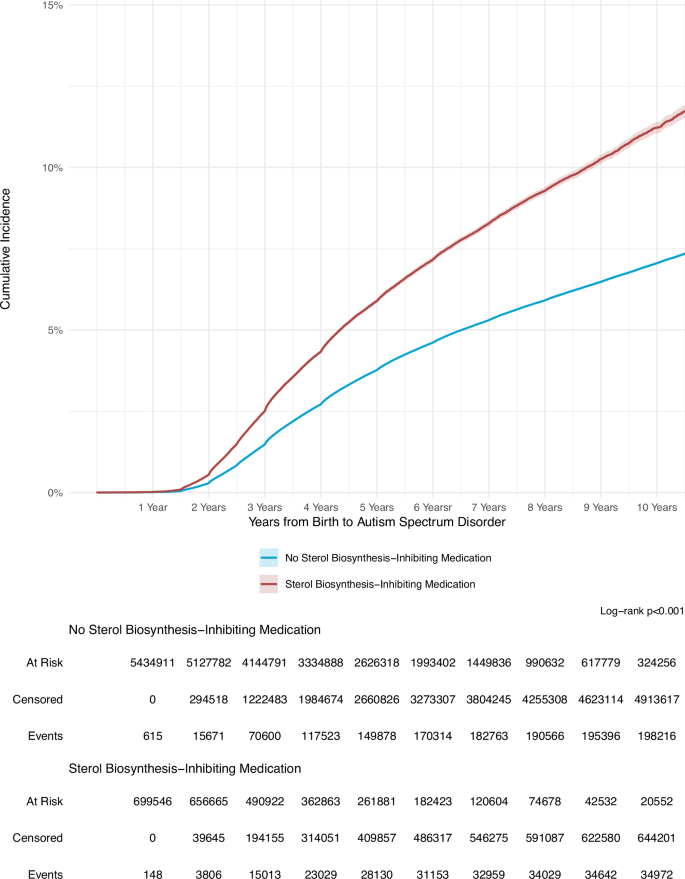
Study Links Antidepressants, Beta-blockers and Statins To Increased Autism Risk

An analysis of 6.14 million maternal-child health records  has linked prescription medications...

Pilot Study: Fibromyalgia Fatigue Improved By TENS Therapy

Fibromyalgia is the term for a poorly-understood condition where people experience pain and fatigue...

User picture.
News StaffRSS Feed of this column.

News Releases From All Over The World, Right To You... Read More »

Blogroll

CAMBRIDGE, MA -- MIT engineers have devised a way to measure the mass of particles with a resolution better than an attogram — one millionth of a trillionth of a gram. Weighing these tiny particles, including both synthetic nanoparticles and biological components of cells, could help researchers better understand their composition and function.

The system builds on a technology previously developed by Scott Manalis, an MIT professor of biological and mechanical engineering, to weigh larger particles, such as cells. This system, known as a suspended microchannel resonator (SMR), measures the particles' mass as they flow through a narrow channel.

The families of some very severely brain injured patients believe that once all treatment options are exhausted, allowing their relatives to die with the help of terminal sedation would be a humane and compassionate option.

The authors interviewed the families of patients in a vegetative or minimally conscious state, found some relatives believed euthanasia by sedation would be preferable to withholding or withdrawing treatment. Currently, the withdrawal of treatment such as artificial nutrition and hydration is the only legal method guaranteed to allow death in patients in a vegetative state.

As food science continues to advance, so do calls to label and ban foods that have been modified using modern techniques.

In GMOs, the genes of some plants used for food are tweaked to make them more healthful (Golden Rice) or pest-resistant (lots of others). By the end of 2012, farmers were growing GM crops on more than 420 million acres of land across 28 countries without any environmental or health issues but a well-funded campaign against these modifications has made some consumers leery of it. It was only a matter of time before someone created a comprehensive test for people concerned about GMOs and a group writing in Analytical Chemistry say they have done just that. 

A derided 1990s hypothesis of consciousness may have gotten new life, according to a review in Physics of Life Reviews, which claims that consciousness derives from deeper level, finer scale activities inside brain neurons.

A new paper claims that traditional Chinese herbal medicines might slow the progression of diabetes - by slowing the more vague condition referred to as "prediabetes."

Prediabetes is considered to mean elevated blood sugar levels without the rise in glucose levels of type 2 diabetes. Obviously such people are at greater risk for developing type 2 diabetes and then also heart disease and stroke. According to such a classification, the Centers for Disease Control and Prevention claim that about 79 million American adults age 20 years or older could be considered prediabetic. 

This is a key finding from an international multi-model analysis by the Stanford Energy Modeling Forum (EMF28) and comes at a crucial time, as the European Commission is set to announce next week its plans whether to scale up its efforts on emissions reduction in the next decade. However, beyond 2040, according to the scientists the costs risk to rise substantially. Technological innovation would be needed to counter this.





