

Banner
Synchrotron Could Shed Light On Exotic Dark Photons

There are many hypothetical particles proposed to explain dark matter and one idea to explore how...

The Pain Scale Is Broken But This May Fix It

Chronic pain is reported by over 20 percent of the global population but there is no scientific...
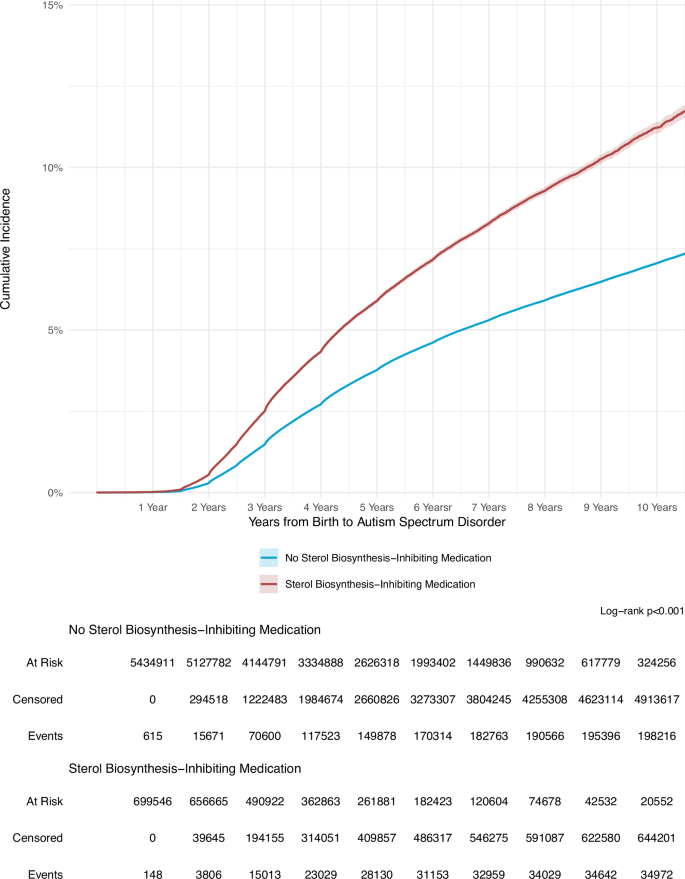
Study Links Antidepressants, Beta-blockers and Statins To Increased Autism Risk

An analysis of 6.14 million maternal-child health records  has linked prescription medications...

Pilot Study: Fibromyalgia Fatigue Improved By TENS Therapy

Fibromyalgia is the term for a poorly-understood condition where people experience pain and fatigue...

User picture.
News StaffRSS Feed of this column.

News Releases From All Over The World, Right To You... Read More »

Blogroll

You might not think of microbes when you consider biodiversity, but it turns out that even a moderate loss of less than 5% of soil microbes may compromise some key ecosystem functions and could lead to lower degradation of toxins in the environment.

Research published today (15 January) in the SfAM journal, Environmental Microbiology, reports that without a rich diversity of soil bacteria, specialised functions such as the removal of pesticide residues are not as effective.

Lincoln, Neb., Jan. 16, 2014 -- Using a camera-equipped robot to explore beneath the Ross Ice Shelf off Antarctica, scientists and engineers with the Antarctic Geological Drilling (ANDRILL) Program made an astonishing discovery.

Thousands upon thousands of small sea anemones were burrowed into the underside of the ice shelf, their tentacles protruding into frigid water like flowers on a ceiling.

"The pictures blew my mind," said Marymegan Daly of Ohio State University, who studied the specimens retrieved by ANDRILL team members in Antarctica.
The new species, discovered in late December 2010, was publicly identified for the first time in a recent article in the journal PLoS ONE.

Those free-swimming jellyfish in the sea don't start out in that familiar medusa form, but rather start as sessile and asexual polyps. Now, researchers reporting in the Cell Press journal Current Biology on January 16 have discovered what triggers that transformation in the moon jellyfish (Aurelia aurita). The key is a novel metamorphosis hormone that accumulates during the cold winter to induce a synchronized emergence of jellyfish in the spring.

This biological understanding might offer new methods for controlling moon jellyfish blooms, which can sometimes mean trouble for fisheries and other human endeavors, the researchers say. For example, a giant swarm of moon jellies shut down a nuclear reactor in Sweden last October.

BOSTON - A group of international researchers, led by a research fellow in the Harvard Medical School-affiliated Institute for Aging Research at Hebrew SeniorLife, published a paper today in Cell describing a study aimed at better understanding how inherited genetic differences, or variants, predispose certain individuals to develop diseases such as type 2 diabetes. The study integrated computational methodology with experimentation to address and prove underlying genetic causes of type 2 diabetes. In principle, the new methodology can be applied to any common disease, including osteoporosis, Alzheimer's disease and cancer. The hope is that with better understanding of how DNA functions in these individuals, new treatments will follow.

Lincoln, Neb., Jan. 16, 2014 -- Ask most workers if they've ever had a narcissist for a boss and you'll hear stories of leaders who have taken credit for others' work, made decisions without consulting others and used every opportunity to talk about themselves.

Yet, there have been scholars who have argued that the confidence that comes with narcissism is essential for leader success. Research has yielded mixed findings -- some studies have shown narcissism relates to poorer organizational outcomes while others find that narcissistic leaders are more effective.

A newly published study sought to conclusively answer the question: Do narcissists make good leaders?

A team of Australian researchers has taken a giant step towards controlling a growing problem in the wine community. They have identified special yeast that produce a lower level of alcohol, helping to preserve the flavor. Their research is published ahead of print in the journal Applied and Environmental Microbiology.

The alcoholic content of wine has crept gradually northward in the last 10-15 years, from 12-12.5 percent to beyond 15 percent. What might sound trivial to aficionados of hard liquor is seen by some oenophiles as a disturbing trend, threatening the flavor and character of some wines. That, plus issues of public health, as well as taxes (in some countries, on alcoholic content), have created a need for approaches to lowering alcohol content.

