

Banner
Synchrotron Could Shed Light On Exotic Dark Photons

There are many hypothetical particles proposed to explain dark matter and one idea to explore how...

The Pain Scale Is Broken But This May Fix It

Chronic pain is reported by over 20 percent of the global population but there is no scientific...
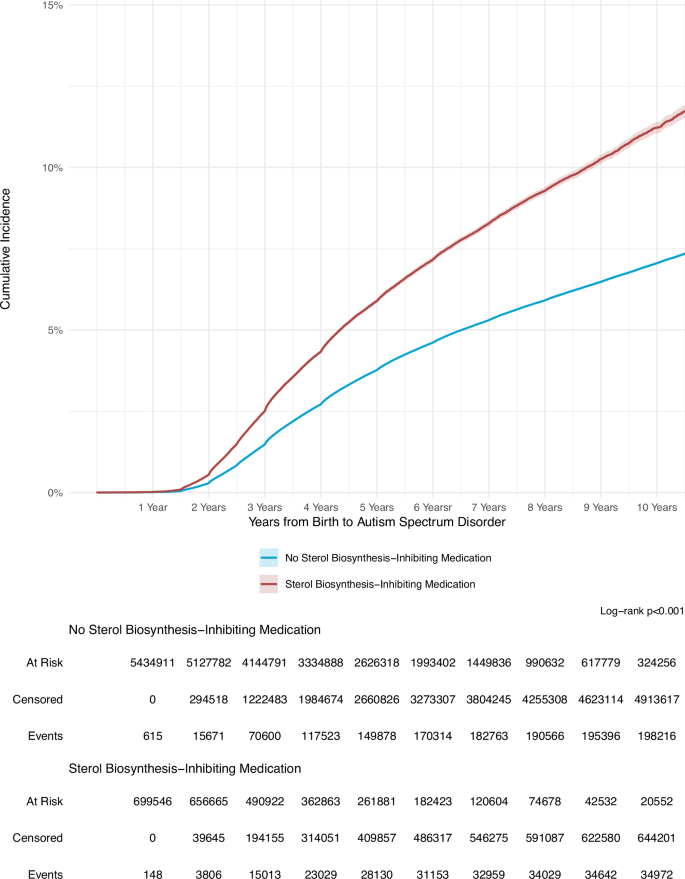
Study Links Antidepressants, Beta-blockers and Statins To Increased Autism Risk

An analysis of 6.14 million maternal-child health records  has linked prescription medications...

Pilot Study: Fibromyalgia Fatigue Improved By TENS Therapy

Fibromyalgia is the term for a poorly-understood condition where people experience pain and fatigue...

User picture.
News StaffRSS Feed of this column.

News Releases From All Over The World, Right To You... Read More »

Blogroll

Geologic time is shorthand for slow-paced. But new measurements from steep mountaintops in New Zealand show that rock can transform into soil more than twice as fast as previously believed possible.

The findings were published Jan. 16 in the early online edition of Science.

"Some previous work had argued that there were limits to soil production," said first author Isaac Larsen, who did the work as part of his doctoral research in Earth sciences at the University of Washington. "But no one had made the measurements."

A new study by a team of KU Leuven and international researchers has found that the chemical structure of queen pheromones in wasps, ants and some bees is strikingly similar, even though these insects are separated by millions of years of evolution and each evolved eusociality independently of the other. The results suggest that queen pheromones used by divergent groups of social insects evolved from conserved signals of a common solitary ancestor.

Writing in the 17 January issue of Science, the researchers say the new insights "could contribute greatly to our understanding of the evolution of eusociality" in insects. Eusociality is characterised by cooperative brood care, overlapping adult generations and division of labour between fertile queens and sterile workers.

Thousands of chemicals serving a variety of human needs flood into sewage treatment plants once their use life has ended. Many belong to a class of chemicals known as CECs (for chemicals of emerging concern), which may pose risks to both human and environmental health.

Arjun Venkatesan, a recent doctorate and Rolf Halden, professor and director of the Center for Environmental Security at Arizona State University's Biodesign Institute, have carried out meticulous tracking of many of these chemicals.

In a study appearing today in the Nature Publishing Group journal Scientific Reports, both authors outline a new approach to the identification of potentially harmful, mass-produced chemicals, describing the accumulation in sludge of 123 distinct CECs.

From 2000 to 2010, about 1,900 cyclones churned across the top of the world each year, leaving warm water and air in their wakes – and melting sea ice in the Arctic Ocean.

That's about 40 percent more of these Arctic storms than previously thought, according to a new study of vast troves of weather data that previously were synthesized at the Ohio Supercomputer Center (OSC).

A 40 percent difference in the number of cyclones could be important to anyone who lives north of 55 degrees latitude – the area of the study, which includes the northern reaches of Canada, Scandinavia and Russia, along with the state of Alaska.

Philadelphia, January 17, 2014 – Patients with fibromyalgia syndrome (FMS) typically have widespread chronic pain and fatigue. For those with low vitamin D levels, vitamin D supplements can reduce pain and may be a cost-effective alternative or adjunct to other treatment, say researchers in the current issue of PAIN®.

Leipzig: An international team of researchers has made important progress in understanding the distribution of the deadly amphibian chytrid pathogen. In some regions, the deadly impact of the pathogen appears to be hampered by small predators, naturally occurring in freshwater bodies. These micropredators may efficiently reduce the number of free-swimming infectious stages (zoospores) by consuming them. This natural behavior will reduce the infection pressure on potential amphibian hosts and a goes a long way towards explaining the occurrence of chytridiomycosis, at least in temporal climatic regions. These results were published in the renowned scientific journal Current Biology.

