

Banner
Synchrotron Could Shed Light On Exotic Dark Photons

There are many hypothetical particles proposed to explain dark matter and one idea to explore how...

The Pain Scale Is Broken But This May Fix It

Chronic pain is reported by over 20 percent of the global population but there is no scientific...
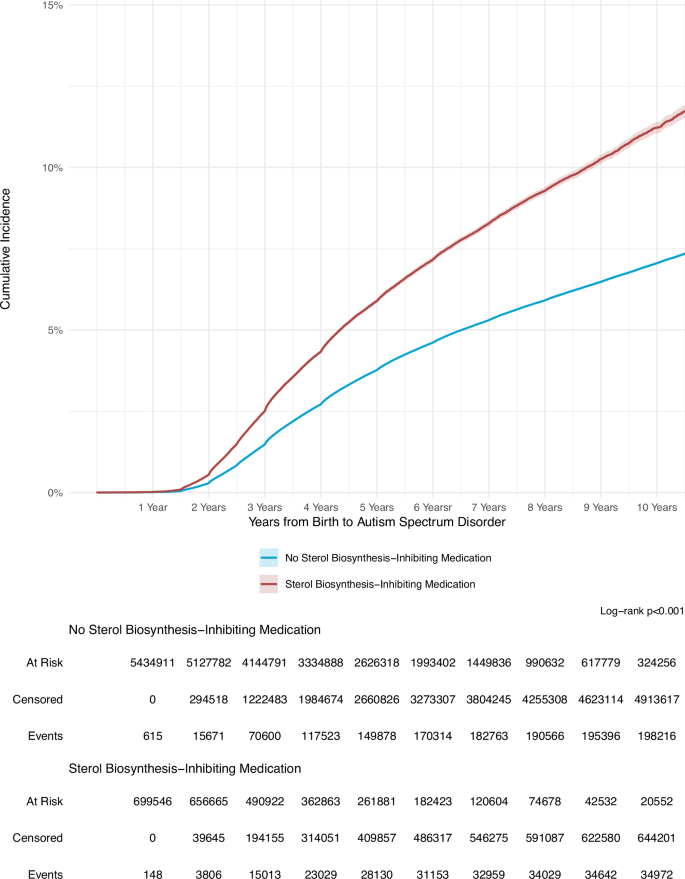
Study Links Antidepressants, Beta-blockers and Statins To Increased Autism Risk

An analysis of 6.14 million maternal-child health records  has linked prescription medications...

Pilot Study: Fibromyalgia Fatigue Improved By TENS Therapy

Fibromyalgia is the term for a poorly-understood condition where people experience pain and fatigue...

User picture.
News StaffRSS Feed of this column.

News Releases From All Over The World, Right To You... Read More »

Blogroll

A contest for the best technique of intracellular particle tracking (simultaneous tracking of the motions of hundreds and thousands of intracellular organelles, virions and even individual molecules), that is an important issue in cellular biology and has applications in search for appropriate medicines against certain diseases (including Parkinson's and Alzheimer's diseases), has found no undeniable winner. Techniques proposed by all the participants, including the Lomonosov Moscow State University professor Yannis Kalaidzidis, find their own ways for solving the problem.

Normally, a tissue injury causes cells to repair damaged tissue and restore the skin to a normal, homeostatic, state. Errors in this process can give rise to various problems, such as chronic inflammation, which is a known cause of certain cancers.  

The role of the hydrological cycle during abrupt temperature changes is of prime importance for the actual impact of climate change on the continents. In a new study published in Nature Geoscience online (January 19, 2014) scientists from the University of Potsdam, Germany and the GFZ German Research Centre for Geosciences show that during the abrupt cooling at the onset of the so-called Younger Dryas period 12680 years ago changes in the water cycle were the main drivers of widespread environmental change in western Europe. The team of scientists analyzed organic remains extracted from Meerfelder maar lake sediments from the Eifel region, western Germany, to reconstruct changes in precipitation patterns in unprecedented detail.

SAN DIEGO — Higher levels of melatonin, a hormone involved in the sleep-wake cycle, may suggest decreased risk for developing advanced prostate cancer, according to results presented here at the AACR-Prostate Cancer Foundation Conference on Advances in Prostate Cancer Research, held Jan. 18-21.

Melatonin is a hormone that is produced exclusively at night in the dark and is an important output of the circadian rhythm, or the body's inherent 24-hour clock. Many biological processes are regulated by the circadian rhythm, including the sleep-wake cycle. Melatonin may play a role in regulating a range of other hormones that influence certain cancers, including breast and prostate cancers.

Exposing skin to sunlight may help to reduce blood pressure and thus cut the risk of heart attack and stroke, a study published in the Journal of Investigative Dermatology suggests.

Research carried out at the Universities of Southampton and Edinburgh shows that sunlight alters levels of the small messenger molecule, nitric oxide (NO) in the skin and blood, reducing blood pressure.

MINNEAPOLIS – Middle-aged men who drink more than 36 grams of alcohol, or two and a half US drinks per day, may speed their memory loss by up to six years later on, according to a study published in the January 15, 2014, online issue of Neurology®, the medical journal of the American Academy of Neurology. On the other hand, the study found no differences in memory and executive function in men who do not drink, former drinkers and light or moderate drinkers. Executive function deals with attention and reasoning skills in achieving a goal.

