

Banner
Synchrotron Could Shed Light On Exotic Dark Photons

There are many hypothetical particles proposed to explain dark matter and one idea to explore how...

The Pain Scale Is Broken But This May Fix It

Chronic pain is reported by over 20 percent of the global population but there is no scientific...
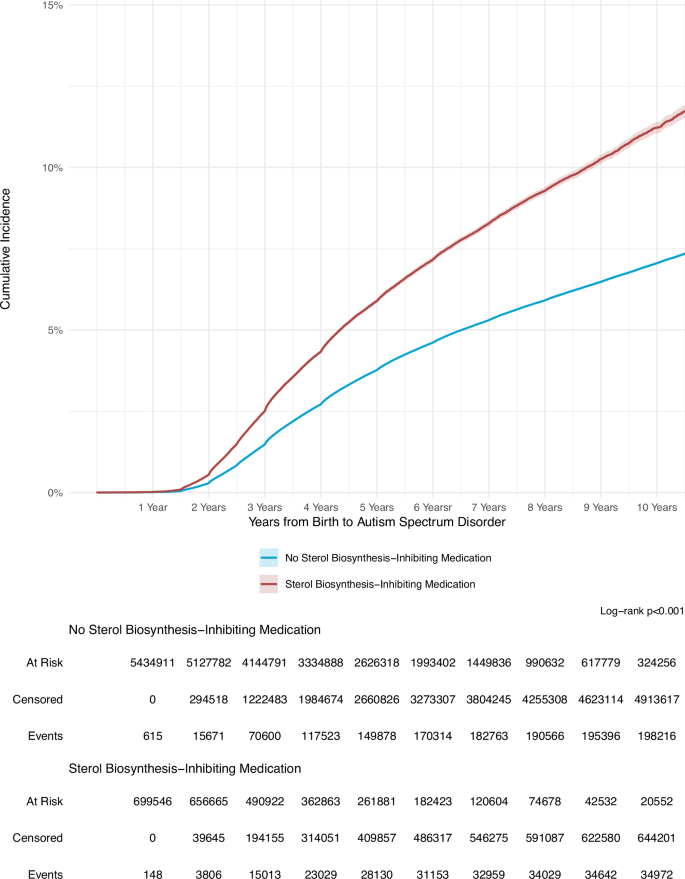
Study Links Antidepressants, Beta-blockers and Statins To Increased Autism Risk

An analysis of 6.14 million maternal-child health records  has linked prescription medications...

Pilot Study: Fibromyalgia Fatigue Improved By TENS Therapy

Fibromyalgia is the term for a poorly-understood condition where people experience pain and fatigue...

User picture.
News StaffRSS Feed of this column.

News Releases From All Over The World, Right To You... Read More »

Blogroll

A new study conservatively estimates that one in five women with ovarian cancer has inherited genetic mutations that increase the risk of the disease, according to research at Washington University School of Medicine in St. Louis.

Most women in the study would have been unaware of a genetic predisposition to ovarian cancer because they didn't have strong family histories that suggested it.

Silicon-based electronics has certain limits, in the physical sense of the word: this type of circuit can never become "nano" because of the physical laws governing the flow of electrons. This imposes a halt to the process of miniaturization of electronic devices. One of the possible solutions is to use molecules as circuits, but their poor conduction capabilities make them unlikely candidates. There is, however, a possible way around this, which was investigated in a recent paper published in Proceedings of the National Academy of Sciences (PNAS) by an international research team that includes Ryan Requist, Erio Tosatti and Michele Fabrizio of the International School for Advanced Studies (SISSA) in Trieste.

Humans are able to smell sickness in someone whose immune system is highly active within just a few hours of exposure to a toxin, according to new research published in Psychological Science, a journal of the Association for Psychological Science.

According to researcher Mats Olsson of Karolinska Institutet in Sweden, there is anecdotal and scientific evidence suggesting that diseases have particular smells. People with diabetes, for example, are sometimes reported to have breath that smells like rotten apples or acetone.

Being able to detect these smells would represent a critical adaptation that would allow us to avoid potentially dangerous illnesses. Olsson wondered whether such an adaptation might exist already at an early stage of the disease.

In two studies in the January 24 issue of Science, researchers at Albert Einstein College of Medicine of Yeshiva University used advanced imaging techniques to provide a window into how the brain makes memories. These insights into the molecular basis of memory were made possible by a technological tour de force never before achieved in animals: a mouse model developed at Einstein in which molecules crucial to making memories were given fluorescent "tags" so they could be observed traveling in real time in living brain cells.

Male túngara frogs call from puddles to attract females. The production of the call incidentally creates ripples that spread across the water. Researchers at the Smithsonian Tropical Research Institute in Panama revealed that these ripples are used by other male frogs to assess the level of competition in the puddle. Unfortunately for the frogs, their main predator, the frog-eating bat, senses the ripples too, making the frogs easier targets.

A viral pathogen that typically infects plants has been found in honeybees and could help explain their decline. Researchers working in the U.S. and Beijing, China report their findings in mBio, the online open-access journal of the American Society for Microbiology.

The routine screening of bees for frequent and rare viruses "resulted in the serendipitous detection of Tobacco Ringspot Virus, or TRSV, and prompted an investigation into whether this plant-infecting virus could also cause systemic infection in the bees," says Yan Ping Chen from the U.S. Department of Agriculture's Agricultural Research Service (ARS) laboratory in Beltsville, Maryland, an author on the study.

