

Banner
Synchrotron Could Shed Light On Exotic Dark Photons

There are many hypothetical particles proposed to explain dark matter and one idea to explore how...

The Pain Scale Is Broken But This May Fix It

Chronic pain is reported by over 20 percent of the global population but there is no scientific...
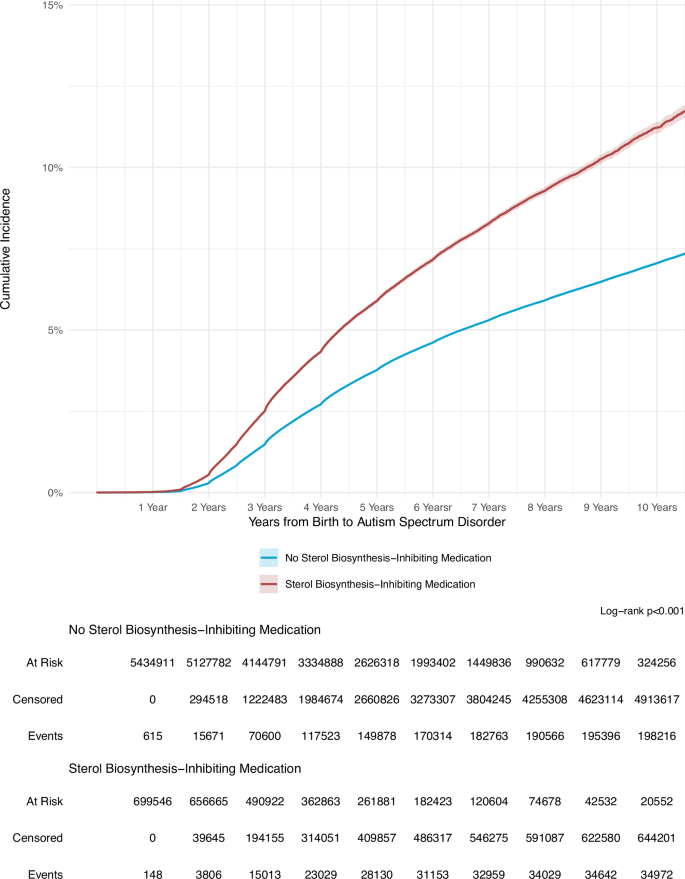
Study Links Antidepressants, Beta-blockers and Statins To Increased Autism Risk

An analysis of 6.14 million maternal-child health records  has linked prescription medications...

Pilot Study: Fibromyalgia Fatigue Improved By TENS Therapy

Fibromyalgia is the term for a poorly-understood condition where people experience pain and fatigue...

User picture.
News StaffRSS Feed of this column.

News Releases From All Over The World, Right To You... Read More »

Blogroll

Looking strictly at the economic costs and benefits of three different roof types—black, white and "green" (or vegetated)—Lawrence Berkeley National Laboratory (Berkeley Lab) researchers have found in a new study that white roofs are the most cost-effective over a 50-year time span. While the high installation cost of green roofs sets them back in economic terms, their environmental and amenity benefits may at least partially mitigate their financial burden.

While marketing campaigns against farming claim otherwise, agricultural practices can have a broad beneficial influence on bird abundance and diversity. Row crops are considered to be bad for wildlife but a new study shows that isn't necessarily true.

The report finds that several bird species – some of them rare – are making extensive use of soybean fields in Illinois.

The team spent about 13 weeks each spring and summer in 2011 and 2012 scouring a total of 24 fields (12 per year) in two counties in Central Illinois. The fields were 18 to 20 hectares (44-49 acres) on average, and the researchers walked roughly 3,200 kilometers (1,988 miles) in the course of the study.

(Santa Barbara, Calif.) — A device that can monitor the levels of specific drugs as they flow through the bloodstream may soon take the guesswork out of drug dosing and allow physicians to tailor prescriptions to their patients' specific biology. Developed by UC Santa Barbara researchers Tom Soh, Kevin Plaxco and Scott Ferguson, the biosensor combines engineering and biochemistry and has far-reaching potential.

Doctors and pharmaceutical companies can generally determine reasonable drug doses for most patients through batteries of tests and trials. However, the efficacy of a drug treatment relies on maintaining therapeutic levels of the drug in the body, a feat not so easily accomplished.

A new paper in Trends in Endocrinology  &  Metabolism  finds that regular exposure to mild cold may be a healthy and sustainable way to help people lose weight. Obviously so would eating less.

Their work suggests our warm and cozy homes and offices might be partly responsible for our expanding waistlines rather than our buffet lunches.

An analysis of routine insurance data from the Barmer GEK statutory health insurance company shows that during the years 2005 to 2012, antipsychotic prescriptions for kids in Germany increased a lot. 

Airline-related complaints made to the U.S. Department of Transportation (DOT) from 2002 to 2012  reveal that passengers were less likely to make a formal complaint about service quality if they were on a long-established "network" carrier.

Passengers of low-cost upstarts tended to complain less, even though the quality of service may have been just as poor.




