Banner
Synchrotron Could Shed Light On Exotic Dark Photons

There are many hypothetical particles proposed to explain dark matter and one idea to explore how...

The Pain Scale Is Broken But This May Fix It

Chronic pain is reported by over 20 percent of the global population but there is no scientific...
Study Links Antidepressants, Beta-blockers and Statins To Increased Autism Risk

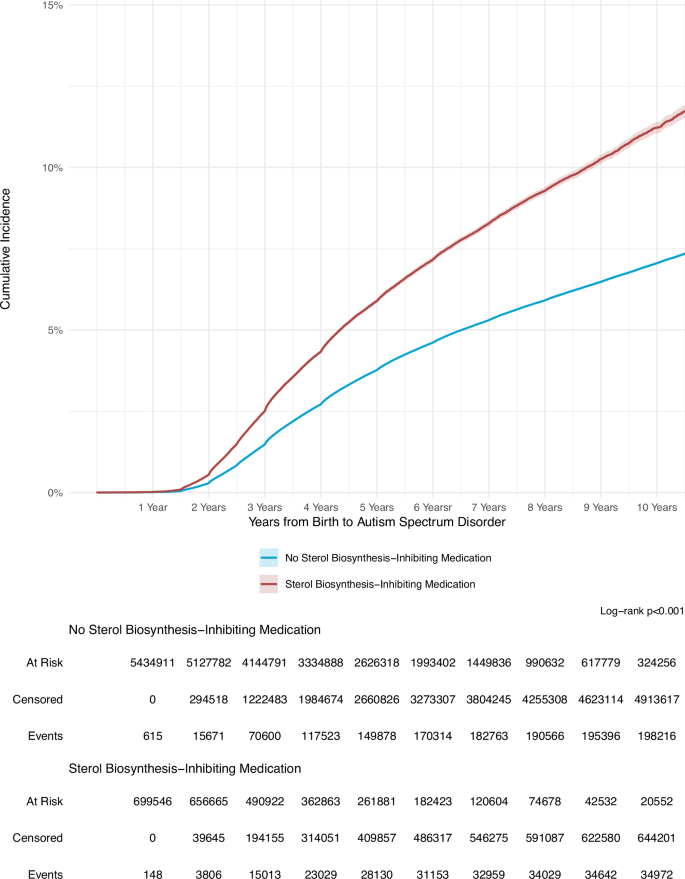
An analysis of 6.14 million maternal-child health records  has linked prescription medications...

Pilot Study: Fibromyalgia Fatigue Improved By TENS Therapy

Fibromyalgia is the term for a poorly-understood condition where people experience pain and fatigue...

User picture.
News StaffRSS Feed of this column.

News Releases From All Over The World, Right To You... Read More »

Blogroll

North American bats are facing a tough new millennium. 600,000 per year are already killed due to government subsidies of wind energy and so far 7 million have died due to White Nose Syndrome.

While we are likely stuck with wind energy for the foreseeable future, there is hope for White Nose Syndrome. Scientists have discovered that the deadly WNS fungus can survive in caves with or without the presence of bats.

If you are stressed about giving a public speech or a presentation to your boss, it helps to talk about it - if the person you are talking to is also stressed out.

People benefit by spending time and conversing with someone whose emotional response is in line with theirs. Such an alignment may be helpful in the workplace.

What would make snakes scarier?

For spiders, the answer is easy. If you see one big enough to be feasting on Orc flesh in the caves under Mt. Doom, run, but snakes are tougher to make scary because they are slow.

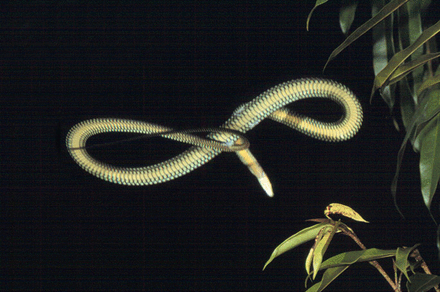
Not all of them. Snakes may not look aerodynamic but some snakes can fly - literally. They slither in air, creating an S shape as they glide as much as 90 feet.

But how do they generate the lift to stay airborne? Jake Socha has spent much of his career figuring out flying snakes and says  "They look like they are swimming. They turn their whole body into one aerodynamic surface."

The Annals of the American Thoracic Society has released a comprehensive supplement on the 56th annual Thomas L. Petty Aspen Lung Conference entitled "The Lung Microbiome: A New Frontier in Pulmonary Medicine."

More than 170 microbiologists, basic respiratory scientists, and pulmonary clinicians traveled from nine countries to convene at the three-day conference, which took place in June 2013 in Aspen, CO. Research from 12 state-of-the-art speakers, 24 oral research presentations, and 20 posters from pioneers in the emerging field are included in the supplement, as well as an introduction from conference chairs Richard J. Martin, MD, Sonia Flores, PhD, and Monica Kraft, MD, and a conference summary from James Kiley, PhD.

BOSTON (01/23/14)—A young athlete in seemingly excellent health dies suddenly from a previously undetected cardiovascular condition such as hypertrophic cardiomyopathy in nearly every U.S. state annually. Although these conditions can be detected using electrocardiography (ECG) during a screening exam, the American Heart Association recommends against routine use of ECG, because it has a high false-positive rate. Limiting screening to a history and physical, however, usually fails to identify at-risk athletes. "The sports medicine physical lacks an effective way of ferretting out these heart problems," says Gianmichel Corrado, MD, from Boston Children's Hospital Division of Sports Medicine. Until now.

In laboratory experiments conducted on human cell lines at the Johns Hopkins Kimmel Cancer Center, scientists have shown that people carrying certain mutations in two hereditary cancer genes, BRCA2 and PALB2, may have a higher than usual susceptibility to DNA damage caused by a byproduct of alcohol, called acetaldehyde.

The scientists say they suspect that the two genes in their normal forms evolved to protect cells against the damaging effects of acetaldehyde, which can lead to cancer.

While the scientists caution that the research is preliminary, they say their findings suggest that studies on disease risk factors should take into account these particular genetic variations and the use of alcohol.