

Banner
Synchrotron Could Shed Light On Exotic Dark Photons

There are many hypothetical particles proposed to explain dark matter and one idea to explore how...

The Pain Scale Is Broken But This May Fix It

Chronic pain is reported by over 20 percent of the global population but there is no scientific...
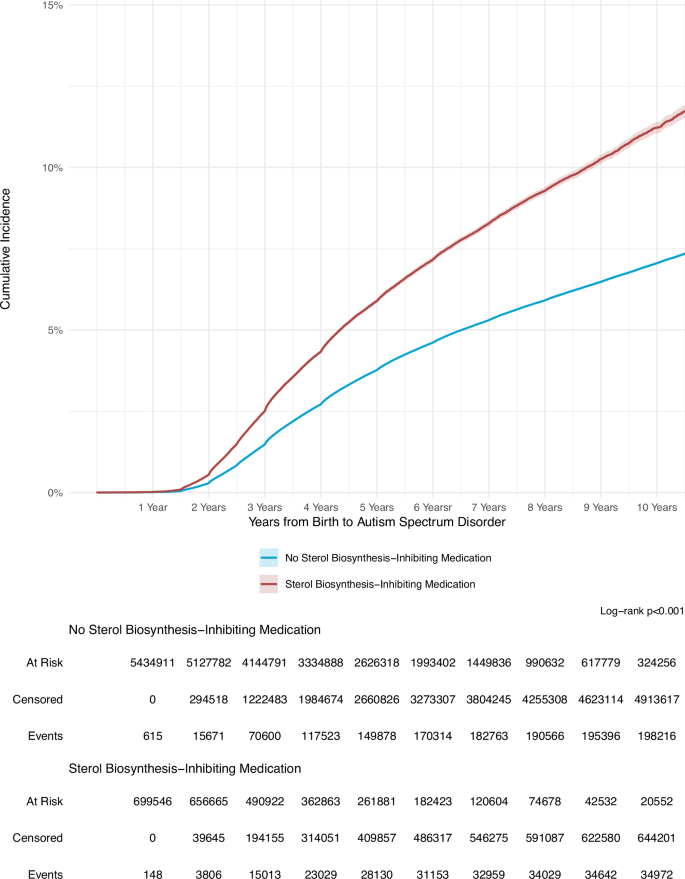
Study Links Antidepressants, Beta-blockers and Statins To Increased Autism Risk

An analysis of 6.14 million maternal-child health records  has linked prescription medications...

Pilot Study: Fibromyalgia Fatigue Improved By TENS Therapy

Fibromyalgia is the term for a poorly-understood condition where people experience pain and fatigue...

User picture.
News StaffRSS Feed of this column.

News Releases From All Over The World, Right To You... Read More »

Blogroll

Currently approved flu vaccines are less effective in the elderly, yet an estimated 90% of influenza-related deaths occur in people over 65. A paper published on January 23rd in PLOS Pathogens reports on the challenges scientists encountered when they were trying to develop a better flu vaccine.

Because immune systems in older people are generally less responsive to vaccination, Jay Evans and colleagues from GlaxoSmithKline Vaccines in Hamilton, USA, were testing so-called adjuvants—vaccine components that provoke a stronger immune reaction—that could be added to the regular flu vaccine cocktail to prompt even weaker immune systems to develop protective immunity against subsequent encounters with the flu virus.

A team of scientists, led by principal investigator David D. Schlaepfer, PhD, a professor in the Department of Reproductive Medicine at the University of California, San Diego School of Medicine, has found that a protein involved in promoting tumor growth and survival is also activated in surrounding blood vessels, enabling cancer cells to spread into the bloodstream.

The findings are published in this week's online issue of the Journal of Cell Biology.

Blood vessels are tightly lined with endothelial cells, which form a permeability barrier to circulating cells and molecules. "Our studies show that pharmacological or genetic inhibition of the endothelial protein focal adhesion kinase, or FAK, prevents tumor spread by enhancing the vessel barrier function."

Soils of southern South America, including Patagonia, have endured a high frequency of disturbances from volcanic eruptions, earthquakes, landslides, and erosion. In addition, massive fires in the mid-20th century were set to forests in the region in an effort to promote colonization. In 2010, another 17,000 acres of Patagonia burned, fueling an international reforestation effort. Although the young soils of southern South America may contain high phosphorus levels, the element is tightly bound to the soil, offering limited phosphorus available to plants.

So how can plants in this area take root and access that phosphorus?

An editorial in this month's edition of Global Heart (the journal of the World Heart Federation) suggests the world of medicine could be experiencing its final days of the stethoscope, due to the rapid advent of point-of-care ultrasound devices that are becoming increasingly accurate, smaller to the point of being hand-held and less expensive as the years roll by. The editorial is by Professor Jagat Narula, Editor-in-Chief of Global Heart (Mount Sinai School of Medicine, New York, USA) and Associate Professor Bret Nelson, also of Mount Sinai School of Medicine, New York, USA.

NEW YORK, NY (January 22, 2014) — Columbia University Medical Center (CUMC) researchers have identified a gene, called matrix metalloproteinase-9 (MMP-9), that appears to play a major role in motor neuron degeneration in amyotrophic lateral sclerosis (ALS), also known as Lou Gehrig's disease. The findings, made in mice, explain why most but not all motor neurons are affected by the disease and identify a potential therapeutic target for this still-incurable neurodegenerative disease. The study was published today in the online edition of the journal Neuron.

This news release is available in German.

Each cell in our body is unique. Even cells of the same tissue type that look identical under the microscope differ slightly from each other. To understand how a heart cell can develop from a stem cell, why one beta-cell produces insulin and the other does not, or why a normal tissue cell suddenly mutates to a cancer cell, scientists have been targeting the activities of ribonucleic acid, RNA.

