

Banner
Synchrotron Could Shed Light On Exotic Dark Photons

There are many hypothetical particles proposed to explain dark matter and one idea to explore how...

The Pain Scale Is Broken But This May Fix It

Chronic pain is reported by over 20 percent of the global population but there is no scientific...
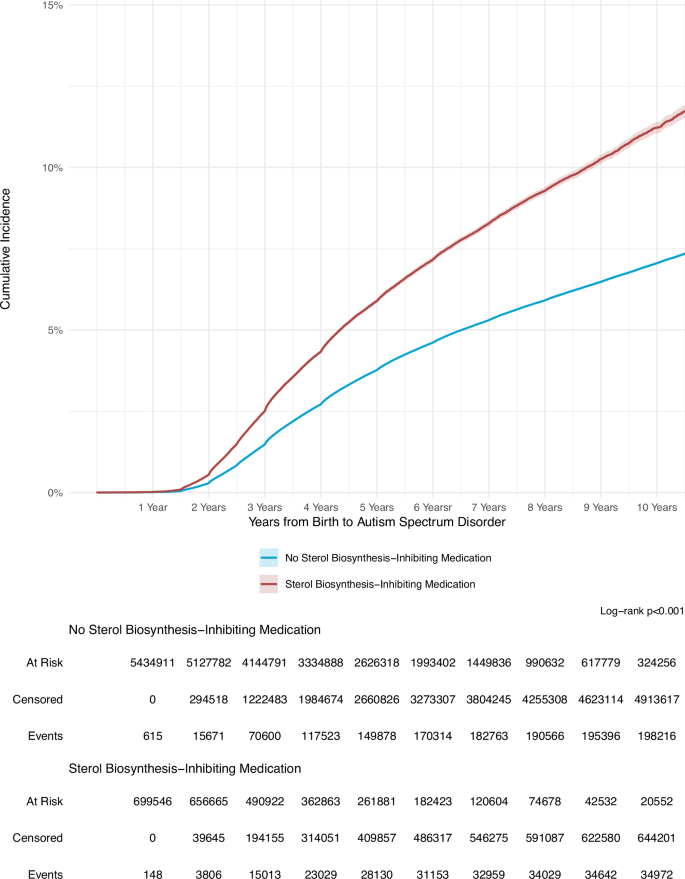
Study Links Antidepressants, Beta-blockers and Statins To Increased Autism Risk

An analysis of 6.14 million maternal-child health records  has linked prescription medications...

Pilot Study: Fibromyalgia Fatigue Improved By TENS Therapy

Fibromyalgia is the term for a poorly-understood condition where people experience pain and fatigue...

User picture.
News StaffRSS Feed of this column.

News Releases From All Over The World, Right To You... Read More »

Blogroll

The findings of the scientists of the Institute of Diabetes and Regeneration Research (IDR) at Helmholtz Zentrum München (HMGU) provide new insights into the molecular regulation of stem cell differentiation. These results reveal important target structures for regenerative therapy approaches to chronic diseases such as diabetes.

During embryonic development, organ-specific cell types are formed from pluripotent stem cells, which can differentiate into all cell types of the human body. The pluripotent cells of the embryo organize themselves at an early stage in germ layers: the endoderm, mesoderm and ectoderm. From these three cell populations different functional tissue cells arise, such as skin cells, muscle cells, and specific organ cells.

Can last meals reveal something the innocence of guilt of individuals on death row?

Some have argued there is significance embedded in death row last meal decisions.

Famously/weirdly, cop-killer Ricky Ray Rector asked to save his untouched pecan pie for after his execution, which sparked significant discussion about Rector's competency; on the basis of his food request.

The ribosome can be thought of as a decryption device housed within the cell. It is able to decipher the genetic code, which is delivered in the form of messenger ribonucleic acid (mRNA), and translate it into a specific sequence of amino acids. The final assembly of amino acids into long protein chains also takes place in these enzyme complexes. Without ribosomes, a cell would be unable to produce any proteins. Due to their central function, these enzyme complexes have long been the focus of attention of biologists.

The search for extraterrestrial life goes on, sort of. We do it, as half-heartedly as we do anything in space, because we're more afraid of being alone than finding another civilization. Or vice versa.

But we may not be looking in the best spots, even if we are looking in the Habitable Zones. Looking for planets or moons outside the "stellar habitable zone" might lead to environments that are even more favorable to supporting life than here on Earth, according to a crazy/insightful article in Astrobiology. These superhabitable worlds might have unique characteristics and be ideal targets for extrasolar exploration, the authors speculate, though that won't mobilize a lot of policymakers. 

Setting the stage for possible advances in pain treatment, researchers at The Johns Hopkins University and the University of Maryland report they have pinpointed two molecules involved in perpetuating chronic pain in mice. The molecules, they say, also appear to have a role in the phenomenon that causes uninjured areas of the body to be more sensitive to pain when an area nearby has been hurt. A summary of the research will be published on Jan. 23 in the journal Neuron.

Neuroscientists from the University of Leicester, in collaboration with the Department of Neurosurgery at the University California Los Angeles (UCLA), are to reveal details of how the brain determines the timing at which neurons in specific areas fire to create new memories.

This research exploits the unique opportunity of recording multiple single-neurons in patients suffering from epilepsy refractory to medication that are implanted with intracranial electrodes for clinical reasons.

The study, which is to be published in the academic journal Current Biology, is the result of collaboration between Professor Rodrigo Quian Quiroga and Dr Hernan Rey at the Centre for Systems Neuroscience at the University of Leicester and Professor Itzhak Fried at UCLA.


