Banner
Synchrotron Could Shed Light On Exotic Dark Photons

There are many hypothetical particles proposed to explain dark matter and one idea to explore how...

The Pain Scale Is Broken But This May Fix It

Chronic pain is reported by over 20 percent of the global population but there is no scientific...
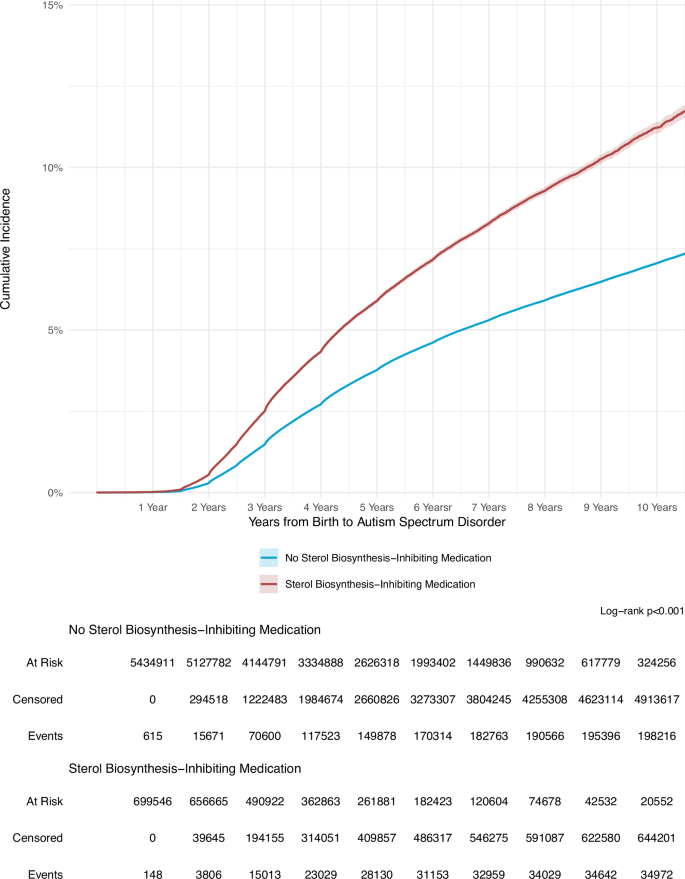
Study Links Antidepressants, Beta-blockers and Statins To Increased Autism Risk

An analysis of 6.14 million maternal-child health records  has linked prescription medications...

Pilot Study: Fibromyalgia Fatigue Improved By TENS Therapy

Fibromyalgia is the term for a poorly-understood condition where people experience pain and fatigue...

User picture.
News StaffRSS Feed of this column.

News Releases From All Over The World, Right To You... Read More »

Blogroll

If you ever watched/read the advocacy cartoon/book/Darwinian morality play "FernGully: The Last Rainforest" you might think that ruining the rainforests is a modern phenomenon brought on by McDonald's hamburgers or guitar makers or whoever and ancient man lived in harmony with nature.

It's a great mythology but just that - nature does not live in harmony with anything. Since almost the moment the last Ice Age ended, prehistoric man has kept fighting nature, including rainforests in Borneo, Sumatra, Java, Thailand and Vietnam, which had been termed 'untouched by humans.'

With the cost of American health care set to increase substantially, the search is on to start forcing people to curb preventable diseases, like those related to obesity.

But it may not be a choice, according to some psychologists. The same way that people can be addicted to drugs and alcohol, they can have an unhealthy relationship with food. 

More than one-third of U.S. adults are obese, according to the Centers for Disease Control and Prevention, putting them at greater risk for heart disease, stroke, type 2 diabetes and certain types of cancer. The estimated annual medical cost of obesity could have been as high as $147 billion in 2008 U.S. dollars, and obese people pay an average of $1,429 more in medical expenses than those of normal weight.

10 years of Opportunity and Spirit on Mars have given us some interesting insights, like that the oldest minerals show that around four billion years ago Mars had liquid water so fresh it could have supported life.

Everyone with a sense of adventure wants to go to 'the final frontier' and explore strange new worlds.

But bring your medication. It might not be good for your immune system.

It's so surprise that spaceflight affects immune responses but the new paper clarifies that a bit and says that being born in and growing up on the Space Shuttle weakened a key arm of the immune system in Drosophila flies, while being in a centrifuge under hypergravity conditions improved resistance. 

A group of researchers say they have established a new biomarker for how stressed polar bears are about climate change.    

Last year, a team reported that fluctuations in climate and ice cover are closely related to stress among polar bears in East Greenland as indicated by levels of the stress hormone cortisol in hair samples. The team is hopeful this type of analysis will be beneficial once others learn that it can now be done with much greater reliability.

Obesity has risen and everyone wants to assign blame. New York City blamed trans fats before they blamed sodas, San Francisco blamed McDonald's marketing.

But outside government policy makers, most people consider obesity a choice. And the data is on their side. Every study throughout history has found that people who burn more calories than they consume lose weight, and that goes for weight gain also.

A new survey by two food economists confirmed that even obese people don't blame restaurants, grocery stores, farmers, or government policies for obesity, which means that creating and enforcing public policies to reduce obesity or encourage/mandate healthier food is probably not going to be effective.