Banner
Synchrotron Could Shed Light On Exotic Dark Photons

There are many hypothetical particles proposed to explain dark matter and one idea to explore how...

The Pain Scale Is Broken But This May Fix It

Chronic pain is reported by over 20 percent of the global population but there is no scientific...
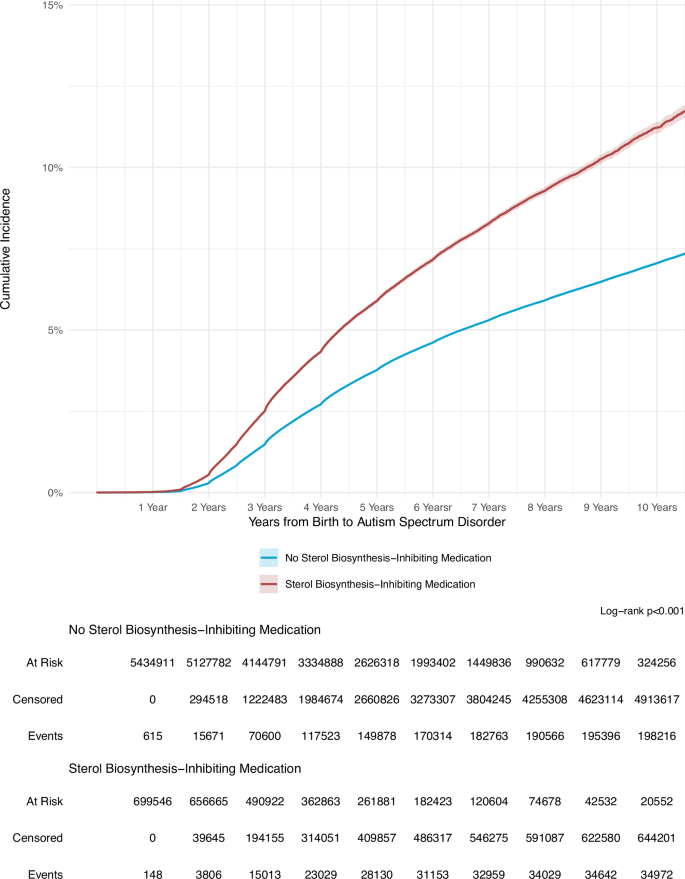
Study Links Antidepressants, Beta-blockers and Statins To Increased Autism Risk

An analysis of 6.14 million maternal-child health records  has linked prescription medications...

Pilot Study: Fibromyalgia Fatigue Improved By TENS Therapy

Fibromyalgia is the term for a poorly-understood condition where people experience pain and fatigue...

User picture.
News StaffRSS Feed of this column.

News Releases From All Over The World, Right To You... Read More »

Blogroll

Human induced-pluripotent stem cells (iPSCs) derived from human umbilical cord-blood are capable of repairing damaged retinal vascular tissue in mice, according to a new paper.

The adult stem cells were coaxed turned into an embryonic-like state without the conventional use of viruses, which can mutate genes (and thus initiate cancers) and paves the way for regenerative medicine using a stem cell bank of cord-blood derived iPSCs.

What would you do if you were on a borehole drilling expedition and tapped into 1,000 degree Celcius magma at slightly over a mile deep?

Most people would run but the Icelandic Deep Drilling Project
at Krafla in 2009 felt a sense of accomplishment. It was only the second known instance of drilling onto magma (the first was in Hawaii in 2007 and there were on a search for high-temperature geothermal resources. 

Researchers have sequenced the genome of the world's oldest continuously surviving cancer, a transmissible genital cancer which causes grotesque genital tumors in dogs around the world.

It first arose in a single dog that lived about 11,000 years ago and survived after the death of this dog by the transfer of its cancer cells to other dogs during mating and, from there, around the world.

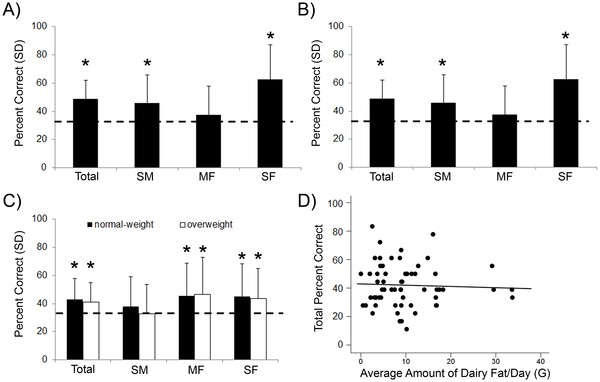
A new paper says the the human sense of smell can detect dietary fat in food.

As the most calorically dense nutrient, fat has been a desired energy source across much of human evolution - but those people who claim they want to eat like their ancient ancestors are doing themselves a huge disservice eating that way now. A diet high in fat today is a health problem but in the past it would have been advantageous to be able to detect sources of fat in food, just as sweet taste is thought to signal a source of carbohydrate energy, says Johan Lundström, PhD, a cognitive scientist at Monell Chemical Senses Center and senior author of a new paper on the topic.

Though media stories about obesity are still prevalent, what gets left out is that American obesity rates have stabilized.

It's unclear why. Some papers claim it was due to the lingering stagnant economy. People go out to eat less, they shop smarter. But a new paper claims it is health food advocacy that has done its job and the leveling off (and, in some demographics, decline) started during the better economy of the Bush years, when  more information and efforts were aimed at producing healthier food choices and eating habits.

So far, the Affordable Care Act and its mandate for insurance coverage has been a disaster. It isn't just that the website doesn't work, it's that the bulk of the people signing up for the program have simply switched from other insurance plans they already had, in order to get a subsidy. Relative to the population, very few people that wanted insurance were uninsured and so only about 11 percent of enrollments were actual uninsured people. It hasn't helped most uninsured people and without massive participation to offset higher costs, the insurance companies won't stay in: Aetna has left numerous state exchanges and says it may have to leave Obamacare entirely next year.