Banner
Pilot Study: Fibromyalgia Fatigue Improved By TENS Therapy

Fibromyalgia is the term for a poorly-understood condition where people experience pain and fatigue...

High Meat Consumption Linked To Lower Dementia Risk

Older people who eat large amounts of meat have a lower risk of dementia and cognitive decline...

Long Before The Inca Colonized Peru, Natives Had A Thriving Trade Network

A new DNA analysis reveals that long before the Incan Empire took over Peru, animals were...

Mesolithic People Had Meals With More Tradition Than You Thought

The common imagery of prehistoric people is either rooting through dirt for grubs and picking berries...

User picture.
News StaffRSS Feed of this column.

News Releases From All Over The World, Right To You... Read More »

Blogroll

Hikers in New Hampshire's White Mountain National Forest often hit the trail less prepared than they should be, according to a survey that gaged readiness by how many of 10 essential items the hikers brought along. Which means hikers everywhere probably lack the same things, though experience obviously changes that.

Young and inexperienced hikers were most likely to lack multiple items recommended by the State of New Hampshire's HikeSafe program, according to a paper Wilderness&Environmental Medicine. Each year, scores of imperiled hikers require search and rescue missions in the state, but little quantitative research exists on how and why they end up in trouble.

Dr. Ian Marcus, recent Ph.D. from the U.C. Riverside Bourns College of Engineering, wanted to better understand how bacteria impact the environment . So he spent nearly a year building a system that replicates a human colon, septic tank and groundwater and "fed" the colon three times a day during week-long experiments to simulate human eating.

scientists typically study bacteria in an isolated environment under ideal growing conditions. That presents a problem because bacteria typically proliferate in microbial communities with other microorganisms such as archaea, fungi and protozoa.

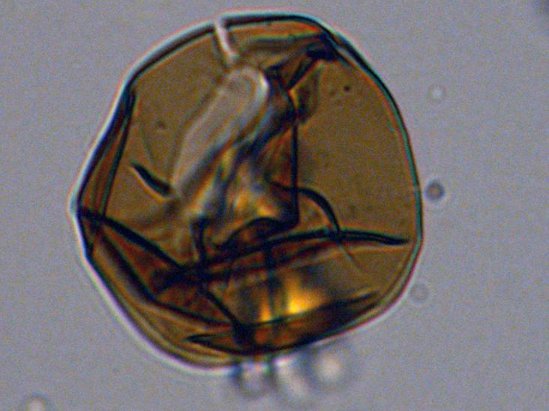
Before the Oligocene epoch some 33.6 million years ago, the Earth was a warm place with a tropical climate. In this region, plankton diversity was high until glaciation - the Antarctic continental ice cap - reduced the populations leaving only those capable of surviving in the new climate.

Since that time, we have had seasonal primary productivity of plankton communities. This ice-cap is associated with the ice-pack, the frozen part that disappears and reappears as a function of seasonal climate changes. This phenomenon, still active today, influences global food webs, according to a paper in Science which used information contained in ice sediments from different depths.
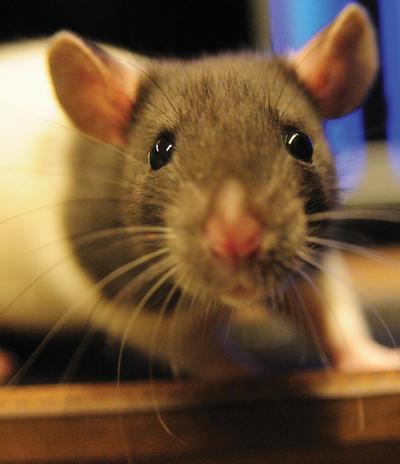
Rats move their eyes in opposite directions in both the horizontal and the vertical plane when running around. Each eye moves in a different direction, depending on the change in the animal’s head position,  according to a behavioral tracking study that used miniaturized high-speed cameras.

Like many mammals, rats have their eyes on the sides of their heads. This gives them a very wide visual field, useful for detection of predators. However, three-dimensional vision requires overlap of the visual fields of the two eyes. Thus, the visual system of these animals needs to meet two conflicting demands at the same time; on the one hand maximum surveillance and on the other hand detailed binocular vision.

Modern human mothers wean their babies earlier than our closest primate relatives - well, not all human mothers. As a TIME magazine cover made famous, some mothers never stop. 

But what about our extinct relatives, the Neanderthals? Teeth tell the tale. 

Archaeologists think they have some responses for the hypothesis that our early forebears were forced out of the trees and onto two feet when climate change reduced tree cover.

Our earliest ancestors changed from tree dwelling quadrupeds to upright bipeds capable of walking and scrambling and the authors in Antiquity ('Complex Topography and Human Evolution: the Missing Link') say our upright gait may have its origins in the rugged landscape of East and South Africa, which was shaped during the Pliocene epoch by volcanoes and shifting tectonic plates.