Banner
Pilot Study: Fibromyalgia Fatigue Improved By TENS Therapy

Fibromyalgia is the term for a poorly-understood condition where people experience pain and fatigue...

High Meat Consumption Linked To Lower Dementia Risk

Older people who eat large amounts of meat have a lower risk of dementia and cognitive decline...

Long Before The Inca Colonized Peru, Natives Had A Thriving Trade Network

A new DNA analysis reveals that long before the Incan Empire took over Peru, animals were...

Mesolithic People Had Meals With More Tradition Than You Thought

The common imagery of prehistoric people is either rooting through dirt for grubs and picking berries...

User picture.
News StaffRSS Feed of this column.

News Releases From All Over The World, Right To You... Read More »

Blogroll

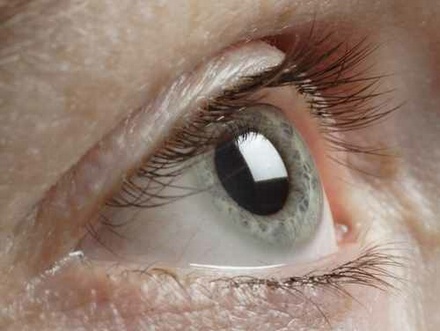
Researchers have discovered 24 new genes that cause refractive errors and myopia, commonly known as short-sightedness. 

Humans have an unclear number of genes - ab initio gene finding and comparative gene finding yield different totals (see the Human Genome Project for details) - but it is likely in the low 20,000s and those genes make nearly as many proteins. The functions of most genes have not been fully determined, but knowing what a particular gene does could obviously help researchers understand disease processes and identify targets for new drugs. 

Media is increasingly filled with miracle vegetable and scare journalism stories, all that say they are based on scientific studies. When faced with a headline that suggests an Alzheimer's drug increases the risk of heart attack or that watching TV is bad for children's mental health, or that pesticides are causing a decline in bee populations, how do people know which can be taken seriously and which are just 'scares'? Checking for peer review is a good first step.  The 'alar scare' over apples in the US, for example, was produced by a shoddy activist group and then promoted by health and science journalists who latched onto the outrageous claim of the week. It would never have passed peer review in a legitimate journal.

RNL BIO CO LTD has announced the filing of an Investigational New Drug (IND) application with the Korean Food and Drug Administration (KFDA) to initiate clinical trials phase II and III assessing the company's RNL-Astrostem(TM) stem cell drug in patients with cerebral palsy.

Cerebral Palsy is caused by non-progressive brain damage from single or multiple defect(s) on the nerve/muscular system and results in disorder in motion and sensory integration. According to Health Insurance Review and Assessment Service, the prevalence of cerebral palsy is 3.5 per 1000 male to 2.8 per 1000 female children, averaged at 3.2 per 1000 children, which is expected to increase due to reduction of premature death.

Maybe it is not just sentimental. Perhaps the connection to "man's best friends" is literally in our heads.

Skull shape is a complex trait, involving multiple genes and their interactions. Thanks to standardized canine breeding, which documents more than 400 breeds worldwide, and their distinct morphological features, researchers can disentangle traits such as skull shape, which is often a breed-defining variation. 

Adding fruits and vegetables to diets may help protect the kidneys of patients with chronic kidney disease (CKD) with too much acid build-up, according to a study appearing in an upcoming issue of the Clinical Journal of the American Society of Nephrology (CJASN). This is good news, since it has also been shown that frequent dialysis poses risks for kidney patients.