Banner
Pilot Study: Fibromyalgia Fatigue Improved By TENS Therapy

Fibromyalgia is the term for a poorly-understood condition where people experience pain and fatigue...

High Meat Consumption Linked To Lower Dementia Risk

Older people who eat large amounts of meat have a lower risk of dementia and cognitive decline...

Long Before The Inca Colonized Peru, Natives Had A Thriving Trade Network

A new DNA analysis reveals that long before the Incan Empire took over Peru, animals were...

Mesolithic People Had Meals With More Tradition Than You Thought

The common imagery of prehistoric people is either rooting through dirt for grubs and picking berries...

User picture.
News StaffRSS Feed of this column.

News Releases From All Over The World, Right To You... Read More »

Blogroll
Having cancer takes a toll on the body but the emotional strains are considerable. The stresses of undergoing treatment, along with the impact it has on relationships with family and friends, can be overwhelming and it's common for people with cancer to need help learning how to cope with the many emotions that emerge after receiving a diagnosis. 

When someone is in the middle of a grueling treatment regimen and still trying to mentally process the fact that they have cancer, it can be hard to feel as if anyone understands what they are going through. Toward that, the National Cancer Institute has created easy-to-understand information about ways to cope with cancer.

Here are some web-based "Coping with Cancer" resources that may be of interest:

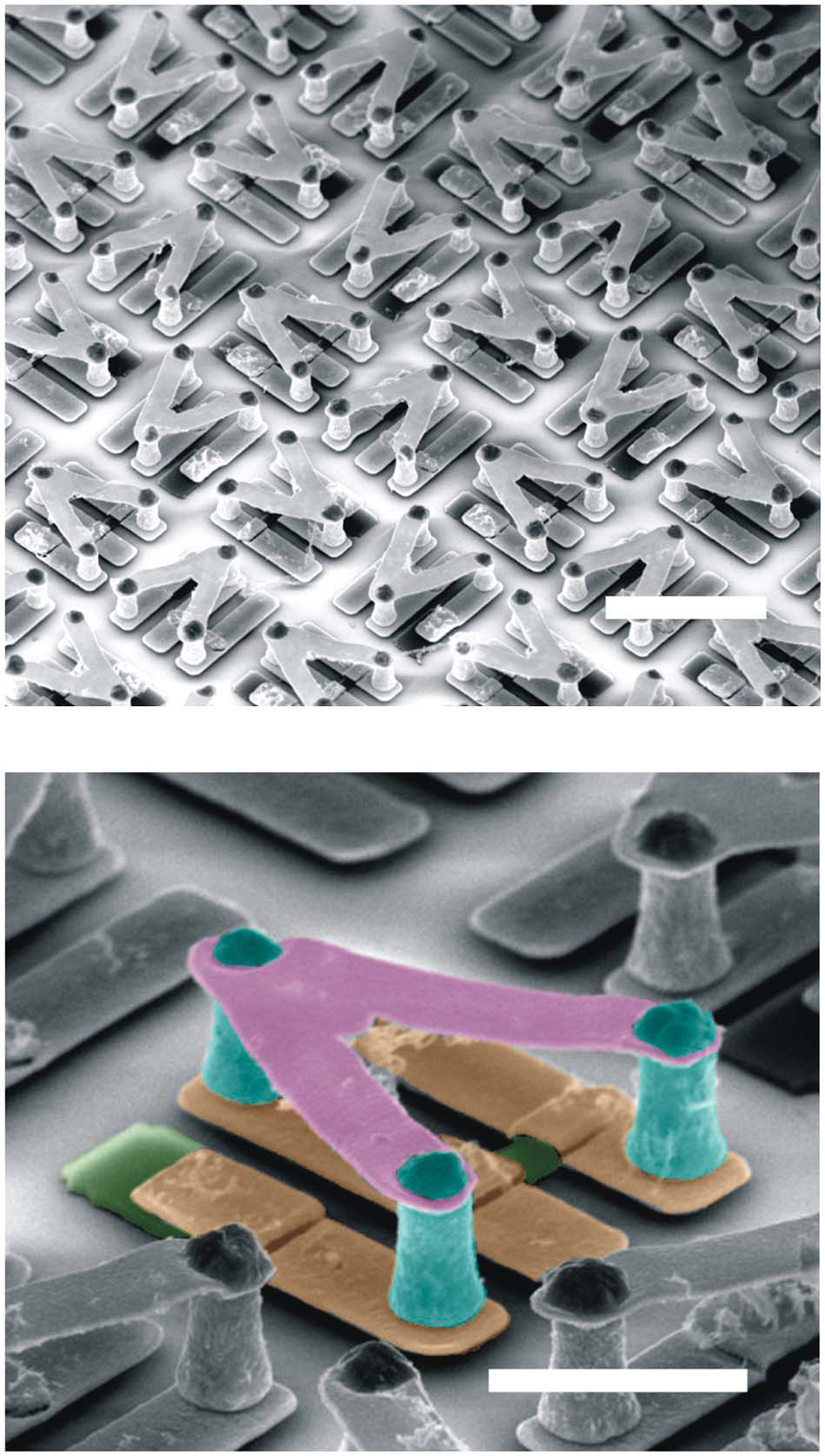
Researchers have created the first artificial molecules whose chirality can be rapidly switched from a right-handed to a left-handed orientation with a beam of light. 

Chirality is the distinct left/right orientation or “handedness” of some types of molecules, meaning the molecule can take one of two mirror image forms. The right-handed and left-handed forms of such molecule are called “enantiomers” and can exhibit strikingly different properties. One enantiomer of the chiral molecule limonene smells of lemon, the other smells of orange. The ability to observe or even switch the chirality of molecules using terahertz (trillion-cycles-per-second) electromagnetic radiation is a much coveted asset in the world of high technology.
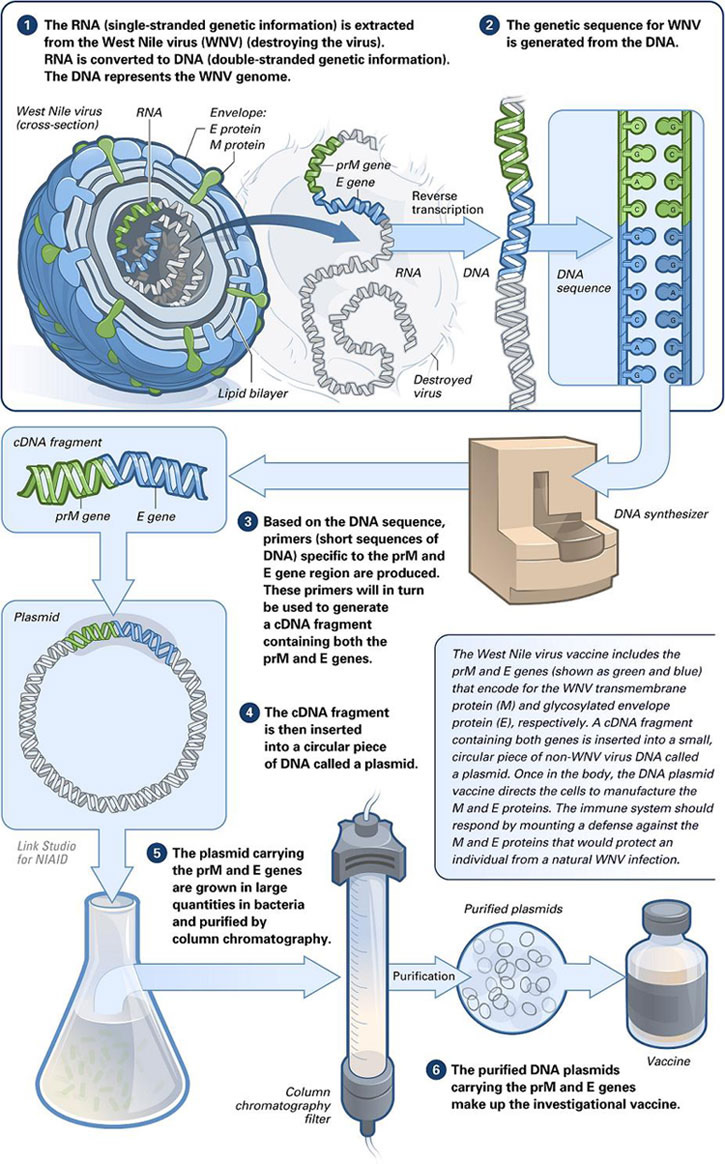
Right now, we protect people and animals against diseases by inoculating them with vaccines based on real infectious agents - but that brings risk of reinfection and the expense of cultivating and handling deadly viruses and bacteria.

The future may mean DNA vaccines, basically cutting out the biological middleman. 
Sulfur has been portrayed as a secondary factor in regulating atmospheric oxygen - carbon gets all the press - but new findings suggest that sulfur’s role may have been underestimated.

As sulfur cycles through the land, the atmosphere and the oceans, it undergoes chemical changes that are often coupled to changes in other such elements as carbon and oxygen. This affects the concentration of free oxygen. 
Methicillin-resistant Staphylococcus aureus (MRSA) infections doubled at U.S. academic medical centers between 2003 and 2008, according to a new report published in Infection Control and Hospital Epidemiology.

MRSA infections, which cannot be treated with antibiotics related to penicillin, have become common since the late 1990s. These infections can affect any part of the body, including the skin, blood stream, joints, bones, and lungs.  The findings run counter to a recent CDC study that found MRSA cases in hospitals were declining. The CDC study looked only at cases of invasive MRSA—infections found in the blood, spinal fluid, or deep tissue. It excluded infections of the skin, which the new study includes.
The horns of creatures as different as elk and rhinoceros beetles - along with other decorative, mate-attracting structures -  are sensitive to changes in nutrition. They aren’t diabetic, but they are insulin-dependent; if they want to grow big horns and therefore attract mates.