Banner
Pilot Study: Fibromyalgia Fatigue Improved By TENS Therapy

Fibromyalgia is the term for a poorly-understood condition where people experience pain and fatigue...

High Meat Consumption Linked To Lower Dementia Risk

Older people who eat large amounts of meat have a lower risk of dementia and cognitive decline...

Long Before The Inca Colonized Peru, Natives Had A Thriving Trade Network

A new DNA analysis reveals that long before the Incan Empire took over Peru, animals were...

Mesolithic People Had Meals With More Tradition Than You Thought

The common imagery of prehistoric people is either rooting through dirt for grubs and picking berries...

User picture.
News StaffRSS Feed of this column.

News Releases From All Over The World, Right To You... Read More »

Blogroll
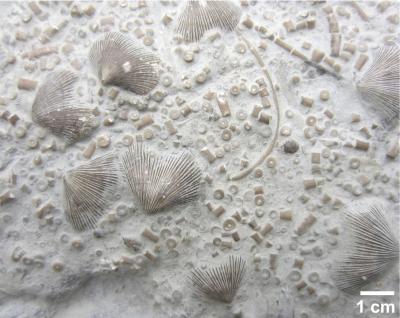
The second-largest mass extinction in Earth's history, the so-called Late Ordovician mass extinction, coincided with a short but intense ice age during which enormous glaciers grew and sea levels dropped.

The Late Ordovician mass extinction occurred about 450 million years ago and was related to climate change, that has been known, but exactly how the climate change produced the extinction has not. A team led by scientists at the California Institute of Technology (Caltech) has created a framework for weighing the factors that might have led to mass extinction and has used that framework to determine that the majority of extinctions were caused by habitat loss due to falling sea levels and cooling of the tropical oceans.
In a development that would be bad for the U.S. Department of Energy but good for solar power worldwide, a new process developed by scientists at the University of Cambridge has the potential to drive down the cost of manufacturing solar-grade silicon and boost use of photovoltaic devices.
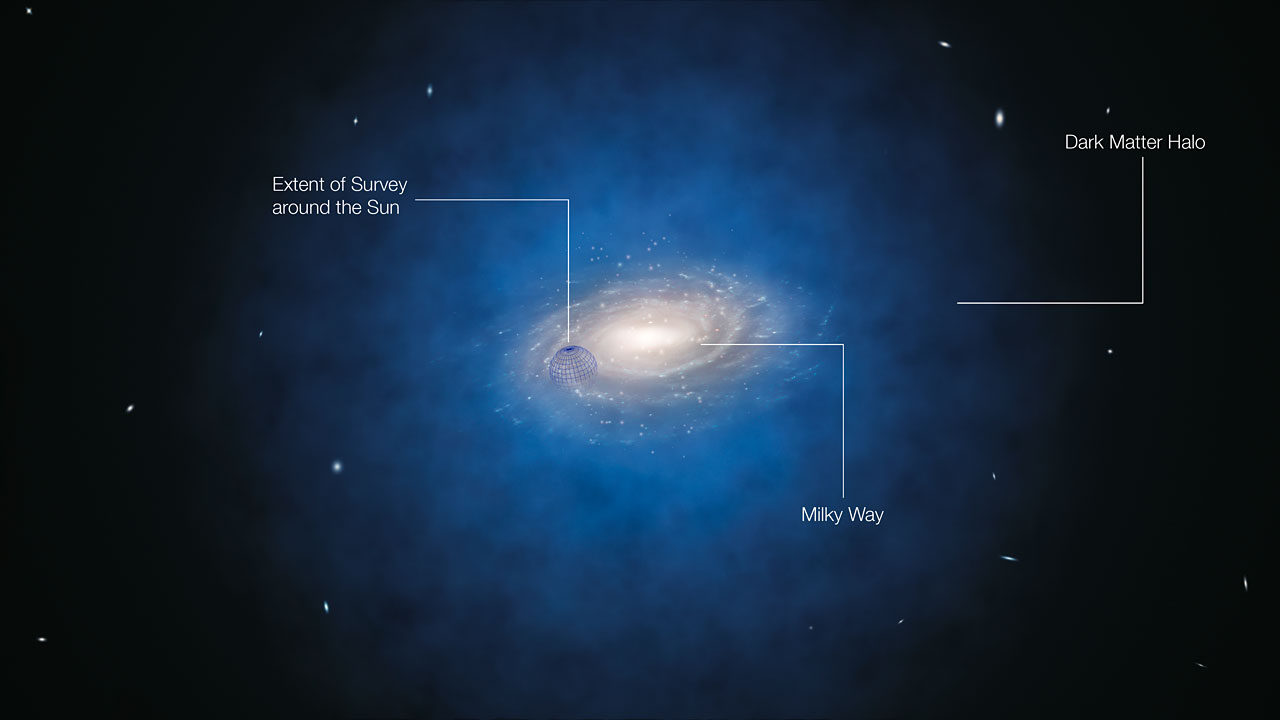
Widely accepted theories of dark matter,  a mysterious invisible substance that can only be detected indirectly by the gravitational force it exerts, expect the solar neighborhood to be filled with the stuff - but it isn't, at least as far as can be detected.

Don't get too excited but 200 activists are going to jump off Mt. Kilimanjaro in Tanzania.

These aren't the usual pesky environmentalists, these are hang-gliding global activists, which really sounds like just an excuse to go hang-gliding but get permits to do it in cool places but it's still going to raise money for a worthy cause.

Billions of stars in our galaxy have acquired released planets that once roamed interstellar space. Those free agent worlds left the star systems in which they formed, and found a new home with a different sun.

If it sounds a lot like baseball, that's because it is, said Hagai Perets of the Harvard-Smithsonian Center for Astrophysics, making the most incongruent cosmological metaphor of April 17th, 2012.
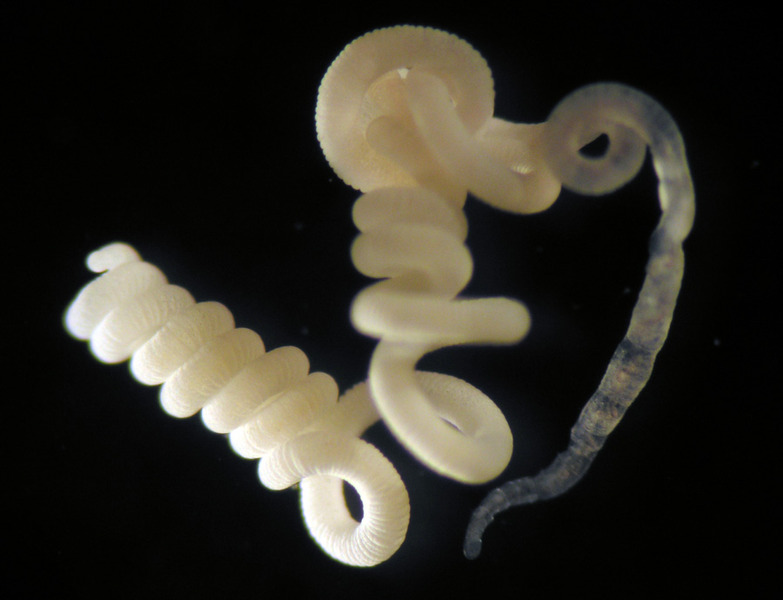
A small marine worm, Olavius algarvensis, is faced with a scarce food supply in the sandy sediments it lives in off the coast of Elba, so it must deal with a highly poisonous menu: it lives on carbon monoxide and hydrogen sulfide.

O. algarvensis can thrive on these poisons thanks to millions of symbiotic bacteria that live under its skin. The bacteria use the energy from carbon monoxide and hydrogen sulphide to produce food for the worm, just like plants do by fixing carbon dioxide into carbohydrates - but instead of using light energy from the sun, the symbionts use the energy from chemical compounds like carbon monoxide.