Banner
Pilot Study: Fibromyalgia Fatigue Improved By TENS Therapy

Fibromyalgia is the term for a poorly-understood condition where people experience pain and fatigue...

High Meat Consumption Linked To Lower Dementia Risk

Older people who eat large amounts of meat have a lower risk of dementia and cognitive decline...

Long Before The Inca Colonized Peru, Natives Had A Thriving Trade Network

A new DNA analysis reveals that long before the Incan Empire took over Peru, animals were...

Mesolithic People Had Meals With More Tradition Than You Thought

The common imagery of prehistoric people is either rooting through dirt for grubs and picking berries...

User picture.
News StaffRSS Feed of this column.

News Releases From All Over The World, Right To You... Read More »

Blogroll
Scientists at the Smithsonian and partnering organizations have discovered a remarkably primitive eel they have named Protoanguilla palau in a fringing reef off the coast of the Republic of Palau.

This fish exhibits many primitive anatomical features unknown in the other 19 families and more than 800 species of living eels, resulting in its classification as a new species belonging to a new genus and family. 
Usually when you think of drugs, you think of mules, but camels have also unique properties, except those can be used in future drug development.

Members of the camelid family have particular heavy-chain antibodies in their blood known as nanobodies that may serve as therapeutic proteins. One of the most powerful advantages of nanobodies is that they can be easily attached to other proteins and nanoparticles by simple chemical procedures. 

Scientists at the Department of Pharmaceutics and Analytical Chemistry, University of Copenhagen, have designed nanoparticle systems of smaller than 150nm that are decorated with nanobodies expressing high specificity for the cancer marker Mucin-1, which is connected to breast and colon cancer.

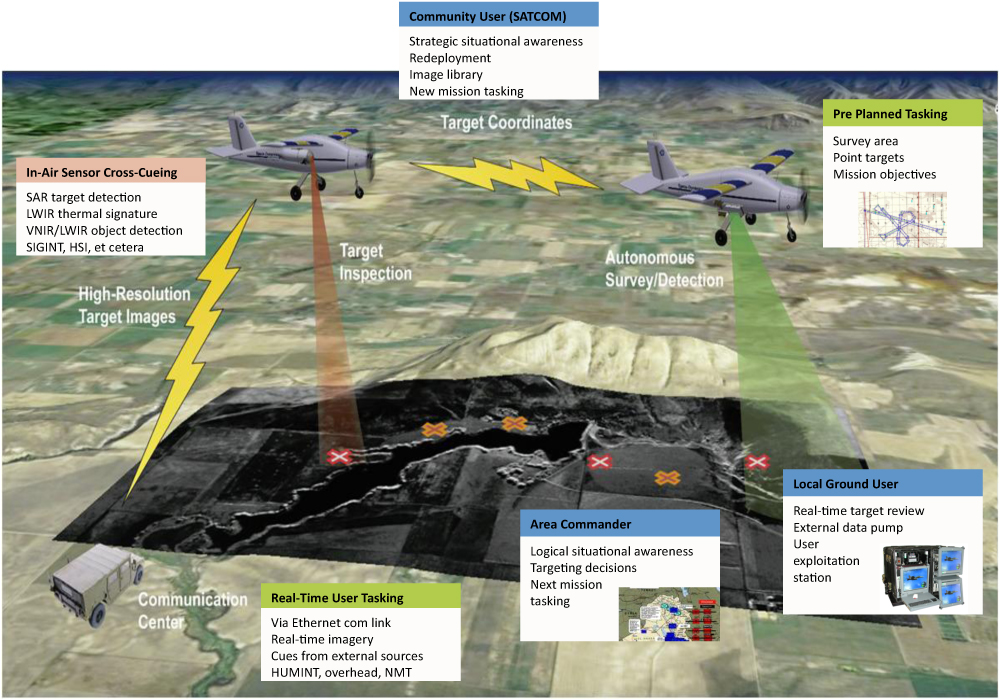
In the modern world, even residents of London generate more intelligence, surveillance and reconnaissance (ISR) data than human operators can collate and that can severely limit the ability of an analyst to generate intelligence reports in operationally relevant time frames, like when ambassadors and looters are rioting and claiming it is for social justice.

Naval Research Laboratory may have the answer - a multi-user tracking capability which enables the system to manage collection of imagery without continuous monitoring by a ground or airborne operator, thus requiring fewer personnel and freeing up operational assets.
Here's a trivia question; what's the longest alliance in history?

Unless you went by the title, you were probably stumped.  Maybe you believe it is England and Portugal at 638 years.   You were unlikely to guess Scotland and France but a University of Manchester historian says she has uncovered evidence which shows a defensive alliance  between Scotland and France (against the English, naturally) might never have formally ended – potentially making it the longest in history.

In a paper to be published next year, Dr. Siobhan Talbott argues the Franco-Scottish Auld Alliance of 1295 survived numerous wars between Britain and France, even after the Act of Union was signed in 1707. Trade, she says, is a major reason for its longevity.

Weakened immunity is a serious issue for older people. Because our immune systems become less effective as we age we suffer from more infections and these are often more severe. This is an important process that has probably evolved to prevent certain cancers, but as the proportion of inactive cells builds up over time our defenses become weakened. This takes a serious toll on health and quality of life. 

Research in the Journal of Immunology outlines a new mechanism controlling aging in white blood cells. The research opens up the possibility of temporarily reversing the effects of aging on immunity and could, in the future, allow for the short-term boosting of the immune systems of older people. 

Why did adult human cardiac myocytes, specialized muscle cells in the heart,  lose the ability found in newts and salamanders to proliferate, perhaps explaining why the human heart has little regenerative capacity?
 
A study using cell lines and mice may lead to methods of reprogramming a patient's own cardiac myocytes within the heart itself to create new muscle to repair damage, said Dr.