Scientists at the universities in Tübingen and Mainz say they have developed a blood test that can provide conclusive proof of gene doping - even after 56 days.
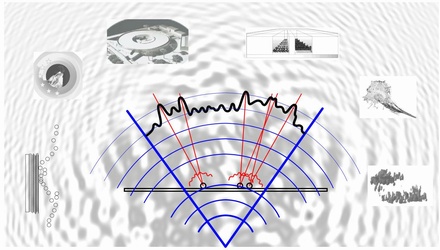
To date, it has been impossible to prove that an athlete had undergone gene doping but they say the new test provides a clear answer based on whether or not transgenic DNA is present in blood samples. Transgenic DNA (tDNA) does not stem from the person being tested but has been transferred into their body, often via viruses, in order to create performance-enhancing substances such as erythropoetin (EPO) for forming red blood cells.
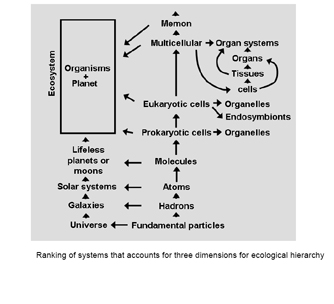
Darwin’s Theory of Evolution describes the survival of the fitter, the best adapted organisms, but biologist Gerard Jagers op Akkerhuis says it does not pay enough attention to the succession of living things during evolution and so has developed what he calls the ‘operator hierarchy’, a system based on the complexity of particles and of organisms, which can predict the next step in evolution: a technical life form, that can pass on its knowledge and experience to the next generation.
Phosphorus is a critical ingredient in fertilizers, pesticides, detergents and various industrial and household chemicals but once phosphorus is mined from rocks, getting it into products is hazardous and expensive, so chemists have been trying to streamline the process for decades.
While the public has a great respect for scientists, they don't trust scientists, at least when it comes to issues that also overlap with politics, like the environment.
When it comes to policy-related topics, scientists have a limited effect on the public, perhaps not because people are stupid but because some in science have moved away from being trusted guides and into being advocates, which damages the credibility of science overall. And once those beliefs are locked in, they are difficult to change.
So while oil drilling is safe, scientists who say so now will go unheard because some in science have gone out of their way to say it isn't due to a cultural agenda.
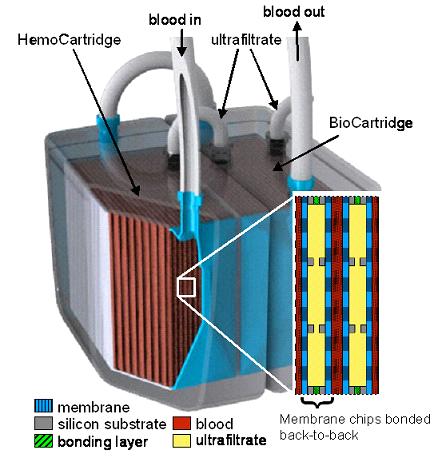
End-stage renal disease, or chronic kidney failure, affects more than 500,000 people per year in the United States alone and is only fully treated with a kidney transplant.
Yet there were only 17,000 donated kidneys for transplants last year and the number of patients on the transplant waiting list currently exceeds 85,000, according to the Organ Procurement and Transplant Network.
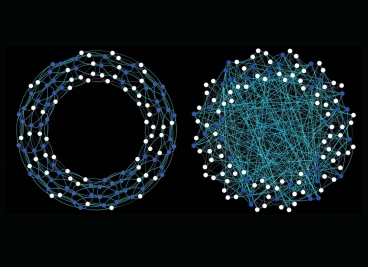
Do social networks which features many distant connections, or "long ties," produce large-scale changes most quickly, as social media lore claims? No, says a new study by Damon Centola, assistant professor at the MIT Sloan School of Management. Instead, individuals are more likely to acquire new health practices while living in networks with dense clusters of connections — that is, when in close contact with people they already know well.


 Pilot Study: Fibromyalgia Fatigue Improved By TENS Therapy
 High Meat Consumption Linked To Lower Dementia Risk
 Long Before The Inca Colonized Peru, Natives Had A Thriving Trade Network
 Mesolithic People Had Meals With More Tradition Than You Thought