Cambridge University researchers have discovered that whether someone is a 'people-person' may depend on the structure of their brain: the greater the concentration of brain tissue in certain parts of the brain, the more likely they are to be a warm, sentimental person. Interestingly, the orbitofrontal cortex and ventral striatum have previously been shown to be important for the brain's processing of much simpler rewards like sweet tastes or sexual stimuli.
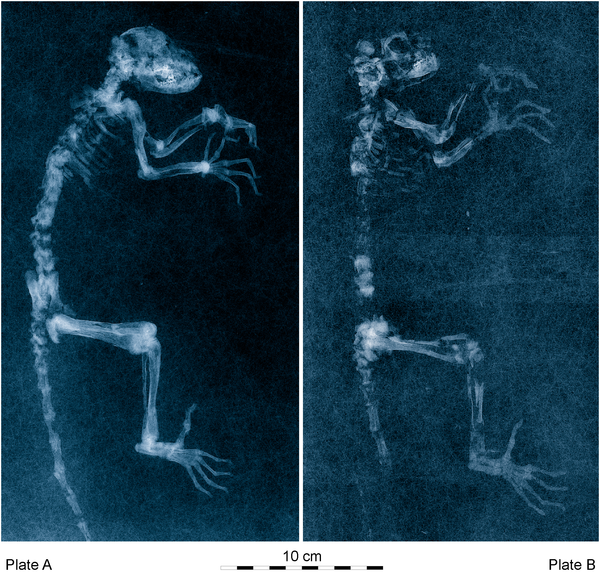
It's always best not to go overboard but the discovery of Darwinius masillae is pretty darn exciting, because it represents the most complete fossil primate ever found; the skeleton, soft body outline and even the stomach contents. It is phylogenetically terrific. Or not. In any new claim like this, there will be doubts.
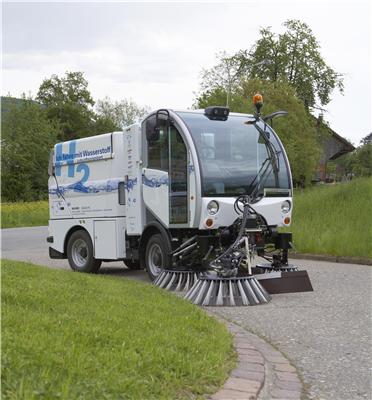
Empa and the Paul Scherrer Institute (PSI) have, together with Bucher Schoerling, Proton Motor, BRUSA Elektronik AG und Messer Schweiz, developed a hydrogen powered municipal street cleaning vehicle which was presented to the public last week in Basel. The vehicle is named the "Bucher CityCat H2" and is the first municipal utility vehicle in the world powered by fuel cell technology. For the next 18 months it will be tested in everyday usage.
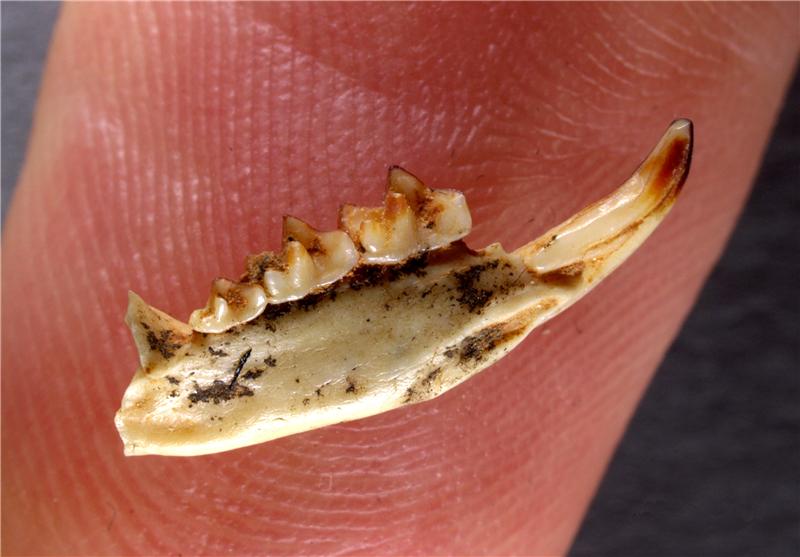
Morphometric and phylogenetic analyses of the fossilised remains of the jaws and teeth of a shrew discovered in a deposit in Gran Dolina de Atapuerca, in Burgos, a city of northern Spain at the edge of the central plateau, have shown this to be a new species (Dolinasorex glyphodon) that has not previously been described. The extinct animal had red teeth, was large in size compared with mammals of the same family, and was more closely related to Asian than European shrews.
Neanderthals/neandertals, popularly regarded as the 'stupid' cousins of modern humans, were actually capable of capturing the most impressive animals - and that takes some sense. Dutch researcher Gerrit Dusseldorp analyzed their daily forays for food to gain insights into the complex behavior of the Neanderthal. His analysis revealed that the hunting was very knowledge intensive.
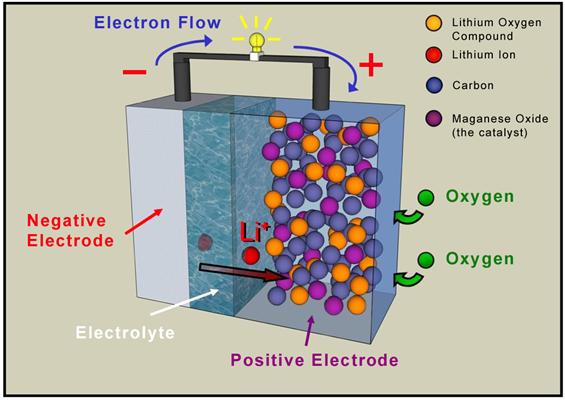
A new type of air-fuelled battery called the STAIR (St Andrews Air) cell could give up to ten times the energy storage of designs currently available, meaning a new generation of batteries for electric cars, mobile phones and laptops.
The new design has the potential to improve the performance of portable electronic products and give a major boost to the renewable energy industry. The batteries will enable a constant electrical output from sources such as wind or solar, which stop generating when the weather changes or night falls.


 Pilot Study: Fibromyalgia Fatigue Improved By TENS Therapy
 High Meat Consumption Linked To Lower Dementia Risk
 Long Before The Inca Colonized Peru, Natives Had A Thriving Trade Network
 Mesolithic People Had Meals With More Tradition Than You Thought