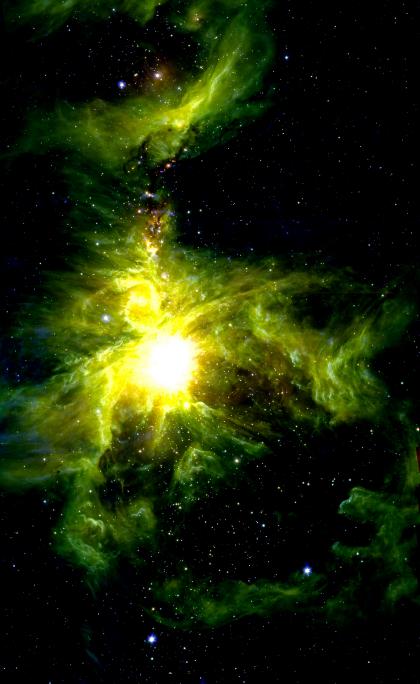
Astronomers using the United Kingdom Infrared Telescope (UKIRT) in Hawaii, the IRAM Millimetre-wave Telescope in Spain, and the Spitzer Space Telescope in orbit above the Earth, have completed the most wide-ranging census ever produced of dynamical star formation in and around the well-known Great Nebula of Orion.
They have found this stellar nursery to be a lively and somewhat overcrowded place, with young stars emitting gas jets in all directions, creating quite a chaotic picture and demonstrating there is much more going on in Orion than previously thought. Researchers including UKIRT Director Professor Gary Davis will present this and other UKIRT science results on Monday 20th April at the European Week of Astronomy and Space Science at the University of Hertfordshire.
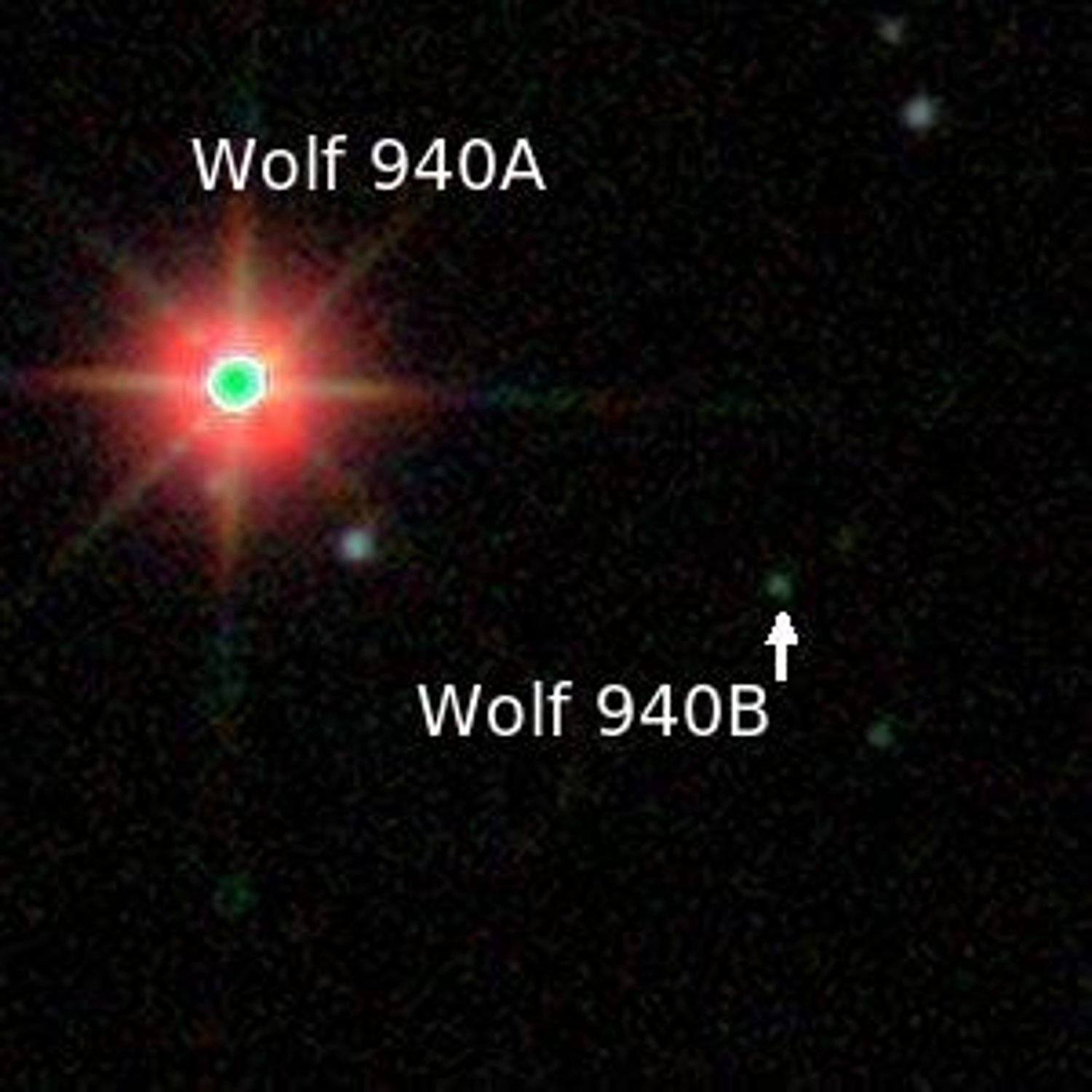
An international team have discovered one of the coolest sub-stellar bodies ever found outside our own solar system, orbiting the red dwarf star Wolf 940, some 40 light years from Earth.
The object is thought to have formed like a star, but has ended up looking more like Jupiter. It is roughly the same size, despite being between 20 and 30 times as heavy, and when the infrared spectral "fingerprints" of the two objects are compared, their resemblance is striking.
The new object orbits its star at about 440 times the distance at which the Earth orbits the sun. At such a wide distance, it takes about 18,000 years to complete a single orbit.
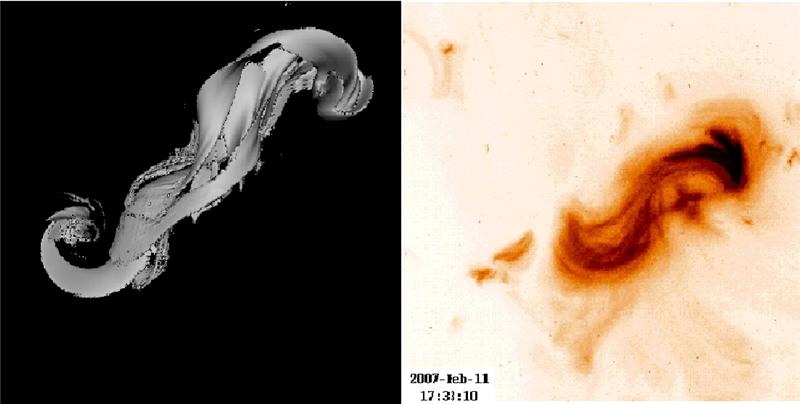
'Sigmoids' are S-shaped structures found in the outer atmosphere of the Sun (the corona), seen with X-ray telescopes and thought to be a crucial part of explosive events like solar flares. Now a group of astronomers have developed the first model to reproduce and explain the nature of the different stages of a sigmoid’s life.
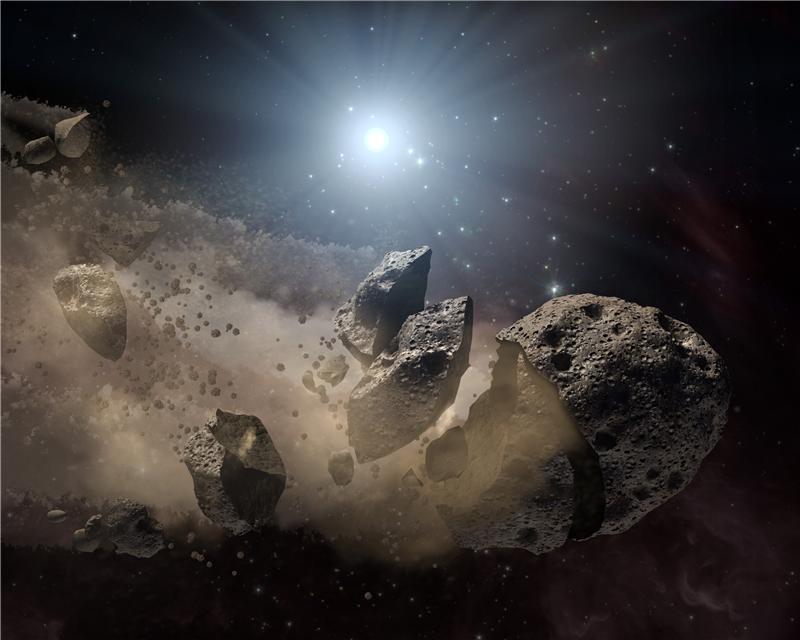
Using NASA’s Spitzer Space Telescope, an international team of astronomers have found that at least 1 in 100 white dwarf stars show evidence of orbiting asteroids and rocky planets, suggesting these objects once hosted Solar Systems similar to our own. Team member Dr Jay Farihi of the University of Leicester will present this discovery on Monday 20th April at the European Week of Astronomy and Space Science conference at the University of Hertfordshire.
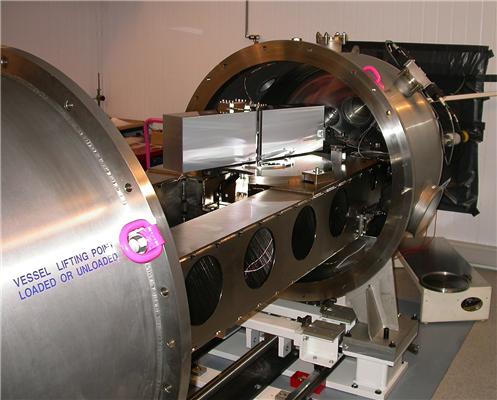
Astronomers have announced plans to build an ultra-stable, high-precision spectrograph for the Science and Technology Facilities Council's 4.2-m William Herschel Telescope (WHT - part of the Isaac Newton Group or ING on La Palma) in an effort to discover habitable Earth-like planets around other stars. Dr Ian Skillen of the ING will present the new High Accuracy Radial-velocity Planet Search – New Earths Facility (HARPS-NEF) spectrograph in a poster on Monday 20th April at the European Week of Astronomy and Space Science conference at the University of Hertfordshire.
Cancer patients can survive longer under treatments based on their individual genetic profiles, according to a nationwide study released jointly today by Phoenix-area healthcare organizations. The study says that molecular profiling of patients can identify specific treatments for individuals, helping keep their cancer in check for significantly longer periods, and in some cases even shrinking tumors.
Study results were released today at the 100th annual meeting of the American Association for Cancer Research in Denver by Dr. Daniel Von Hoff, Physician-In-Chief of the Phoenix-based Translational Genomics Research Institute (TGen), and the study's Principal Investigator.


 Pilot Study: Fibromyalgia Fatigue Improved By TENS Therapy
 High Meat Consumption Linked To Lower Dementia Risk
 Long Before The Inca Colonized Peru, Natives Had A Thriving Trade Network
 Mesolithic People Had Meals With More Tradition Than You Thought