Scientists have found an ancient ecosystem below an Antarctic glacier and learned that it survived millions of years by transforming sulfur and iron compounds for growth.
New research provides insight into how the brain can execute different actions in response to the same stimulus. The study, published by Cell Press in the April 16 issue of the journal Neuron, suggests that information from single brain cells cannot be interpreted differently within a short time period, a finding that is important for understanding both normal cognition and psychiatric disorders.
If we're going to get a $300 genome sequence any time in the near future, around the cost it will take to have it as part of routine medical care, the process has to get faster.
The obstacles to reaching that goal have been primarily technological: Scientists have struggled to figure out how to accurately read the 3 billion base pairs - the amount of DNA found in humans and other mammals - using current time-consuming and inefficient methods.
Genetic differences can influence one's risk of developing proteinuria, a condition that increases the risk of cardiovascular disease and chronic kidney disease (CKD), according to a study appearing in an upcoming issue of the Journal of the American Society of Nephrology (JASN). The results may be important for determining patients' health risks and for devising new medical treatments.
Approximately 12% of people in the United States have proteinuria (abnormal levels of protein lost in the urine), and African Americans and American Indians have higher risks of developing the condition than other groups. Researchers suspect that genetic variation likely accounts for part of their increased risks.
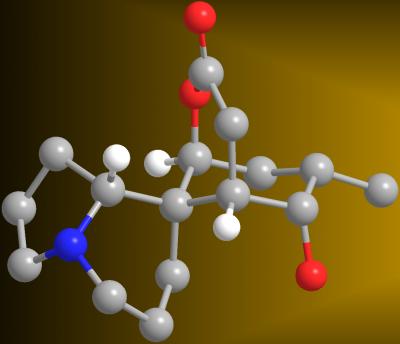
The club moss Lycopodium serratum is a creeping, flowerless plant purportedly used to treat a wide variety of ailments. It contains a brew of alkaloids that have attracted scientific and medical interest because of the use of the moss in homeopathy. However, the plant makes many of these compounds in extremely low amounts, hindering efforts to test their therapeutic value.
That is no longer a problem for what is arguably the most complex of these alkaloids, a compound called Serratezomine A: an alkaloid that could have anti-cancer properties and may combat memory loss. A team of synthetic chemists at Vanderbilt University reported in the Journal of the American Chemical Society that they have created an efficient way to make this molecule from scratch.
Today, five years after the inception of the DECIPHER database, researchers have published a report that reveals the developing role of the database in revolutionizing both clinical practice and genetic research.
The report explores the growing benefits of DECIPHER for researchers, clinicians and patients - highlighting how the data, provided by around 100 centres and shared openly worldwide, can benefit all three groups.


 Pilot Study: Fibromyalgia Fatigue Improved By TENS Therapy
 High Meat Consumption Linked To Lower Dementia Risk
 Long Before The Inca Colonized Peru, Natives Had A Thriving Trade Network
 Mesolithic People Had Meals With More Tradition Than You Thought