

Banner
Synchrotron Could Shed Light On Exotic Dark Photons

There are many hypothetical particles proposed to explain dark matter and one idea to explore how...

The Pain Scale Is Broken But This May Fix It

Chronic pain is reported by over 20 percent of the global population but there is no scientific...
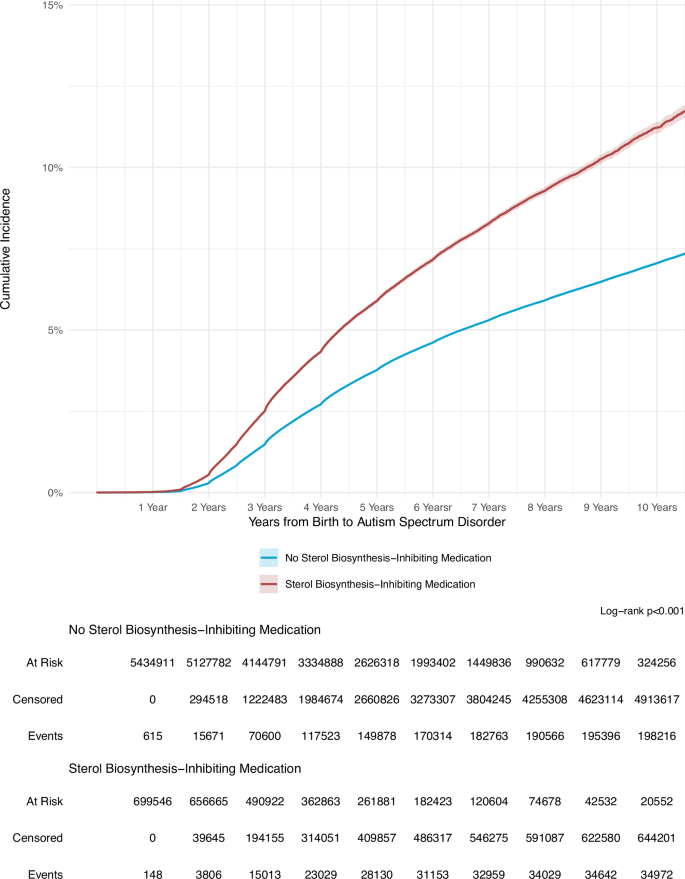
Study Links Antidepressants, Beta-blockers and Statins To Increased Autism Risk

An analysis of 6.14 million maternal-child health records  has linked prescription medications...

Pilot Study: Fibromyalgia Fatigue Improved By TENS Therapy

Fibromyalgia is the term for a poorly-understood condition where people experience pain and fatigue...

User picture.
News StaffRSS Feed of this column.

News Releases From All Over The World, Right To You... Read More »

Blogroll

Smoking high potency 'skunk-like' cannabis can damage a crucial part of the brain responsible for communication between the two brain hemispheres, according to a new study.

Researchers have known for some time that long-term cannabis use increases the risk of psychosis and recent evidence suggests that alterations in brain function and structure may be responsible for this greater vulnerability. 

Two new studies report dramatic changes in phytoplankton abundance and nature, changes that have important implications for storing excess carbon. Collectively, these studies suggest that certain types of carbon-intensive algae are flourishing and will play increasingly prominent roles as carbon pumps, removing carbon dioxide from the atmosphere. Using the isotopic signature of phytoplankton amino acids embedded in skeletons of deep water soft corals, Kelton McMahon and colleagues determined how plankton dominance changed in the North Pacific over the past millennium. Their analysis reveals that there was a transition from dominance by non-nitrogen-fixing cyanobacteria to that by eukaryotic microalgae.

Cognitive behavioural therapy could help many people with a dental phobia overcome their fear of visiting the dentist and enable them to receive dental treatment without the need to be sedated, according to a new study by King's College London.

Anxiety about visiting the dentist is common and becomes a phobia when it has a marked impact on someone's well-being; people with dental phobias typically avoid going to the dentist and end up experiencing more dental pain, poorer oral health and a detrimental effect on their quality of life. Estimates from the most recent Adult Dental Health Survey in the UK suggest around one in ten people suffers from dental phobia.

A James Cook University scientist says a new study shows more than half of all tree species in the world's most diverse forest -- the Amazon -- may be globally threatened.

Long-time Amazon researcher, Professor William Laurance from JCU, is a co-author of the study, published this week in the journal Science Advances.

It compared data from forest surveys across the Amazon with maps of current and projected deforestation to estimate how many tree species have been lost, and where.

Professor Laurance said the study suggests existing Amazonian parks and reserves, if properly managed, could protect many of the threatened species. But it was not a forgone conclusion.

For a beholder who is an evolutionary biologist, the eye is has long been a fascinating puzzle because of the many parts that must seamlessly work together for the whole to work properly. Biologists have addressed the question of ocular evolution with comparisons between different species, or macroevolutionary studies, and shown how the evolutionary process can be broken down into discrete steps through which a simple light-sensitive cell can evolve into a complex, multicomponent eye through adaptation.

A new study reveals that many European hospitals fail to routinely test people who may be at risk of an HIV-infection. If tests were more widely offered in the healthcare system, fewer HIV-patients would go unnoticed, especially in Northern Europe.

When a patient is admitted to hospital with a disease that could indicate an HIV-infection, they are not always offered an HIV-test. However, if offered a test, almost all patients accept, as revealed in the currently largest study on the subject, which has just now been published in the renowned scientific journal, PlosOne.


