

Banner
Synchrotron Could Shed Light On Exotic Dark Photons

There are many hypothetical particles proposed to explain dark matter and one idea to explore how...

The Pain Scale Is Broken But This May Fix It

Chronic pain is reported by over 20 percent of the global population but there is no scientific...
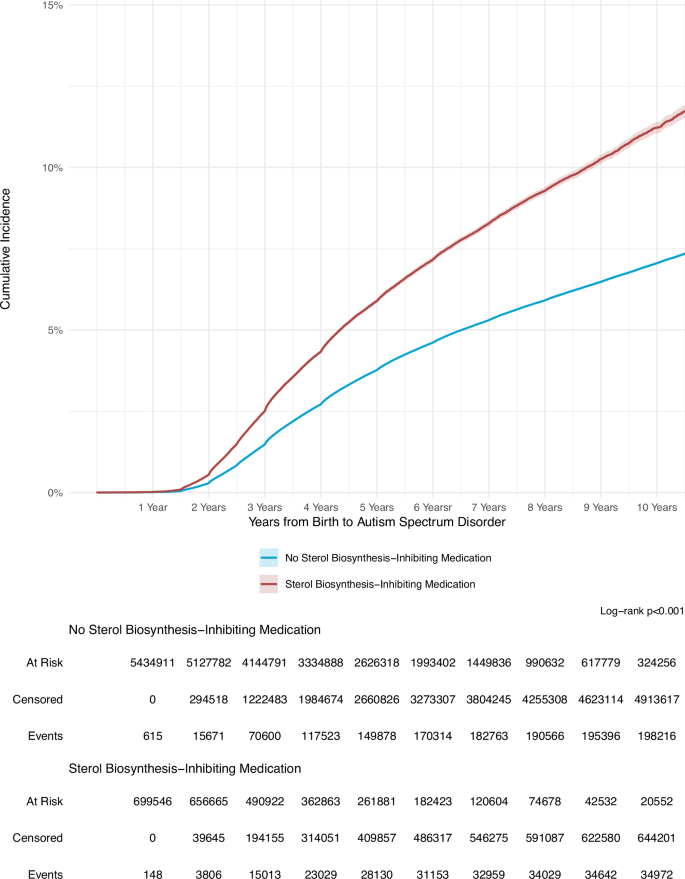
Study Links Antidepressants, Beta-blockers and Statins To Increased Autism Risk

An analysis of 6.14 million maternal-child health records  has linked prescription medications...

Pilot Study: Fibromyalgia Fatigue Improved By TENS Therapy

Fibromyalgia is the term for a poorly-understood condition where people experience pain and fatigue...

User picture.
News StaffRSS Feed of this column.

News Releases From All Over The World, Right To You... Read More »

Blogroll

  • Fastest pigeons tend to become flock leaders

  • Leaders learn navigation skills more effectively than followers

    Many birds travel in flocks, sometimes migrating over thousands of miles. But how do the birds decide who will lead the way? Researchers at Oxford University, reporting in the journal Current Biology, can offer new insight based on studies in homing pigeons. For pigeons, it seems, leadership is largely a question of speed.

    'This changes our understanding of how the flocks are structured and why flocks of this species have consistent leadership hierarchies,' says co-author Dr Dora Biro of the Department of Zoology at Oxford.

  • As you're driving to work along a busy road, your eyes on the traffic lights ahead, hoping they won't turn to red, you pass signs warning of roadworks, ads on bus shelters... Suddenly a dog runs out in front of you. What are your chances of seeing it before it's too late?

    Even with 20/20 vision in broad daylight on a clear day, our peripheral vision can be surprisingly poor, particularly when the scene in front of us is cluttered. Now, scientists at the University of Cambridge, UK, Northeastern University, Boston, USA, and Queensland Brain Institute, Brisbane, Australia, believe they are a step closer to understanding why this is.

    Health services in many countries increasingly rely on prescribed 'psychosocial interventions': treatments that use counselling techniques to tackle mental health issues, behavioural problems such as substance abuse, and assist parents with new or troubled children.

    These highly-regarded therapeutic and educational programmes, devised by senior academics and practitioners, are sold commercially to public health services across the world on the basis that they are effective interventions for people in need of support - with the evidence to back them up.

    As doctors in England prepare for strike action next month, researchers at Harvard Medical School and Brigham and Women's Hospital (Boston, USA) show that, in high-income countries, "patients do not come to serious harm during industrial action provided that provisions are made for emergency care."

    In The BMJ today, David Metcalfe and colleagues report that death rates remained the same, or decreased, during all previous doctor strikes that have been studied in developed countries. They say that strikes can therefore be organised in such a way that patient safety is not compromised.

    The right to strike is recognised as a fundamental human right by the United Nations, the Council of Europe, and the European Union, they explain.

    The widespread misuse of skin creams and lotions that contain steroids in India is harmful and out of control, argues an expert in The BMJ this week.

    Corticosteroids, also known as steroids, are anti-inflammatory medicines used for a range of conditions. However, these can lead to substantial and permanent damage, especially on thin skin, such as on the face and groin.

    Side effects include pigmentation and breakdown of the skin, small and widened blood vessels on the skin, as well as bacterial and fungal infections. Misuse can lead to resistance of infections that can make these difficult to diagnose and treat.

    A new study from the University of Exeter has found that teaching is not essential for people to learn to make effective tools. The results counter established views about how human tools and technologies come to improve from generation to generation and point to an explanation for the extraordinary success of humans as a species. The study reveals that although teaching is useful, it is not essential for cultural progress because people can use reasoning and reverse engineering of existing items to work out how to make tools.

