

Banner
Synchrotron Could Shed Light On Exotic Dark Photons

There are many hypothetical particles proposed to explain dark matter and one idea to explore how...

The Pain Scale Is Broken But This May Fix It

Chronic pain is reported by over 20 percent of the global population but there is no scientific...
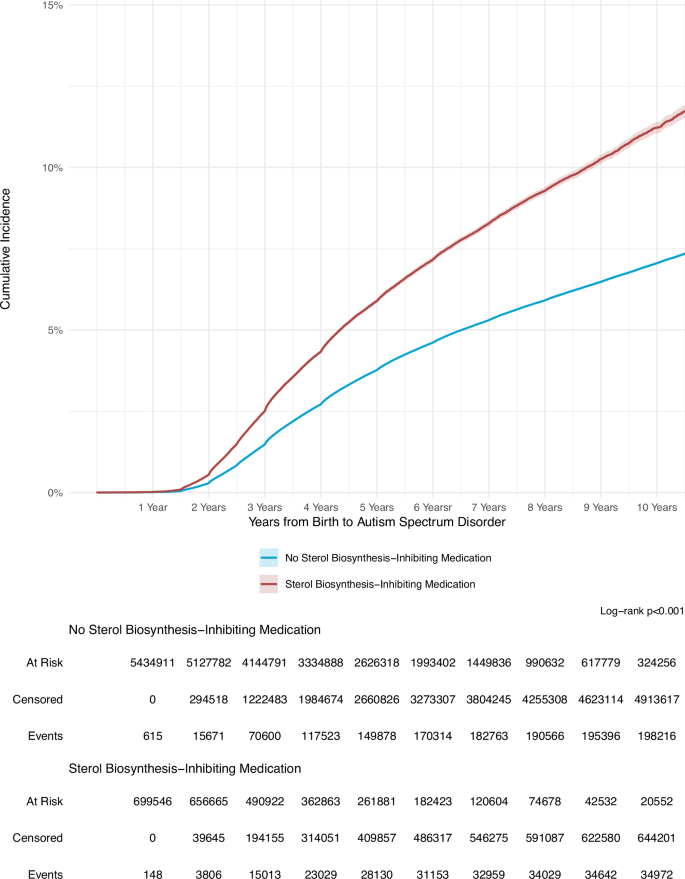
Study Links Antidepressants, Beta-blockers and Statins To Increased Autism Risk

An analysis of 6.14 million maternal-child health records  has linked prescription medications...

Pilot Study: Fibromyalgia Fatigue Improved By TENS Therapy

Fibromyalgia is the term for a poorly-understood condition where people experience pain and fatigue...

User picture.
News StaffRSS Feed of this column.

News Releases From All Over The World, Right To You... Read More »

Blogroll

NEW YORK NY (November 18, 2015)--Most people probably think that we perceive the five basic tastes--sweet, sour, salty, bitter and umami (savory)--with our tongue, which then sends signals to our brain "telling" us what we've tasted. However, scientists have turned this idea on its head, demonstrating in mice the ability to change the way something tastes by manipulating groups of cells in the brain.

The findings were published today in the online edition of Nature.

University of Washington engineers have developed a novel technology that uses a Wi-Fi router -- a source of ubiquitous but untapped energy in indoor environments -- to power devices.

The Power Over Wi-Fi (PoWiFi) system is one of the most innovative and game-changing technologies of the year, according to Popular Science, which included it in the magazine's annual "Best of What's New" awards announced Wednesday.

The technology attracted attention earlier this year when researchers published an online paper showing how they harvested energy from Wi-Fi signals to power a simple temperature sensor, a low-resolution grayscale camera and a charger for a Jawbone activity tracking bracelet.

A popular Buddhist meditation technique that's intended to create feelings of kindness can also reduce prejudice, according to a new psychology paper.

The work in Motivation and Emotion says that just seven minutes of Loving-kindness meditation (LKM), a Buddhist practice that promotes unconditional kindness towards oneself and others, is effective at reducing racial bias. Look for that to be on The Dr. Oz Show real soon.

Humans have the best of all possible visual worlds because our full stereo vision combines with primitive visual pathways to quickly spot danger, a study led by the University of Sydney has discovered.

The surprising finding published today in Current Biology shows that in humans and other primates, information from the eyes is not only sent to the visual cortex for the complex processing that allows stereoscopic vision, but also could feed directly into deep brain circuits for attention and emotion.

New research from the Department of Developmental Neurobiology at the Institute of Psychiatry, Psychology & Neuroscience, King's College London, sheds light into the role of layers in the brain. The study, published today in Neuron, shows that the formation of layers speeds the development of neuronal circuits although, surprisingly, it is not crucial for the establishment of functional and cell-type specific connections.

The concentration of the euphoriant THC in cannabis has tripled in the space of twenty years. The reason may be a systematic processing of the cannabis plants, some of which are being grown in skunk farms in Denmark.

Cannabis being sold on the street in Denmark is stronger than previously measured. This is shown by analyses carried out by the three forensic chemistry departments in Denmark and processed by the Department of Forensic Medicine at Aarhus University. The levels are published in the Danish Health and Medicines Authority's annual narcotics report on 18 November.


