

Banner
Synchrotron Could Shed Light On Exotic Dark Photons

There are many hypothetical particles proposed to explain dark matter and one idea to explore how...

The Pain Scale Is Broken But This May Fix It

Chronic pain is reported by over 20 percent of the global population but there is no scientific...
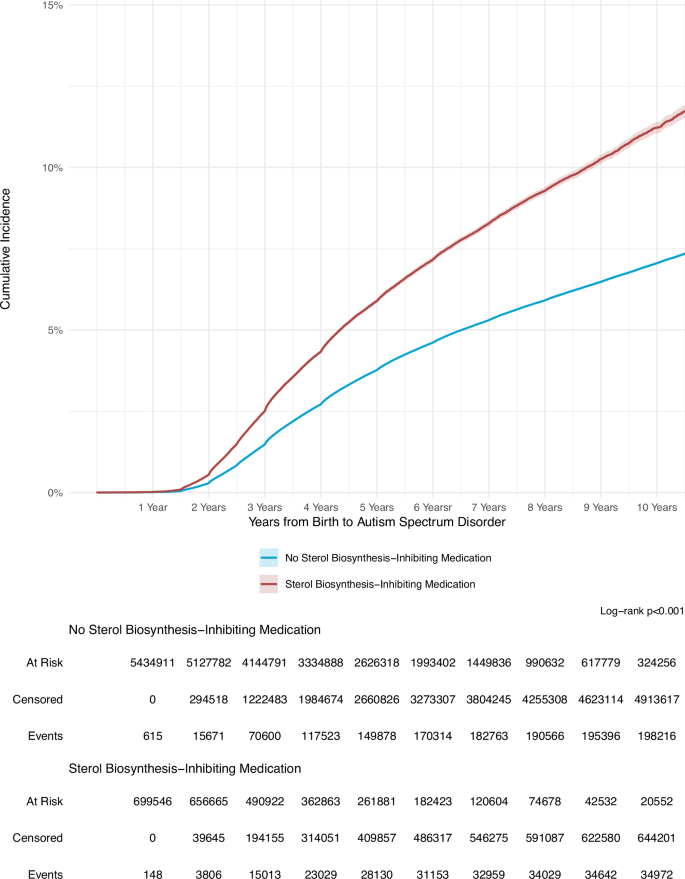
Study Links Antidepressants, Beta-blockers and Statins To Increased Autism Risk

An analysis of 6.14 million maternal-child health records  has linked prescription medications...

Pilot Study: Fibromyalgia Fatigue Improved By TENS Therapy

Fibromyalgia is the term for a poorly-understood condition where people experience pain and fatigue...

User picture.
News StaffRSS Feed of this column.

News Releases From All Over The World, Right To You... Read More »

Blogroll

A team led at Newcastle University, UK, has shed light on the evolutionary roots of language in the brain.

Publishing in Nature Communications, the team led by Dr Ben Wilson and Professor Chris Petkov explain how using an imaging technique to explore the brain activity in humans and monkeys has identified the evolutionary origins of cognitive functions in the brain that underpin language and allow us to evaluate orderliness in sequences of sounds.

This new knowledge will help our understanding of how we learn - and lose - language such as in aphasia after a stroke or in dementia.

Cetuximab, marketed as Erbitux, is one of the key therapies for metastatic colorectal cancer, yet the cancer still returns in some patients, shortening overall survival. A new study may help explain why. Key proteins, known as epidermal growth factor receptors (EGFR), are regulated, leading to resistance.

"Our study investigated the role of extracellular methylation in EGFR signaling, and unexpectedly discovered new information about how EGFR renders cancer cells resistant to cetuximab antibody therapy," said Mien Chie Hung, Ph.D., chair of Molecular and Cellular Oncology at The University of Texas MD Anderson Cancer Center.

People who drink three to five cups of coffee per day are less likely to die prematurely from some illnesses than those who don't drink or drink less coffee, according to a new study. Drinkers of both caffeinated and decaffeinated coffee saw benefits, including a lower risk of death from cardiovascular disease, neurological diseases, type 2 diabetes, and suicide.

Scientists have shown how a parasitic worm infection common in the developing world increases susceptibility to tuberculosis. The study demonstrated that treating the parasite reduces lung damage seen in mice that also are infected with tuberculosis, thereby eliminating the vulnerability to tuberculosis (TB) that the parasite is known to cause.

The study raises the possibility of using inexpensive and widely available anti-parasitic drugs as a preventive measure in places where the parasite and TB are common -- stopping infection with the parasite and reducing susceptibility to TB and the risk of a latent TB infection progressing to disease.

Scholars have additional evidence that among U.S. adults some recent cigarette quitters may have done so with the assistance of electronic cigarettes.

The research informs the ongoing debate as to whether e-cigarettes are effective aids for smoking cessation or instead promote uptake by non-tobacco users.

Noisy gymnasiums, restaurants where conversations are nearly impossible, and concert halls less than perfect for the music are all engineering problems.

What does that have to do with emotions? Perhaps a lot. Penn State acoustical engineers are using functional MRI, measuring brain activity by sensing changes in blood flow in the brain, to better understand room acoustics and the emotions they can cause.





