Banner
Synchrotron Could Shed Light On Exotic Dark Photons

There are many hypothetical particles proposed to explain dark matter and one idea to explore how...

The Pain Scale Is Broken But This May Fix It

Chronic pain is reported by over 20 percent of the global population but there is no scientific...
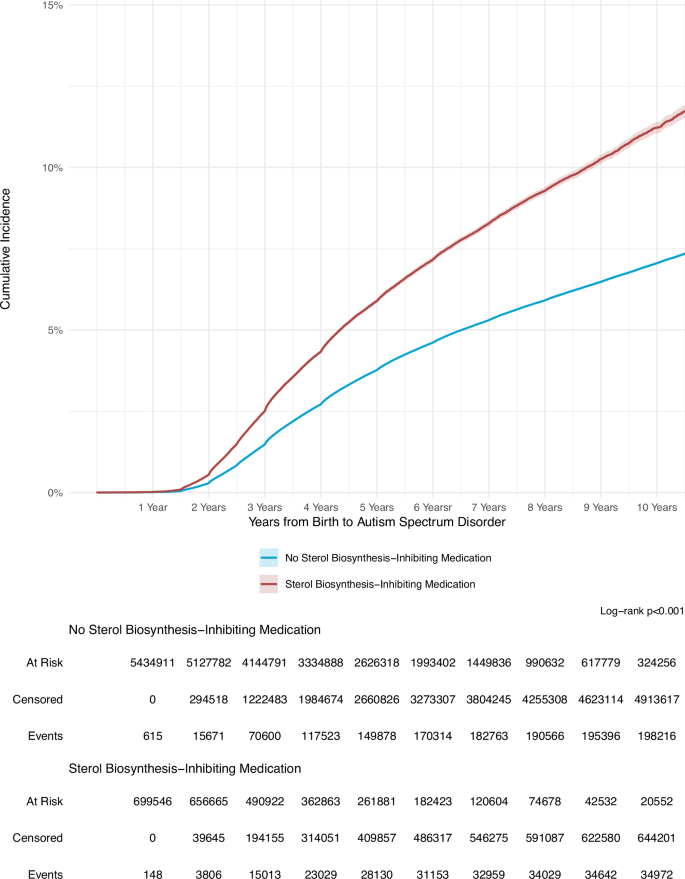
Study Links Antidepressants, Beta-blockers and Statins To Increased Autism Risk

An analysis of 6.14 million maternal-child health records  has linked prescription medications...

Pilot Study: Fibromyalgia Fatigue Improved By TENS Therapy

Fibromyalgia is the term for a poorly-understood condition where people experience pain and fatigue...

User picture.
News StaffRSS Feed of this column.

News Releases From All Over The World, Right To You... Read More »

Blogroll

A team of astronomers is proposing that huge spiral patterns seen around some newborn stars, merely a few million years old (about one percent our sun's age), may be evidence for the presence of giant unseen planets. This idea not only opens the door to a new method of planet detection, but also could offer a look into the early formative years of planet birth.

Though astronomers have cataloged thousands of planets orbiting other stars, the very earliest stages of planet formation are elusive because nascent planets are born and embedded inside vast, pancake-shaped disks of dust and gas encircling newborn stars, known as circumstellar disks.

Around 20 per cent of girls from ethnic minority backgrounds are not being vaccinated against the Human Papilloma Virus (HPV) because they feel they don't need it, according to a Cancer Research UK survey presented today at the National Cancer Research Institute (NCRI) Cancer Conference in Liverpool.

The authors say this is the first study done with an ethnically diverse group of girls to look at why they are not vaccinated, or do not complete the series of injections. Researchers found that 17 percent of girls from black backgrounds and 22 percent of girls from Asian backgrounds who hadn't been vaccinated said that they did not need the vaccination and the reasons they gave included that they did not expect to be sexually active before marriage. 

Diet diversity may be linked to lower diet quality and worse metabolic health, according to survey data from 6,814 participants in the Multi-Ethnic Study of Atherosclerosis, a study of whites, blacks, Hispanic-Americans and Chinese-Americans in the United States.

The authors looked at diet diversity through different measures. These included the total count (number of different foods eaten in a week), evenness (the distribution of calories across different foods consumed), and dissimilarity (the differences in food attributes relevant to metabolic health, such as fiber, sodium or trans-fat content). 

Major League Baseball can help understand why maps used to predict shaking in future earthquakes often do poorly. 

Earthquake hazard maps use assumptions about where, when, and how big future earthquakes will be to predict the level of shaking. The results are used in designing earthquake-resistant buildings. However, as the study's lead author, earth science and statistics graduate student Edward Brooks, explains "sometimes the maps do well, and sometimes they do poorly. In particular, the shaking and thus damage in some recent large earthquakes was much larger than expected."

University of Adelaide researchers have uncovered the role played by a family of genes, which can suppress hepatitis C virus (HCV) infection within the liver.

The findings, published in the Journal of Biological Chemistry, shed light on the activity of these genes and how they produce a natural immune response to the virus.

HCV is a major health problem in Australia, with approximately 233,000 Australians having the disease that is transmitted through contaminated blood. Unchecked HCV infection can lead to chronic disease and liver cancer, and both diseases are increasing in frequency.

An astrophysics student at The Australian National University (ANU) has turned to artificial intelligence to help her to see into the hearts of galaxies.

PhD student Elise Hampton was inspired by neural networks to create a program to single out from thousands of galaxies the subjects of her study - the most turbulent and messy galaxies.

"I love artificial intelligence. It was actually a very simple program to write, once I learnt how," said Ms Hampton, who is studying at the ANU Research School of Astronomy and Astrophysics.

pic

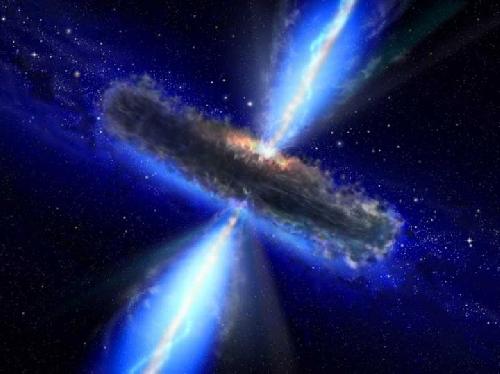
An active galaxy. Credit: ESA_NASA_AVO_Paolo Padovani