

Banner
Synchrotron Could Shed Light On Exotic Dark Photons

There are many hypothetical particles proposed to explain dark matter and one idea to explore how...

The Pain Scale Is Broken But This May Fix It

Chronic pain is reported by over 20 percent of the global population but there is no scientific...
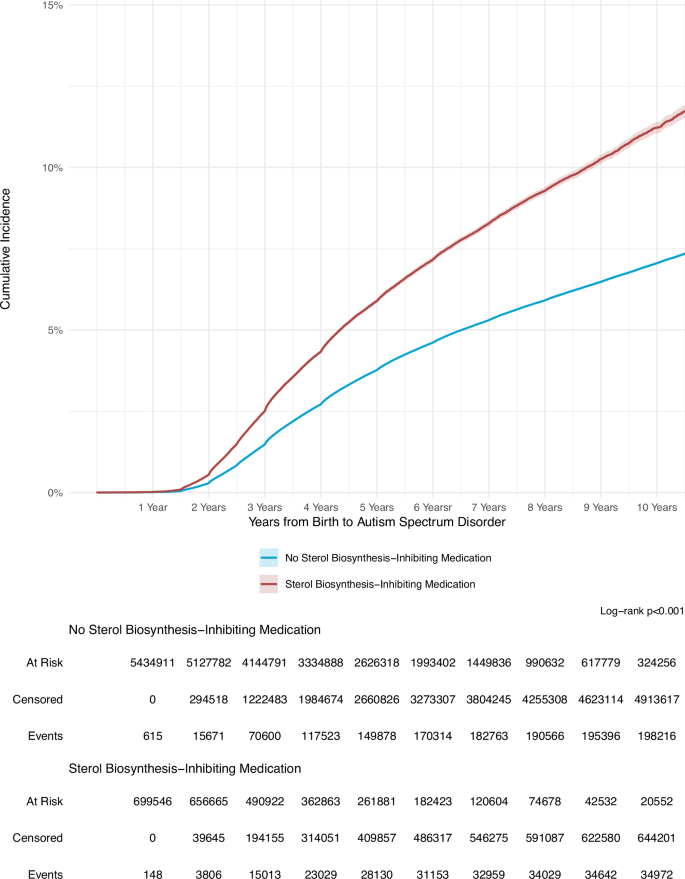
Study Links Antidepressants, Beta-blockers and Statins To Increased Autism Risk

An analysis of 6.14 million maternal-child health records  has linked prescription medications...

Pilot Study: Fibromyalgia Fatigue Improved By TENS Therapy

Fibromyalgia is the term for a poorly-understood condition where people experience pain and fatigue...

User picture.
News StaffRSS Feed of this column.

News Releases From All Over The World, Right To You... Read More »

Blogroll

The hormone oxytocin, which has been associated with interpersonal bonding, may enhance the pleasure of social interactions by stimulating production of marijuana-like neurotransmitters in the brain, according to a new study.

The research is the first to link oxytocin - dubbed the "love hormone" by psychologists - and anandamide, which has similarly been called the "bliss molecule" for its role in activating cannabinoid receptors in brain cells, to heighten motivation and happiness. 

For years, evolutionary biologists have wondered how ecosystems during the Pleistocene epoch survived despite the presence of many species of huge, hungry herbivores, such as mammoths, mastodons and giant ground sloths.

Observations on modern elephants suggest that large concentrations of those animals could have essentially destroyed the environment, but that wasn't the case.

A new paper argues that the ecosystem was effectively saved by predatory animals that helped keep the population of large herbivores in check. Their findings show that intense, violent attacks by packs of some of the world's largest carnivores -- including lions much larger than those of today and sabertooth cats -- went a long way toward shaping ecosystems during the Pleistocene epoch.

A new way to store methane could speed the development of cleaner-burning natural gas-powered cars that don't require the high pressures or cold temperatures of today's compressed or liquefied natural gas vehicles.

Natural gas is cleaner-burning than gasoline, and today there are more than 150,000 compressed natural gas (CNG) vehicles on the road in the U.S., most of them trucks and buses. But until manufacturers can find a way to pack more methane into a tank at lower pressures and temperatures, allowing for a greater driving range and less hassle at the pump, passenger cars are unlikely to adopt natural gas as a fuel.

A new study concludes that even if calories are the same and no weight is lost, children are still healthier with added sugar - and the author say changes in high cholesterol and blood pressure, are noticeable in as little as 10 days.

Metabolic syndrome is a cluster of conditions -- increased blood pressure, high blood glucose level, excess body fat around the waist, and abnormal cholesterol levels -- that occur together and increase risk of heart disease, stroke, and diabetes. Other diseases associated with metabolic syndrome, such as non-alcoholic fatty liver disease and type 2 diabetes, now occur in children -- disorders previously unknown in the pediatric population.

Managing money can be difficult at any age but for older adults, changes in physical condition and life circumstances can lead to changes for the worse in financial behavior, putting their well-being in danger.

Now those changes have been given a name: age-associated financial vulnerability. 

The authors define the condition as "a pattern of financial behavior that places an older adult at substantial risk for a considerable loss of resources such that dramatic changes in quality of life would result." To be considered AAFV, this behavior also must be a marked change from the kind of financial decisions a person made in younger years.

Scientists have deciphered maternal genetic material from two babies buried together at an Alaskan campsite 11,500 years ago and found the infants had different mothers and were the northernmost known kin to two lineages of Native Americans found farther south throughout North and South America.

By showing that both genetic lineages lived so far north so long ago, the study supports the "Beringian standstill model." It says that Native Americans descended from people who migrated from Asia to Beringia - the vast Bering land bridge that once linked Siberia and Alaska - and then spent up to 10,000 years in Beringia before moving rapidly into the Americas beginning at least 15,000 years ago.




