Banner
Synchrotron Could Shed Light On Exotic Dark Photons

There are many hypothetical particles proposed to explain dark matter and one idea to explore how...

The Pain Scale Is Broken But This May Fix It

Chronic pain is reported by over 20 percent of the global population but there is no scientific...
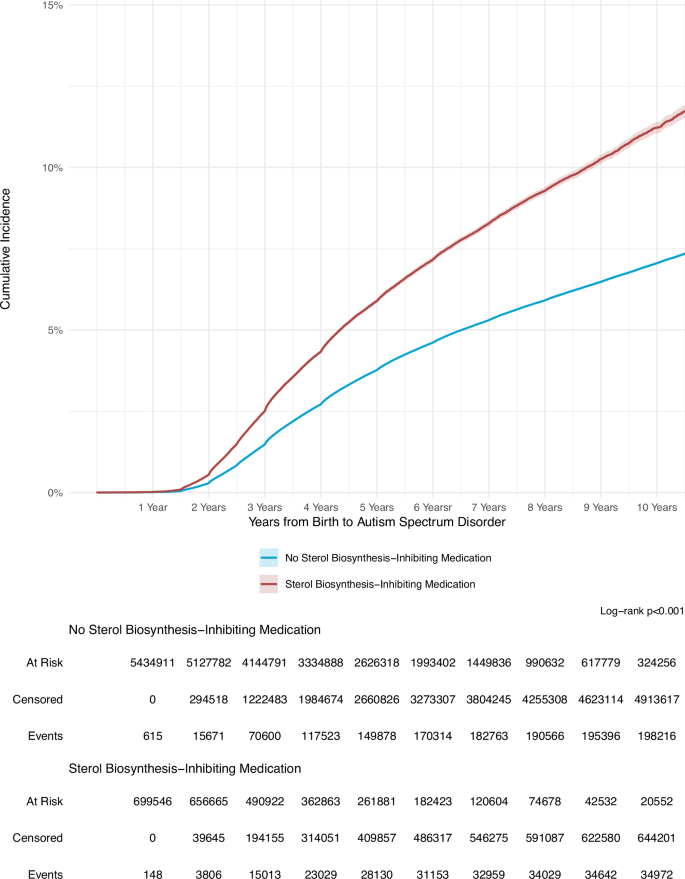
Study Links Antidepressants, Beta-blockers and Statins To Increased Autism Risk

An analysis of 6.14 million maternal-child health records  has linked prescription medications...

Pilot Study: Fibromyalgia Fatigue Improved By TENS Therapy

Fibromyalgia is the term for a poorly-understood condition where people experience pain and fatigue...

User picture.
News StaffRSS Feed of this column.

News Releases From All Over The World, Right To You... Read More »

Blogroll

Social networking makes it easy to monitor the status and activities of a former romantic partner, an often unhealthy use of social media known as interpersonal electronic surveillance (IES) by about five scholars on the planet who hope the term will catch on.

In the real world it is probably called cyber-stalking when it is not just stalking. There are warning signs it will occur but people often assume the best and ignore those. But after the fact, psychological and relationship factors and how individuals cope with the termination of a romantic relationship can help predict their use of online surveillance, according to a study published in Cyberpsychology, Behavior, and Social Networking.

Cigarette smoking is bad because it's nicotine that is addictive but it is the hundreds of carcinogens in smoke that kills people. They are a deadly combination. For that reason, advocates often promote harm reduction techniques while smoking cessation happens - gums, patches and e-cigarettes all replacement the nicotine with the cigarette smoke.

What is happening in the brain? It's a lot like codeine.

According to new research in rat models, nicotine use over time increases the speed that codeine is converted into morphine within the brain, by increasing the amount of a specific enzyme. It appears smokers' brains are being primed for a bigger buzz from this common pain killer - which could put them at a higher risk for addiction, and possibly even overdose.

They stayed up late into the evening, averaged less than 6.5 hours of sleep a night and rarely napped.

College students during final exams? Working moms? No, says a UCLA-led team of researchers who studied sleeping patterns among traditional peoples whose lifestyles closely resemble those of our evolutionary ancestors. Instead it was pre-industrial humans, according to a team that studied the Hadza of Tanzania, the San of Namibia and the Tsimane of Bolivia challenges conventional wisdom about their sleeping habits. The findings, published today in Current Biology, suggest that the industrialized world's sleep habits do not differ much from those that humans evolved to have.

Stanford engineers have created a plastic "skin" that can detect how hard it is being pressed and generate an electric signal to deliver this sensory input directly to a living brain cell.

Zhenan Bao, a professor of chemical engineering at Stanford, has spent a decade trying to develop a material that mimics skin's ability to flex and heal, while also serving as the sensor net that sends touch, temperature and pain signals to the brain. Ultimately she wants to create a flexible electronic fabric embedded with sensors that could cover a prosthetic limb and replicate some of skin's sensory functions.

When flowering plants are surrounded by a large number of insects, usually both sides profit from the encounter. Feasting on the plant juice and pollen, the insects pollinate the flowers and thus secure the survival of the plants. However, sometimes the insects - in this case a certain species of leafhoppers - can bring disaster to the plants, which they are not able to overcome. 

Climate variability is one of the major forces in the rise and fall of agrarian states in Mexico and Peru, according to a team of researchers looking at both climate and archaeological records.

"We are arguing that the climate information in both areas is good enough to establish that climate is playing some role in the rise and fall of these city states," said Douglas Kennett, professor of environmental archaeology. "Now we need to further refine the archaeological data."