Banner
Synchrotron Could Shed Light On Exotic Dark Photons

There are many hypothetical particles proposed to explain dark matter and one idea to explore how...

The Pain Scale Is Broken But This May Fix It

Chronic pain is reported by over 20 percent of the global population but there is no scientific...
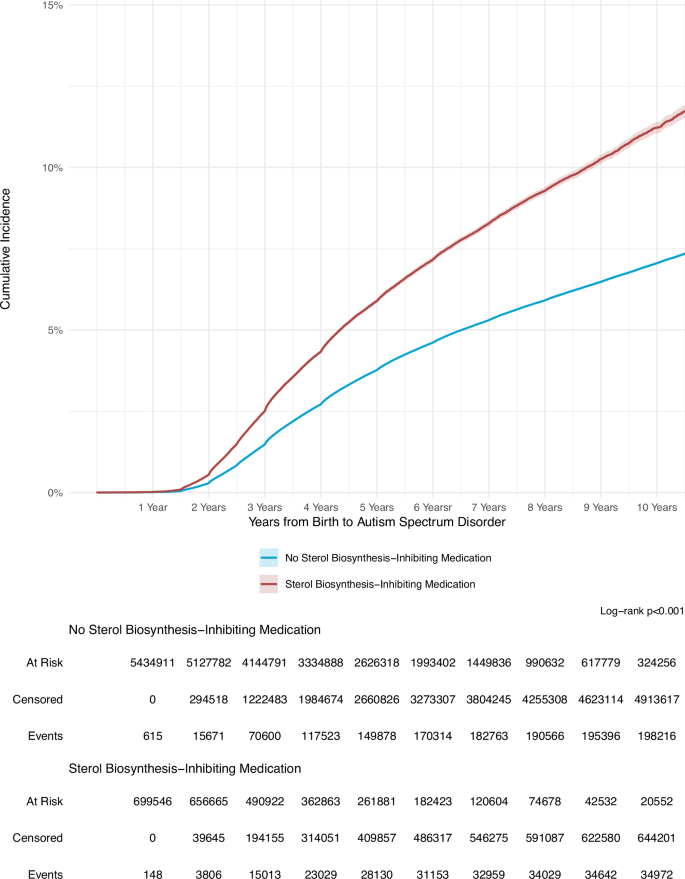
Study Links Antidepressants, Beta-blockers and Statins To Increased Autism Risk

An analysis of 6.14 million maternal-child health records  has linked prescription medications...

Pilot Study: Fibromyalgia Fatigue Improved By TENS Therapy

Fibromyalgia is the term for a poorly-understood condition where people experience pain and fatigue...

User picture.
News StaffRSS Feed of this column.

News Releases From All Over The World, Right To You... Read More »

Blogroll

The identification of a protein that selectively clears damaged chloroplasts from plant cells reveals how plants maintain a "clean workshop" during the process of photosynthesis. Chloroplasts play an important role in transforming light into useable energy for plants, but when these energy powerhouses are damaged, they release harmful substances. When the plant detects this damage, signals are sent to genes involved in chloroplast function and stress adaptation.

At 8 a.m. EDT on October 23, 2015, the National Hurricane Center said that Hurricane Patricia had grown into a monster hurricane. In fact, it is the strongest eastern north pacific hurricane on record. NASA-NOAA's Suomi NPP satellite analyzed the temperatures and structure within the storm as it passed overhead.

On October 23, a Hurricane Warning was in effect from San Blas to Punta San Telmo. A Hurricane Watch was in effect from east of Punta San Telmo to Lazaro Cardenas and a Tropical Storm Warning was in effect from east of Punta San Telmo to Lazaro Cardenas.

A year of treatment with nicotinamide, a form of vitamin B3, significantly lowered the risk of common, non-melanoma skin cancer in high-risk patients, according to a paper in the New England Journal of Medicine.

All 386 participants in the study had a history of skin cancer, increasing their risk for additional skin cancers. Taken as a twice-daily pill for 12 months, nicotinamide reduced the incidence of new non-melanoma skin cancers by 23 percent relative to placebo controls and cut the incidence of pre-cancerous sun spots by around 15 percent. 

Researchers don’t always get it right. Scientists used to toiling in obscurity on arcane subjects can be lured into presenting hyperbolic conclusions from a media that demands sensational headlines, and confirmation bias remains a powerful psychological force within the scientific community.

So what does the media do when honest researchers realize their attention-getting findings were simply wrong? 

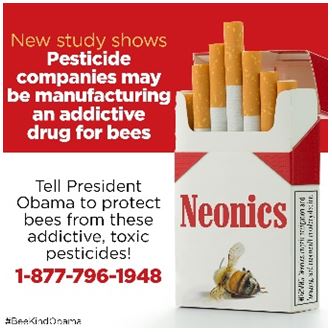
If this case of “bee addiction” is any indicator, the answer is nothing.

Scientists from the Institute of Organic Chemistry and Biochemistry in Prague, Czech Republic, and the Max Planck Institute for Chemical Ecology in Jena, Germany, studied the pheromone chemistry of moths and discovered a new evolutionary mechanism: A single amino acid residue in desaturases − enzymes that introduce double bonds, of the tobacco hornworm Manduca sexta − switches the desaturase products from mono- and di-unsaturated to tri-unsaturated sex pheromone precursors.

Regulation of a family of brain proteins known as bromodomain and extra-terminal domain containing transcription regulators (BETs) plays a key role in normal cognition and behavior, according to a study conducted at the Icahn School of Medicine at Mount Sinai and published advanced online on September 21 and in print October 19 in The Journal of Experimental Medicine.

The Mount Sinai study focuses on epigenetics, the study of changes in the action of human genes caused by molecules that regulate when, where and to what degree our genetic material is activated, rather than focusing on genetic changes in the DNA code we inherit from our parents.