

Banner
Synchrotron Could Shed Light On Exotic Dark Photons

There are many hypothetical particles proposed to explain dark matter and one idea to explore how...

The Pain Scale Is Broken But This May Fix It

Chronic pain is reported by over 20 percent of the global population but there is no scientific...
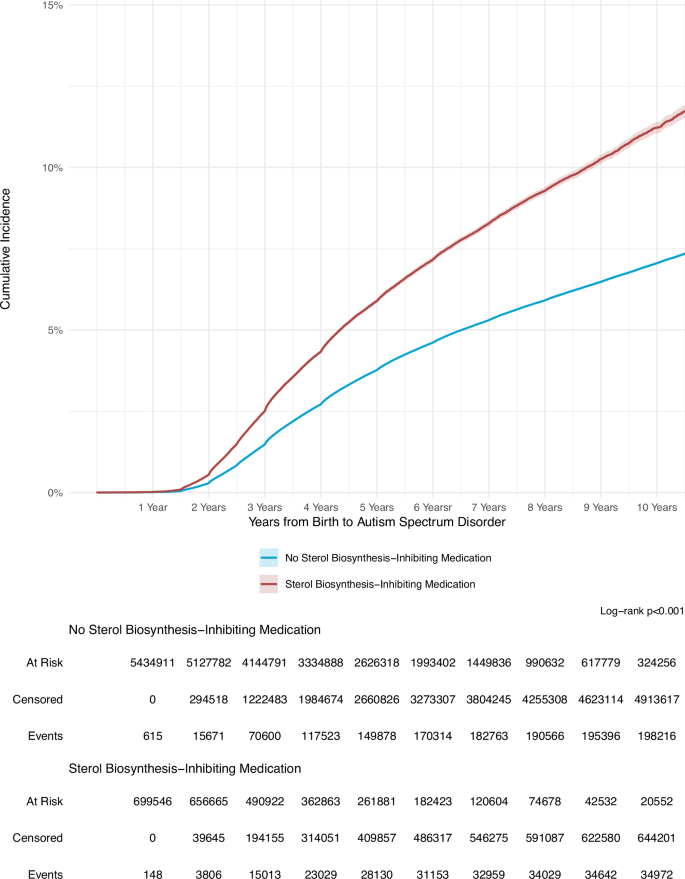
Study Links Antidepressants, Beta-blockers and Statins To Increased Autism Risk

An analysis of 6.14 million maternal-child health records  has linked prescription medications...

Pilot Study: Fibromyalgia Fatigue Improved By TENS Therapy

Fibromyalgia is the term for a poorly-understood condition where people experience pain and fatigue...

User picture.
News StaffRSS Feed of this column.

News Releases From All Over The World, Right To You... Read More »

Blogroll

Computers have scanned aerial photographs and conducted the first automated mass-crowd count in the world, thanks to the work of researchers at the University of Central Florida.

Counting large-scale crowds has been a long, tedious process involving people examining aerial photographs one at a time - and it has been termed accurate, with organizers often claiming results 1000% greater than police and journalists. They are able to make claims and stick to them because the traditional method involves dividing photographs into sections and counting the number of heads per inch. 

Bee colonies had a decline in 2006, and a decade earlier, and lots of times going back as far as people kept count of bees, but activists most recently blamed a group of pesticides called neonicotinoids, and ignored climate and parasites, the thing that scientists said made the difference in periodic blips.

Regardless of the consensus, a team of scholars in Environmental Science&Technology blame these "neonics" and claim past studies may have underestimated the bees' exposure to the compounds.

Heart valve replacements made from tissue (bioprosthetic valves) have long been thought to be spared the complication of blood clot formation. Researchers have now found that about 15 percent of all bioprosthetic aortic heart valve patients develop blood clots on the leaflets affecting valve opening, regardless of whether the patient received the new valve via open-heart surgery or a minimally-invasive catheter procedure, a new study from the Cedars-Sinai Heart Institute shows.

The study, published online today by the New England Journal of Medicine and scheduled for the Nov. 26 print edition, also shows that anti-coagulant medications such as Warfarin quickly resolve the clotting issue for all patients, regardless of the type of valve or procedure.

Repeating aloud boosts verbal memory, especially when you do it while addressing another person, says Professor Victor Boucher of the University of Montreal's Department of Linguistics and Translation. His findings are the result of a study that will be published in the next edition of Consciousness and Cognition. "We knew that repeating aloud was good for memory, but this is the first study to show that if it is done in a context of communication, the effect is greater in terms of information recall," Boucher explained.

When a Lake Malawi cichlid loses a tooth, a new one drops neatly into place as a replacement. Why can't humans similarly regrow teeth lost to injury or disease?

Working with hundreds of these colorful fish, researchers are beginning to understanding how the animals maintain their hundreds of teeth throughout their adult lives. By studying how structures in embryonic fish differentiate into either teeth or taste buds, the researchers hope to one day be able to turn on the tooth regeneration mechanism in humans - which, like other mammals, get only two sets of teeth to last a lifetime.

Genetic ancestry, as well as facial characteristics, may play an important part in who we select as mates, according to an analysis that used population genomics and social science data to gauge the relatedness of parents in a study of asthma in Mexican and Puerto Rican children.



