

Banner
Synchrotron Could Shed Light On Exotic Dark Photons

There are many hypothetical particles proposed to explain dark matter and one idea to explore how...

The Pain Scale Is Broken But This May Fix It

Chronic pain is reported by over 20 percent of the global population but there is no scientific...
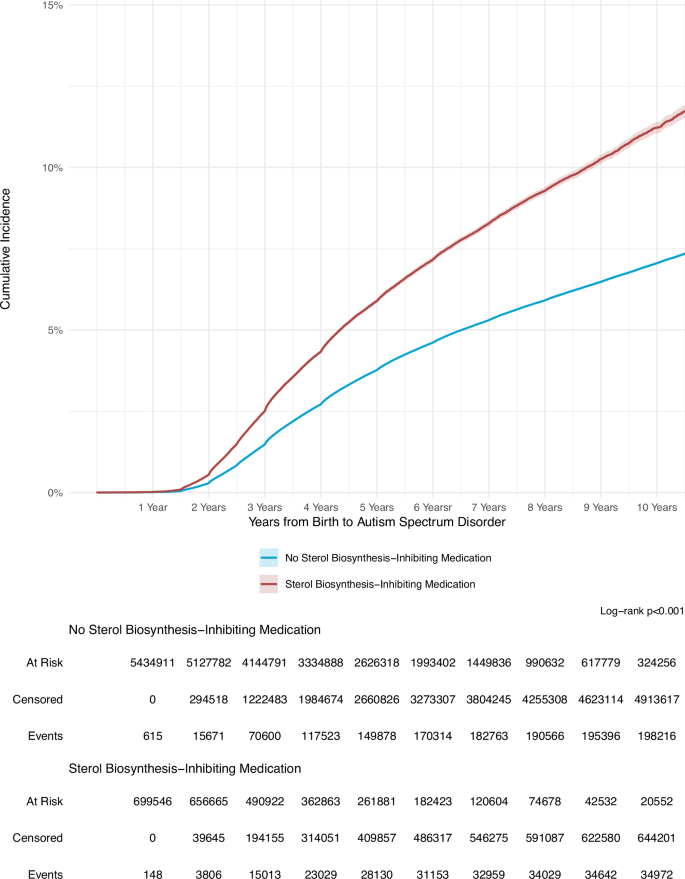
Study Links Antidepressants, Beta-blockers and Statins To Increased Autism Risk

An analysis of 6.14 million maternal-child health records  has linked prescription medications...

Pilot Study: Fibromyalgia Fatigue Improved By TENS Therapy

Fibromyalgia is the term for a poorly-understood condition where people experience pain and fatigue...

User picture.
News StaffRSS Feed of this column.

News Releases From All Over The World, Right To You... Read More »

Blogroll

Montreal, October 15, 2015 - Scientists at the Research Institute of the McGill University Health Centre (RI-MUHC) and Duke University have made a breakthrough that advances our understanding of how the brain detects and prevents dehydration. They have identified the structure of a key protein located in the brain, which is involved in body hydration and that could control temperature. The findings, which were recently published in the print issue of Cell Reports, could have important clinical implications, as this protein could be a target for the development of treatments and diagnostic tests for many health problems associated with the imbalance of bodily fluids, commonly seen in the emergency room.

Johannes Reiter, former PhD student in the group of Krishnendu Chatterjee at the Institute of Science and Technology Austria (IST Austria), is co-author of a Nature paper on genetic alterations that drive the progression and relapse of cancer. An international team of scientists from the US, Germany and Austria identified novel genes associated with chronic lymphocytic leukemia through the analysis of high-throughput sequencing data.

An international team of researchers, together with participation from the University of Bonn, has investigated a stunning fossil finding from the Cretaceous period. The 125-million-year-old mouse- to rat-sized mammal is preserved so well that even detailed analyses of its fur are possible. An astounding finding: The animal may have suffered from a fungal infection of the hair which also strikes mammals nowadays. The scientists are publishing their results in the journal Nature.

Source:

Researchers from the University of East Anglia are calling for medical trial data to be kept in national repositories.

A BMJ study published today reveals how a series of barriers stopped researchers from reviewing the effects of heart failure drugs such as beta blockers on patients.

Now they are calling for greater transparency in research and recommend that access to data should be a mandatory requirement of funding.

They warn that the risks of not doing so, could lead to "erroneous clinical decisions".

Want to hit a fastball like the New York Mets do? It won't surprise you much to learn that baseball players don't think much about hitting the ball - much of it comes from trained muscle memory and a great deal of visual ocularity.

The latest episode of “It’s Okay to Be Smart” outlines the combination of practice, strength, brainpower, and good eyesight that helps players predict the correct time to swing the bat. Fortunately none of those things will make you field the ball like David Murphy, even if you hit like him.

