

Banner
Synchrotron Could Shed Light On Exotic Dark Photons

There are many hypothetical particles proposed to explain dark matter and one idea to explore how...

The Pain Scale Is Broken But This May Fix It

Chronic pain is reported by over 20 percent of the global population but there is no scientific...
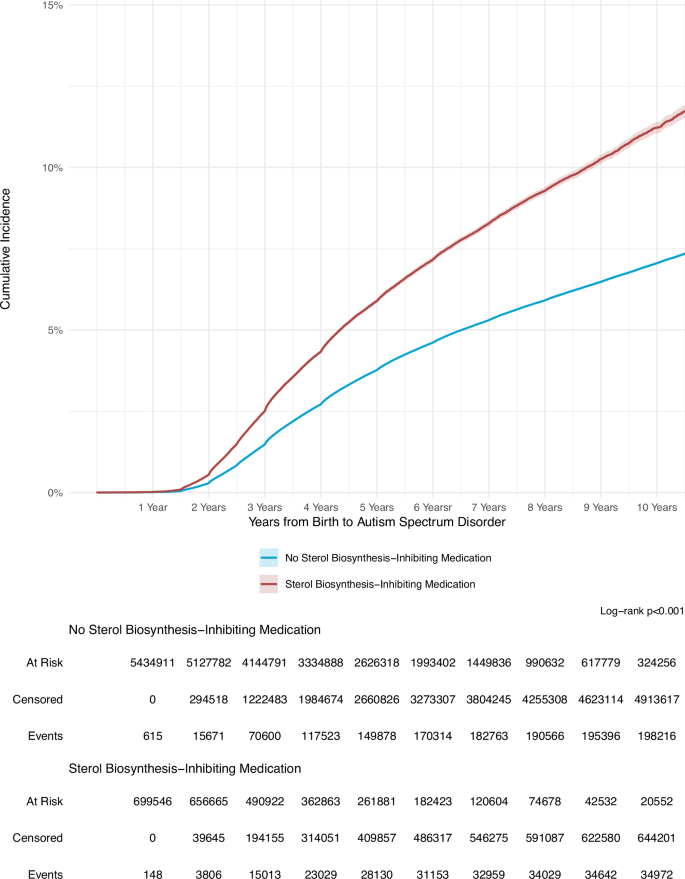
Study Links Antidepressants, Beta-blockers and Statins To Increased Autism Risk

An analysis of 6.14 million maternal-child health records  has linked prescription medications...

Pilot Study: Fibromyalgia Fatigue Improved By TENS Therapy

Fibromyalgia is the term for a poorly-understood condition where people experience pain and fatigue...

User picture.
News StaffRSS Feed of this column.

News Releases From All Over The World, Right To You... Read More »

Blogroll

Human twin embryos created in the laboratory by splitting single embryos into two using a common method known as blastomere biopsy may be unsuitable both for IVF and for research purposes, according to a new study.

In the UK, the Human Fertilisation and Embryology Authority Code of Practice says that clinics should not be producing embryos for IVF treatment by embryo splitting, such genetically identical embryos should be used only for research purposes. However, in the US the Ethics Committee of the American Society for Reproductive Medicine has not indicated any major ethical objections to placing two or more artificially created embryos with the same genome into the uterus. 

MONTRÉAL (October 19, 2015)- Researchers from Mayo Clinic in Jacksonville, Florida, formed a multidisciplinary sepsis and shock response team (SSRT) to help alert emergency department providers when these disorders are suspected. An automated electronic sepsis alarm for early recognition, followed by standardized multidisciplinary management of patients with suspected sepsis or shock with SSRT, improved the compliance with standard care measures and overall mortality.

NEW YORK, NY -- A new and comprehensive study by investigators at the Celiac Disease Center at Columbia University Medical Center has found that celiac patients are at no increased risk for dementia before or after their diagnosis of celiac disease.

"Patients coming to our center have long described 'brain fog,' and it appears that gluten can cause cognitive effects in some individuals with and without celiac disease," said Peter Green, MD, the Phyllis and Ivan Seidenberg Professor of Medicine at Columbia University and the director of the Celiac Disease Center. "However, we didn't know if these effects have long-term consequences in the form of increased risk of dementia."

An international team have used cutting edge genomic methods to uncover key biological insights that help explain the protective effects of the world's most advanced malaria vaccine candidate, RTS,S/AS01 (RTS,S). 

RTS,S is the first malaria vaccine candidate to complete phase 3 trials. Originally designed by scientists at GlaxoSmithKline (GSK) in 1987, development of the vaccine is now being advanced by a public-private partnership between GSK and PATH Malaria Vaccine Initiative.

Applying highly sensitive sequencing technology to more patient samples than previously tested, the team was able to determine that genetic variation in the protein targeted by RTS,S influences the vaccine's ability to ward off malaria in young children. 

A new crime scene identification technique for fingerprint detection and analysis adds a drop of liquid containing crystals to surfaces, which means investigators using a UV light are able to see invisible fingerprints "glow" in about 30 seconds.

The strong luminescent effect creates greater contrast between the latent print and surface enabling higher resolution images to be taken for easier and more precise analyses.

Sepsis is an inflammatory response to infection that's known to develop in hospital settings and can turn deadly when it's not discovered early on.

In a new study, a hospital surveillance program focusing on reducing the risks of sepsis, known as the two-stage Clinical Decision Support (CDS) system, was found to reduce the risk of adverse outcomes, such as death and hospice discharge for sepsis patients, by 30% over the course of one year.


