

Banner
Synchrotron Could Shed Light On Exotic Dark Photons

There are many hypothetical particles proposed to explain dark matter and one idea to explore how...

The Pain Scale Is Broken But This May Fix It

Chronic pain is reported by over 20 percent of the global population but there is no scientific...
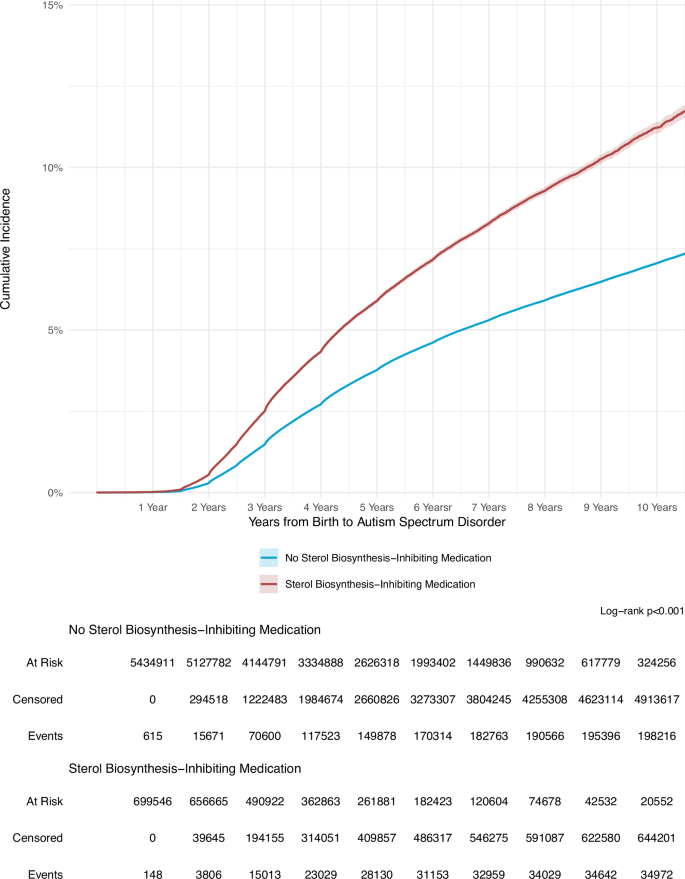
Study Links Antidepressants, Beta-blockers and Statins To Increased Autism Risk

An analysis of 6.14 million maternal-child health records  has linked prescription medications...

Pilot Study: Fibromyalgia Fatigue Improved By TENS Therapy

Fibromyalgia is the term for a poorly-understood condition where people experience pain and fatigue...

User picture.
News StaffRSS Feed of this column.

News Releases From All Over The World, Right To You... Read More »

Blogroll

Researchers say they have added to evidence that a shell-shaped region in the center of the mammalian brain, known as the thalamic reticular nucleus or TRN, is likely responsible for the ability to routinely and seamlessly multitask. 

The process, they suggest, is done by individual TRN neurons that act like a "switchboard," continuously filtering sensory information and shifting more or less attention onto one sense -- like sight -- while relatively blocking out distracting information from other senses, including sound.

The Death Star of the movie Star Wars may be fictional, but planetary destruction is real. Astronomers announced today that they have spotted a large, rocky object disintegrating in its death spiral around a distant white dwarf star. The discovery also confirms a long-standing theory behind the source of white dwarf "pollution" by metals.

"This is something no human has seen before," says lead author Andrew Vanderburg of the Harvard-Smithsonian Center for Astrophysics (CfA). "We're watching a solar system get destroyed."

When a star comes too close to a black hole, the intense gravity of the black hole results in tidal forces that can rip the star apart. In these events, called tidal disruptions, some of the stellar debris is flung outward at high speeds, while the rest falls toward the black hole. This causes a distinct X-ray flare that can last for years.

A team of astronomers has observed a tidal disruption event in a galaxy that lies about 290 million light years from Earth, the closest tidal disruption discovered in about a decade.

In 1939, a Russian engineer proposed a "flying submarine" -- a vehicle that can seamlessly transition from air to water and back again. While it may sound like something out of a James Bond film, engineers have been trying to design functional aerial-aquatic vehicles for decades with little success. Now, engineers may be one step closer to the elusive flying submarine.

The biggest challenge is conflicting design requirements: aerial vehicles require large airfoils like wings or sails to generate lift while underwater vehicles need to minimize surface area to reduce drag.

Vaccines help prevent disease by inducing immunological memory, the ability of immune cells to remember and respond more quickly when re-exposed to the same pathogen. While certain phases of the pathway are well understood, little is known about the role of helper T cells, a "master orchestrator" of the immune response that send signals to activate the immune system.

A study has identified molecular mechanisms that control an immune cell's ability to remember. They found that in helper T (CD4+) cells, the proteins Oct1 and OCA-B work together to put immune response genes on standby so that they are easily activated when the body is re-exposed to a pathogen.

Women with particularly aggressive forms of breast cancer could be identified by a test that predicts whether the disease is likely to spread to the brain.

An analysis of almost 4,000 patients with breast cancer found that testing for high activity in a particular gene called alpha beta (αB)-crystallin could pick out women who were at greater risk of developing secondary brain tumors compared to women who tested negative.

A team including scientists at The Institute of Cancer Research, London, found that women whose breast cancer had begun to spread and who tested positive in the αB-crystallin test were three times more likely to have disease that spread to the brain than those who tested negative.



