Banner
Synchrotron Could Shed Light On Exotic Dark Photons

There are many hypothetical particles proposed to explain dark matter and one idea to explore how...

The Pain Scale Is Broken But This May Fix It

Chronic pain is reported by over 20 percent of the global population but there is no scientific...
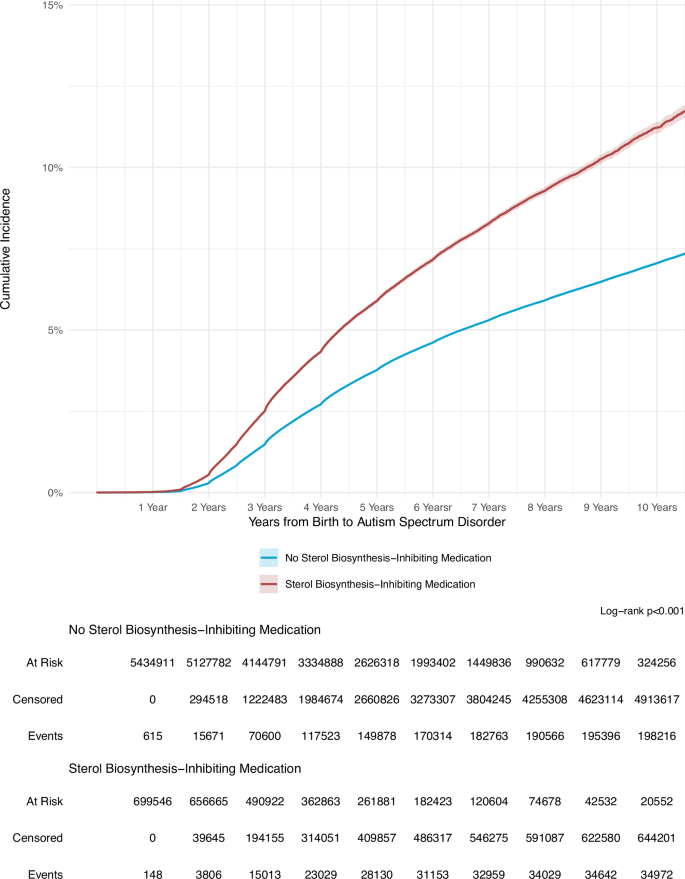
Study Links Antidepressants, Beta-blockers and Statins To Increased Autism Risk

An analysis of 6.14 million maternal-child health records  has linked prescription medications...

Pilot Study: Fibromyalgia Fatigue Improved By TENS Therapy

Fibromyalgia is the term for a poorly-understood condition where people experience pain and fatigue...

User picture.
News StaffRSS Feed of this column.

News Releases From All Over The World, Right To You... Read More »

Blogroll

Chemical signaling among social insects, such as bees, ants and wasps, is more complex than previously thought, according to researchers whose results refute the idea that a single group of chemicals controls reproduction across numerous species.

Processing fabric for the latest fashions and other textile-based products today requires thousands of chemicals, some of which are toxic and cause 20 percent of the world's water pollution. To reduce its environmental footprint, the textile industry is making changes, designing safer chemicals and turning to nature to find replacements to potentially harmful compounds, according to an article in Chemical&Engineering News.

Girls from families with a history of breast cancer, or genetic mutations that increase the risk of a breast cancer diagnosis, seem to adjust just as well as other girls when it comes to general anxiety, depression and overall psychosocial adjustment, according to new research from the Perelman School of Medicine at the University of Pennsylvania and the Children's Hospital of Philadelphia. However, the study also found that girls from at-risk families tend to worry more about breast cancer, particularly when their mothers have the same worries. 

Botulinum toxin, commonly known as Botox, is produced by Clostridium botulinum bacteria and was once known for disease but is now known for making Hollywood actresses look plastic. However, it may also prevent irregular heart rhythms when injected into fat surrounding the heart after bypass surgery, according to research in Circulation: Arrhythmia and Electrophysiology.

When a small amount of Botox is injected into a muscle, it blocks nerve signals that tell muscles to contract. Atrial fibrillation (also called AFib or AF) is a quivering or irregular heartbeat (arrhythmia) that can lead to blood clots, stroke, heart failure and other heart-related complications.

Scientists have identified a new way to stop the growth of lung cancer cells, by blocking their ability to use alternative sources of nutrition. The discovery was made possible by identifying the metabolic programs used by cancer cells to fuel their growth. The findings point to possible new avenues for treating lung cancer, which is the second most common cancer and accounts for over one-quarter of all cancer-related deaths. The results of the study were published Oct. 15 in the journal Molecular Cell.

What cancer cells 'eat'

Dietary fat may impact the severity and duration of autoimmune flare-ups, suggests a study published on October 20 in the journal Immunity. Adjusting the length of fatty acids consumed by mice altered the function of T helper cells in the gut--either intensifying or alleviating symptoms in an animal model of the autoimmune disease (i.e., multiple sclerosis).

A team led by Ralf Linker, of Friedrich-Alexander-University Erlangen-Nuremberg and his colleague Aiden Haghikia from the Ruhr-University Bochum in Germany compared in mice the effects of short-chain fatty acids, which are solely metabolized by gut bacteria and are typically found in fiber-rich diets, with the effects of long-chain fatty acids, the most abundant component of western diets.