

Banner
Synchrotron Could Shed Light On Exotic Dark Photons

There are many hypothetical particles proposed to explain dark matter and one idea to explore how...

The Pain Scale Is Broken But This May Fix It

Chronic pain is reported by over 20 percent of the global population but there is no scientific...
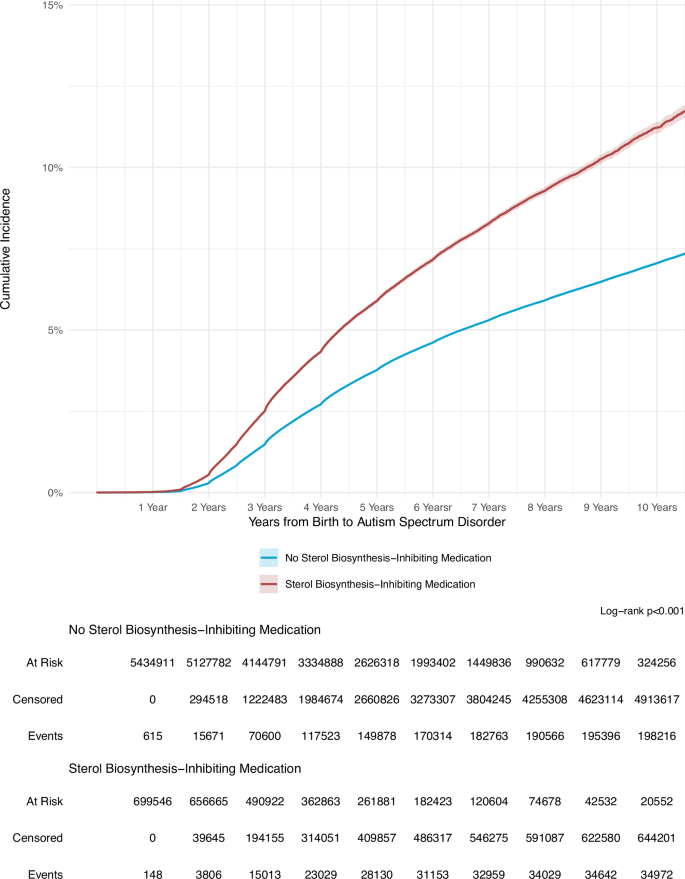
Study Links Antidepressants, Beta-blockers and Statins To Increased Autism Risk

An analysis of 6.14 million maternal-child health records  has linked prescription medications...

Pilot Study: Fibromyalgia Fatigue Improved By TENS Therapy

Fibromyalgia is the term for a poorly-understood condition where people experience pain and fatigue...

User picture.
News StaffRSS Feed of this column.

News Releases From All Over The World, Right To You... Read More »

Blogroll

An unprecedented analysis of North Pacific ocean circulation over the past 1.2 million years has found that sea ice formation in coastal regions is a key driver of deep ocean circulation, influencing climate on regional and global scales. Coastal sea ice formation takes place on relatively small scales, however, and is not captured well in global climate models, according to scientists at the

University of California, Santa Cruz, who conducted the study.

A paper on the new findings will be published in a future issue of the journal Paleoceanography and is currently available online.


Many humans like to start the day with a jolt of caffeine and it turns out bees do also.

They may even select caffeinated nectar over an uncaffeinated but otherwise equal alternative. As a result, researchers say, plants may be lacing their nectar with caffeine as a way to pass off cheaper goods.

"We describe a novel way in which some plants, through the action of a secondary compound like caffeine that is present in nectar, may be tricking the honey bee by securing loyal and faithful foraging and recruitment behaviors, perhaps without providing the best quality forage," says Margaret Couvillon of the University of Sussex.

Antioxidants are often added to fresh and processed meat and meat products to prevent lipid oxidation (decomposition), stop the development of off-flavors, and improve color stability. Recently food manufacturers have moved towards using natural antioxidants such as plant extracts, herbs, spices and essential oils, instead of synthetic ones in order to meet consumer demand for more natural products. 

In a new review article in Comprehensive Reviews in Food Science and Food Safety, published by the Institute of Food Technologists (IFT), authors from authors from Punjab Agricultural University in India looked at numerous studies to identify 27 natural ingredients that can be used as antioxidants in meat and meat products.

Argonne National Laboratory this week released a pair of studies on the efficiency of shale oil production excavation and find that shale oil production generates greenhouse gas emissions at levels similar to traditional crude oil production. 

The research analyzed the Eagle Ford shale formation in Texas and the Bakken play mainly in North Dakota. These plays are shale formations with low permeability and must be hydraulically fractured to produce oil and gas. Eagle Ford and Bakken are the second and third largest oil producing shale formation regions in the United States during the last three years, accounting for 54 percent of oil production and 19 percent of gas production among the top seven production regions.

Young Latinos living in rural areas say they face discrimination when they obtain health care services, a factor that could contribute to disparities in their rates for obtaining medical care and in their health outcomes.

Perceived discrimination is considered a barrier to obtaining health care services for underrepresented populations, including Latinos, according to lead researcher






