

Banner
Synchrotron Could Shed Light On Exotic Dark Photons

There are many hypothetical particles proposed to explain dark matter and one idea to explore how...

The Pain Scale Is Broken But This May Fix It

Chronic pain is reported by over 20 percent of the global population but there is no scientific...
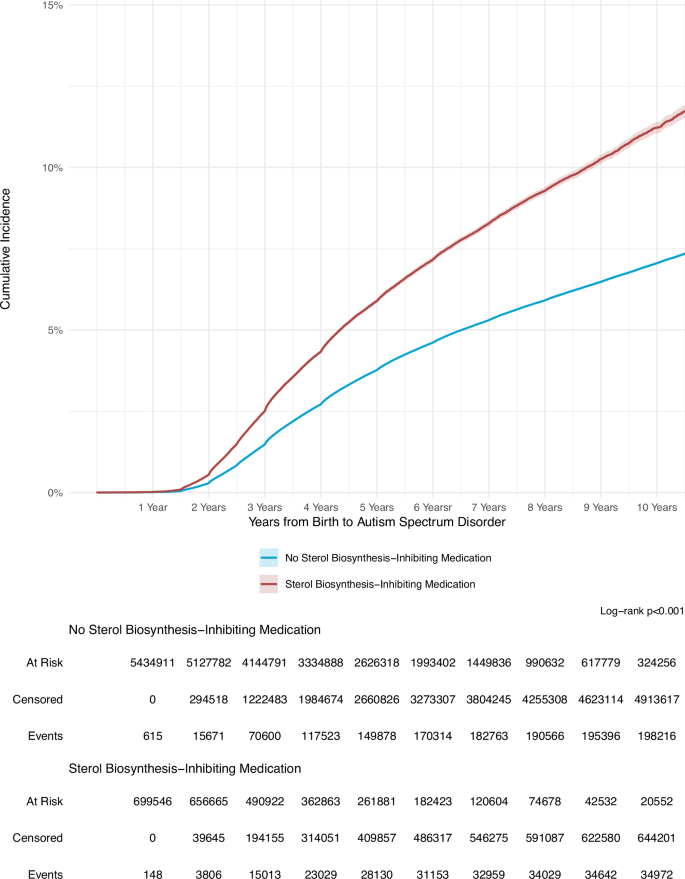
Study Links Antidepressants, Beta-blockers and Statins To Increased Autism Risk

An analysis of 6.14 million maternal-child health records  has linked prescription medications...

Pilot Study: Fibromyalgia Fatigue Improved By TENS Therapy

Fibromyalgia is the term for a poorly-understood condition where people experience pain and fatigue...

User picture.
News StaffRSS Feed of this column.

News Releases From All Over The World, Right To You... Read More »

Blogroll

A paper in California Journal of Health Promotion by Washington State University Extension educator Jennifer Crawford claims that yoga, a religious movement which became a fitness fad in the United States, may help incarcerated fathers improve their parenting skills.

The work in Chelan County Regional Jail in Wenatchee took place over three years with 14 different groups of male inmates. The program was advertised among the jail population; volunteers, who had to be parents of young children and pass a security screening, were recruited.

Crawford found that inmates demonstrated being more aware and accepting of their vulnerability and responsiveness to children, among other benefits.

An international team of researchers has identified a new molecule involved in skin fibrosis, a life-threatening disease characterized by the inflammation and hardening of skin tissue. The new study is the first to investigate the role of this molecule in skin fibrosis and paves the way toward new and improved therapies for the disease.

Using a sensitive new technology called single-cell RNA-seq on cells from mice, scientists have created the first high-resolution gene expression map of the newborn mouse inner ear. The findings provide new insight into how epithelial cells in the inner ear develop and differentiate into specialized cells that serve critical functions for hearing and maintaining balance. Understanding how these important cells form may provide a foundation for the potential development of cell-based therapies for treating hearing loss and balance disorders. The research was conducted by scientists at the National Institute on Deafness and Other Communication Disorders (NIDCD), part of the National Institutes of Health.

A research group at Tohoku Medical Megabank Organization (ToMMo) has successfully constructed a Japanese population reference panel (1KJPN), from the genome information of 1,070 individuals who had participated in the cohort studies*1 of the Tohoku Medical Megabank Project.

ToMMo identified through this high-coverage sequencing (32.4 × on average), 21.2 million, including 12 million novel, single-nucleotide variants (SNVs) *2 at an estimated false discovery rate of

ToMMo also catalogued structural variants, including 3.4 million insertions and deletions, and 25,923 genic copy-number variants. The 1KJPN was effective for imputing genotypes of the Japanese population genome wide.

Protected and intact forests have been lost at a rapid rate during the first 12 years of this century. According to researchers at Aalto University, Finland, 3% of the protected forest, 2.5% of the intact forest, and 1.5% of the protected intact forest in the world were lost during 2000 - 2012. These rates of forest loss are high compared to the total global forest loss of 5% for the same time period.

In Australia and Oceania, as well as North America, the loss in protected forests exceeded 5%. Worryingly, in parts of Africa, Central Asia, and Europe, the relative forest loss was higher inside protected areas than outside. However, in several countries of South America and Southeast Asia, protection was found to substantially prevent forest loss.

A small freshwater plant that has evolved to live in harsh seawater is giving scientists insight into how living things adapt to changes in their environment.

The findings could help scientists better understand how species have been able to adapt to major shifts of circumstances in the past, such as transferring from water to land, or from light to dark environments.

In adapting to new surroundings, organisms must develop ways to perform everyday functions, such as securing food and oxygen, and reproducing. The latest study is one of the first to track such a significant lifestyle transition in the lab, instead of relying on fossil clues.

