Banner
Synchrotron Could Shed Light On Exotic Dark Photons

There are many hypothetical particles proposed to explain dark matter and one idea to explore how...

The Pain Scale Is Broken But This May Fix It

Chronic pain is reported by over 20 percent of the global population but there is no scientific...
Study Links Antidepressants, Beta-blockers and Statins To Increased Autism Risk

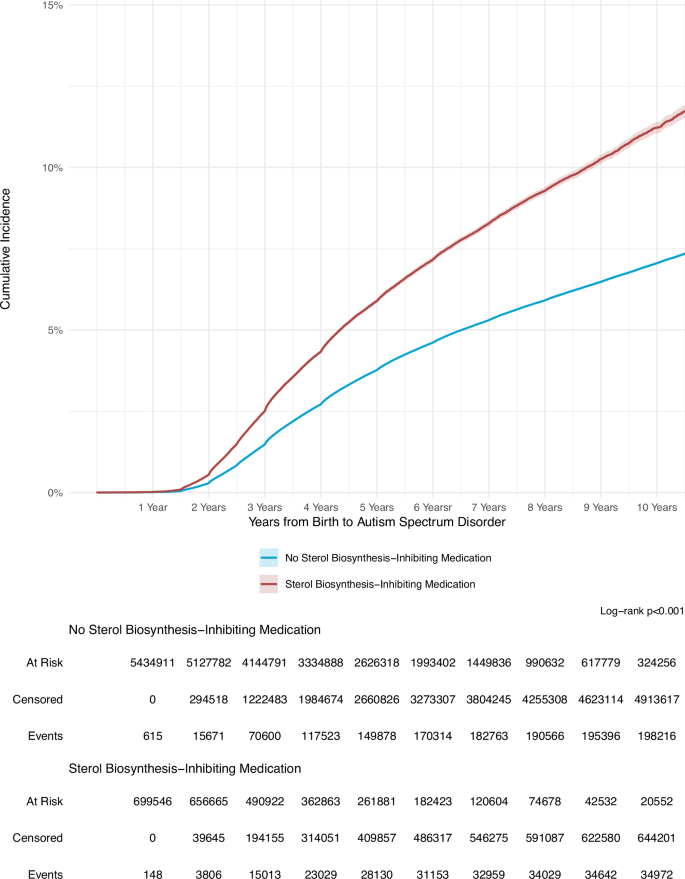
An analysis of 6.14 million maternal-child health records  has linked prescription medications...

Pilot Study: Fibromyalgia Fatigue Improved By TENS Therapy

Fibromyalgia is the term for a poorly-understood condition where people experience pain and fatigue...

User picture.
News StaffRSS Feed of this column.

News Releases From All Over The World, Right To You... Read More »

Blogroll

One of every nine infants in the United States is born early and, thus, with increased risk of cognitive difficulties, problems with motor skills, and attention deficit-hyperactivity disorder (ADHD), autism spectrum disorders and anxiety.

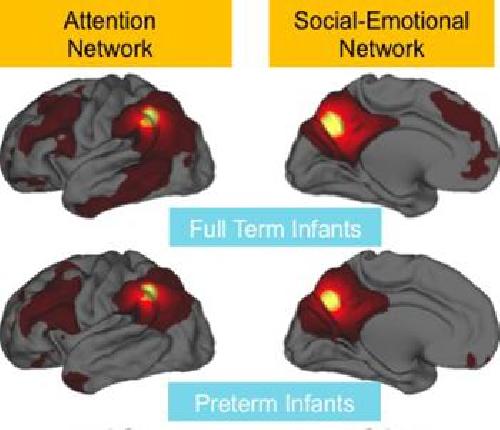
Babies born prematurely face an increased risk of neurological and psychiatric problems that may be due to weakened connections in brain networks linked to attention, communication and the processing of emotions, new research shows. 

Studying brain scans from premature and full-term babies, researchers zeroed in on differences in the brain that may underlie such problems.

Children with the genetic disorder tuberous sclerosis complex (TSC) often need epilepsy surgery for severe, uncontrollable seizures and a new study finds that seizure control is improved for patients undergoing more extensive surgery.

Seizures occurring in TSC are related to development of brain tumors, known as "tubers," that develop in this disorder. But the new study by Dr. Aria Fallah of Miami Children's Hospital and colleagues finds better outcomes when surgery includes the entire "epileptogenic zone" from which seizures are originating--not just the tuber itself.

Epilepsy Surgery for Tuberous Sclerosis--Study from Six Specialty Centers

The accuracy and reliability of expert advice is often compromised and needs to be interrogated with the same tenacity as research data to avoid weak and ill-informed policy, according to risk analysis scholars writing in Nature.

A threatened tree species in Alaska could serve as a model for integrating ecological and social research methods in efforts to safeguard species that are vulnerable to climate change effects and human activity.

In a new study, scientists assessed the health of yellow cedar, a culturally and commercially valuable tree that is experiencing climate change-induced dieback and that is found throughout coastal Alaska.

In an era when climate change threatens to touch every part of the globe, the traditional conservation approach of setting aside lands to protect biodiversity may no longer sufficient to protect species.

Cervical cancer is an "enormous burden" for Latin American society, and the third leading cause of cancer deaths among women in the region, say Drs. María Correnti and María Eugenia Cavazza of the Central University of Venezuela, Caracas, Venezuela. 

"In contrast to other types of cancer, cervical cancer is a preventable and curable disease if it is diagnosed and treated early," say Drs Correnti and Cavazza in an accompanying editorial.

"But the absence of an effective prevention strategy leads to delayed diagnosis, and turns it into one of the leading causes of death among young women."

It sounded ridiculous when Gina McCarthy claimed nature was fixing itself after they created a toxic waste disaster in Colorado but that future methane needed the EPA to halt it right now, yet science has again shown that nature is more resilient than political bodies think.

Biodiversity can often help protect ecosystems from extreme conditions, according to a study of 46 grasslands in North America and Europe. The results showed that increasing plant diversity decreased the extent to which extremely wet or dry conditions disrupt grassland productivity.