

 Synchrotron Could Shed Light On Exotic Dark Photons
There are many hypothetical particles proposed to explain dark matter and one idea to explore how...
 The Pain Scale Is Broken But This May Fix It
Chronic pain is reported by over 20 percent of the global population but there is no scientific...
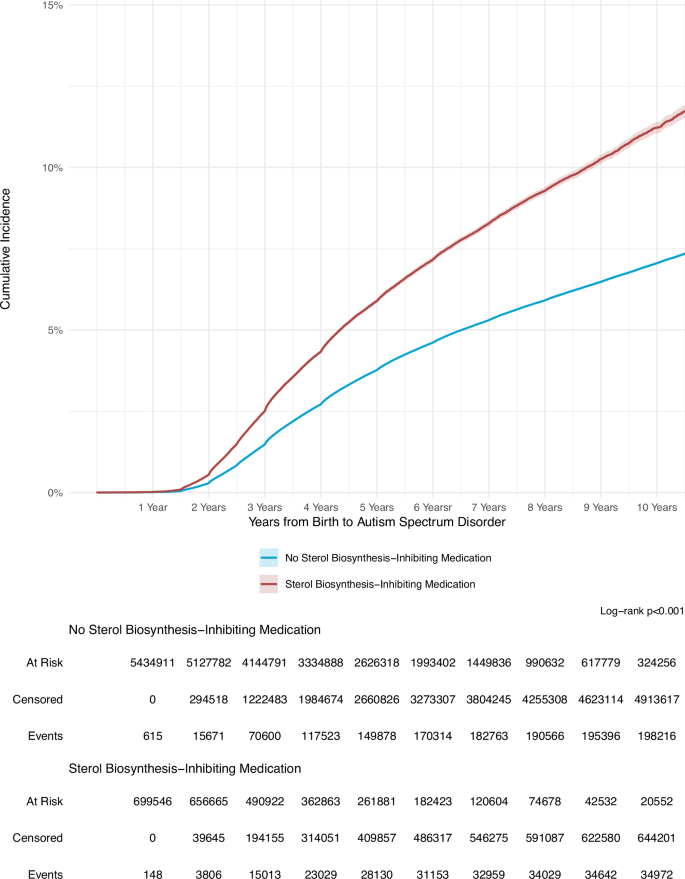 Study Links Antidepressants, Beta-blockers and Statins To Increased Autism Risk
An analysis of 6.14 million maternal-child health records has linked prescription medications...
 Pilot Study: Fibromyalgia Fatigue Improved By TENS Therapy
Fibromyalgia is the term for a poorly-understood condition where people experience pain and fatigue...

|
News Staff News Releases From All Over The World, Right To You... Read More » |
Blogroll |


 People who have social power are strongly influenced by internal body cues stemming from their motor system when making judgments about preferences of paintings, objects, movements or letter sequences, according to a new paper in the Journal of Experimental Psychology: General which looked at how the easiness of high power individuals' motor actions impacted their judgments.
 Mesoamerican Nephropathy, a mysterious kidney disease that has killed over 20,000 people in Central America, most of them sugar cane workers, may be caused by chronic, severe dehydration linked to global climate change, according to a new study by Richard J. Johnson, MD, of the University of Colorado Anschutz Medical Campus.



