Banner
Synchrotron Could Shed Light On Exotic Dark Photons

There are many hypothetical particles proposed to explain dark matter and one idea to explore how...

The Pain Scale Is Broken But This May Fix It

Chronic pain is reported by over 20 percent of the global population but there is no scientific...
Study Links Antidepressants, Beta-blockers and Statins To Increased Autism Risk

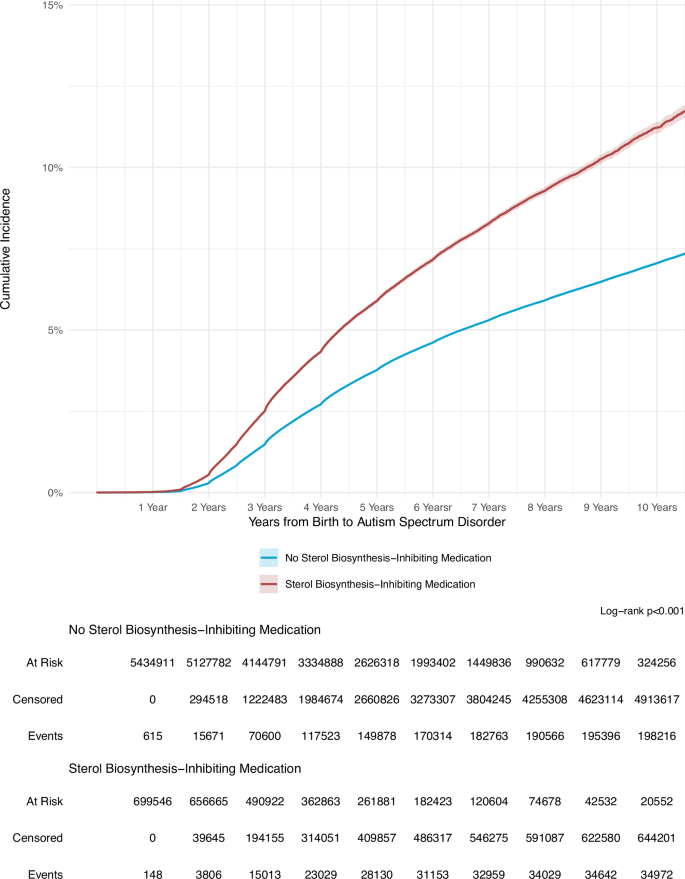
An analysis of 6.14 million maternal-child health records  has linked prescription medications...

Pilot Study: Fibromyalgia Fatigue Improved By TENS Therapy

Fibromyalgia is the term for a poorly-understood condition where people experience pain and fatigue...

User picture.
News StaffRSS Feed of this column.

News Releases From All Over The World, Right To You... Read More »

Blogroll

A new study of newborns treated with hypothermia for hypoxic-ischemic encephalopathy (HIE) - a condition that occurs when the brain is deprived of an adequate oxygen supply - confirms its neuroprotective effects on the brain.

Therapeutic hypothermia or targeted cooling of the brain is the first therapy for neuroprotection in neonates with HIE. Without treatment, these babies often develop cerebral palsy or other severe complications. World-wide, nearly one million babies will die and another million will be left with disabilities.

A new study shows that surface water temperature in the Chesapeake Bay is increasing more rapidly than air temperature, signaling a need to look at the impact of warming waters on one of the largest and most productive estuaries in the world. The study was completed by Haiyong Ding and Andrew Elmore of the University of Maryland Center for Environmental Science's Appalachian Laboratory.

"I was surprised that the pattern of increasing water temperature was so clear," said study co-author Andrew Elmore. "If you take any group of five years, they are generally warmer than the previous five years. A consistent warming trend happening over a really large portion of the Bay."

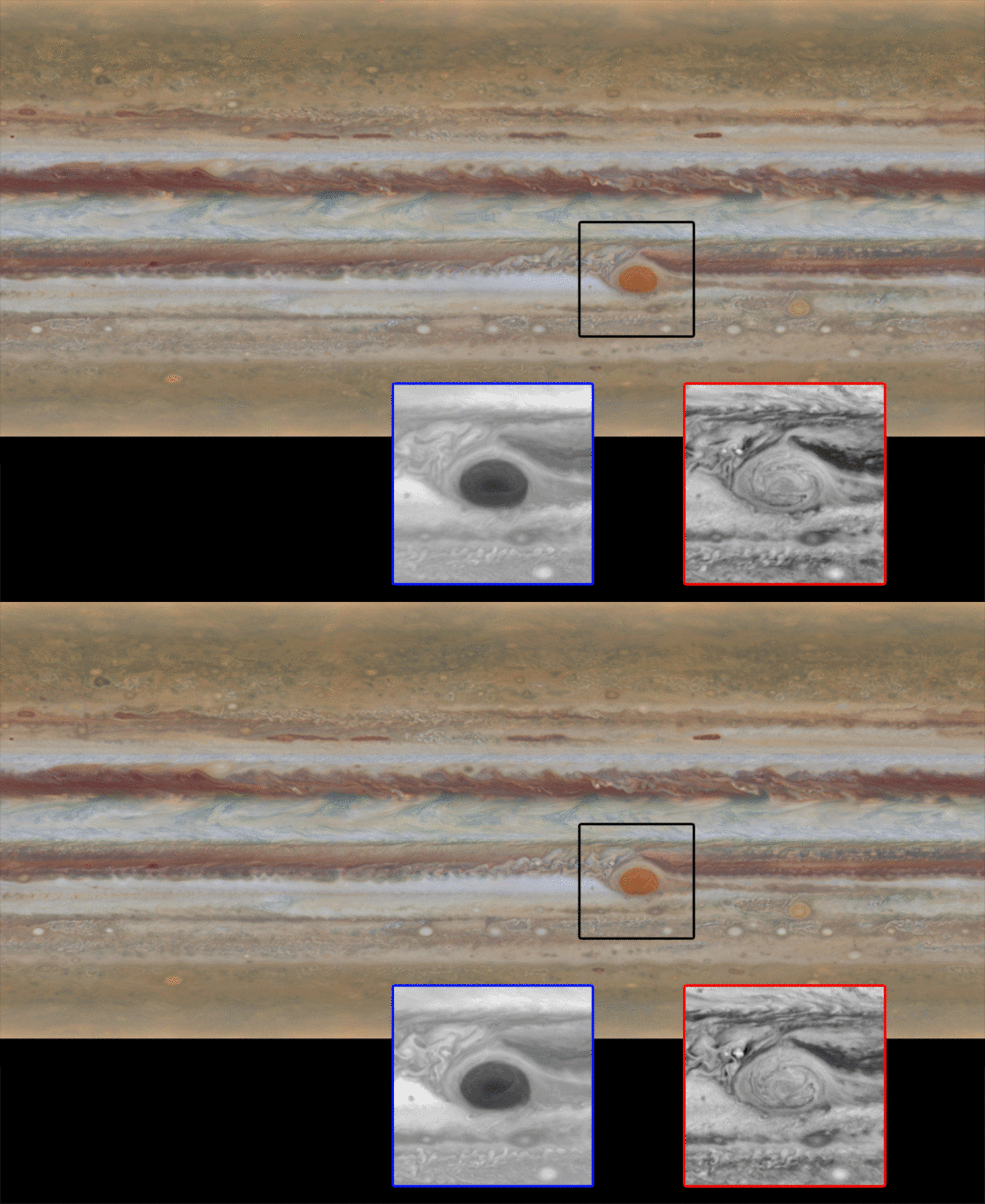
Scientists using NASA's Hubble Space Telescope have produced new maps of Jupiter -- the first in a series of annual portraits of the solar system's outer planets.

Collecting these yearly images -- essentially the planetary version of annual school picture days for children -- will help current and future scientists see how these giant worlds change over time. The observations are designed to capture a broad range of features, including winds, clouds, storms and atmospheric chemistry.

Already, the Jupiter images have revealed a rare wave just north of the planet's equator and a unique filamentary feature in the core of the Great Red Spot not seen previously.

Researchers have been able to watch the interior cells of a plant synthesize cellulose for the first time by tricking the cells into growing on the plant's surface.

"The bulk of the world's cellulose is produced within the thickened secondary cell walls of tissues hidden inside the plant body," says University of British Columbia Botany PhD candidate Yoichiro Watanabe, lead author of the paper published this week in Science.

"So we've never been able to image the cells in high resolution as they produce this all-important biological material inside living plants."

Much like the flapping of a windsock displays the quick changes in wind's speed and direction, called turbulence, comet tails can be used as probes of the solar wind - the constant flowing stream of material that leaves the sun in all directions.

According to new studies of a comet tail observed by NASA's Solar and Terrestrial Relations Observatory, or STEREO, the vacuum of interplanetary space is filled with turbulence and swirling vortices similar to gusts of wind on Earth. Such turbulence can help explain two of the wind's most curious features: its variable nature and unexpectedly high temperatures.

Scientists engineered stem cells to better understand the mechanisms behind a form of leukemia caused by changes in a key gene.

Past work had established that inherited changes in the DNA code for the gene PTPN11 cause Noonan syndrome, a genetic disease that comes with a high risk for the blood cancer called juvenile myelomonocytic leukemia (JMML). The mechanisms behind the disease, and what influences its severity, were unknown going into the current study.

In addition, the only current treatment for JMML, a bone marrow transplant to replace the hematopoietic stem cells that become blood cells, is effective in only 50 percent of patients. This has further spurred efforts to understand related disease mechanisms as a step toward designing better treatments.