

Banner
Synchrotron Could Shed Light On Exotic Dark Photons

There are many hypothetical particles proposed to explain dark matter and one idea to explore how...

The Pain Scale Is Broken But This May Fix It

Chronic pain is reported by over 20 percent of the global population but there is no scientific...
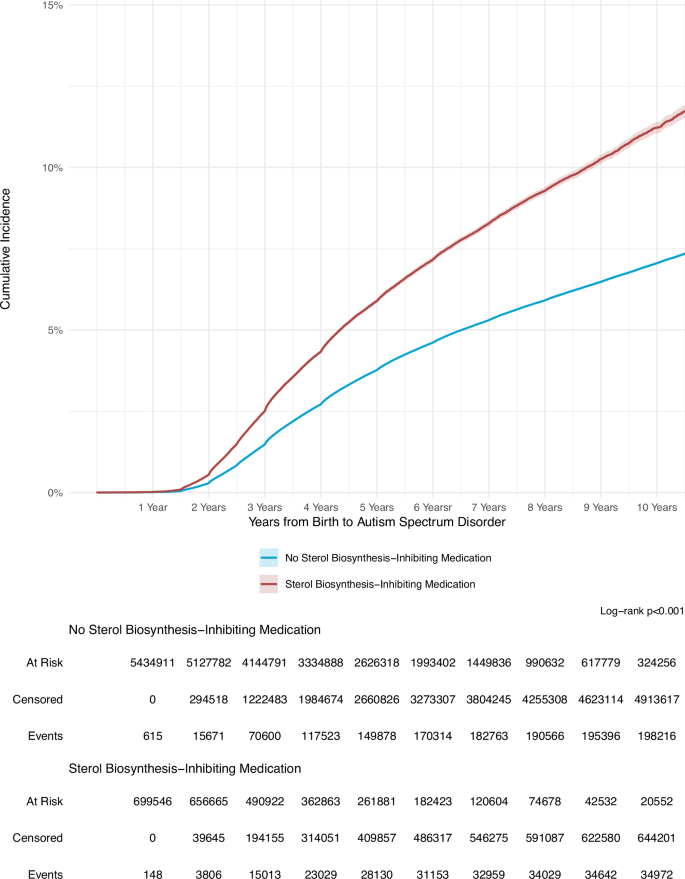
Study Links Antidepressants, Beta-blockers and Statins To Increased Autism Risk

An analysis of 6.14 million maternal-child health records  has linked prescription medications...

Pilot Study: Fibromyalgia Fatigue Improved By TENS Therapy

Fibromyalgia is the term for a poorly-understood condition where people experience pain and fatigue...

User picture.
News StaffRSS Feed of this column.

News Releases From All Over The World, Right To You... Read More »

Blogroll

Osteoporosis, a disease of progressive bone loss, affects 70 percent of the U.S. population older than age 50 - about 50 percent of women and 20 percent of men. These individuals are at risk for fragility fractures, a break that results from a fall, or occurs in the absence of obvious trauma, and most commonly seen in the wrist, the upper arm, the hip, and the spine.  

People who sustain a fragility fracture are at a higher risk for future fractures and face increasing treatment costs. According to a new study, anti-osteoporotic therapy, a treatment intended to increase bone mineral density and slow or stop the loss of bone tissue, can decrease the risk of subsequent fractures by 40 percent.  

A course on critical thinking has generated a new proposal to remove sources of bias in research and improve confidence in published studies.

Social science research got a black eye recently when the authors of several studies were shown to have manipulated data. But the more prevalent issue in the social sciences today is not actual fraud, but subtle and usually inadvertent bias that skews the conclusions of studies and often makes them unrepeatable.

Pioneering new research sheds light on the impact of climate change on subglacial lakes found under the Greenland ice sheet.

A team of experts, led by Dr Steven Palmer from the University of Exeter, has studied the water flow paths from one such subglacial lake, which drained beneath the ice sheet in 2011.

The study shows, for the first time, how water drained from the lake - via a subglacial tunnel. Significantly, the authors present satellite observations that show that a similar event happened in 1995, suggesting that this lake fills and drains periodically.

The study, called Subglacial lake drainage detected beneath the Greenland Ice Sheet is published in the journal Nature Communications.

Though activists want to retreat into the past and have less energy available for the public (which will impact the poor) a more progressive approach is to look to science and the future - but that will only work if there are stable policies in place.

Oddly, this progressive thinking is coming from energy corporations rather than environmentalists. A group of electricity corporations are creating a picture of a future high-tech energy mix that would help nations meet climate-related CO2 reduction pledges and the expanding demand for electricity.

Children's self-esteem is linked to the behaviour of who is considered the most powerful parent within the household, new University of Sussex research suggests.

The study of English and Indian families living in Britain is the first to assess the impact on a child's wellbeing of the household power structures that exist within different cultures.

Psychologists interviewed 125 English and Indian families living in West London.

They found that English children whose mothers displayed more negative parenting traits - such as detachment, intrusiveness, lax enforcement of discipline, and controlling behaviour - reported lower self-esteem. But, for Indian children, the father's behaviour had more of an impact.

One of biology's long-standing puzzles is how so many similar species can co-exist in nature. Do they really all fulfill a different role? Massive data on beetles now provide strong evidence for the idea that evolution can drive species into groups of look-a-likes that are functionally similar, according to a study by an international consortium of scientists led by Wageningen University, Netherlands.




