

Banner
Synchrotron Could Shed Light On Exotic Dark Photons

There are many hypothetical particles proposed to explain dark matter and one idea to explore how...

The Pain Scale Is Broken But This May Fix It

Chronic pain is reported by over 20 percent of the global population but there is no scientific...
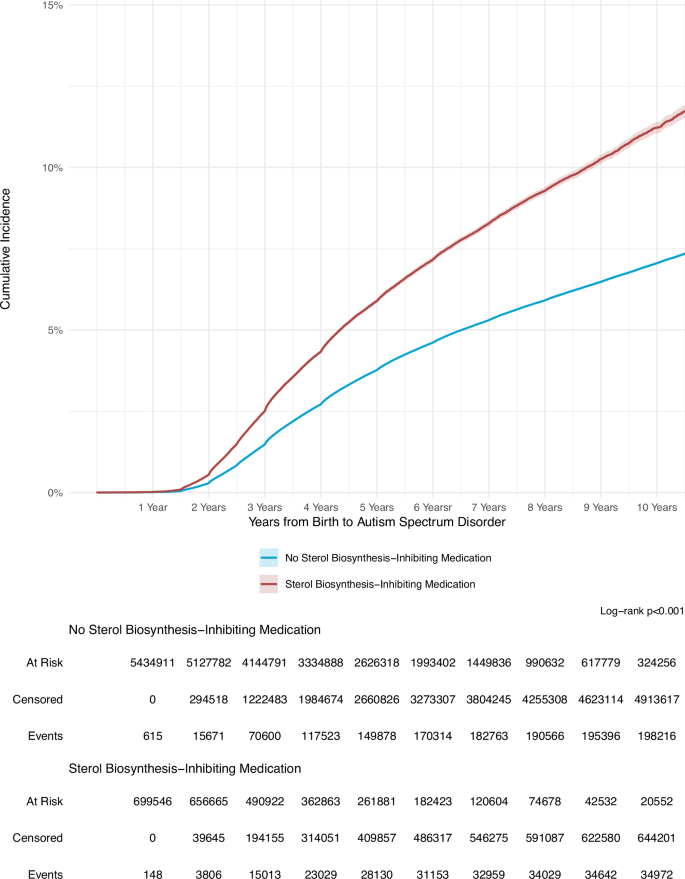
Study Links Antidepressants, Beta-blockers and Statins To Increased Autism Risk

An analysis of 6.14 million maternal-child health records  has linked prescription medications...

Pilot Study: Fibromyalgia Fatigue Improved By TENS Therapy

Fibromyalgia is the term for a poorly-understood condition where people experience pain and fatigue...

User picture.
News StaffRSS Feed of this column.

News Releases From All Over The World, Right To You... Read More »

Blogroll

Cigarette smoking and heavy alcohol use cause epigenetic changes to DNA that reflect accelerated biological aging in distinct, measurable ways, according to research presented at the American Society of Human Genetics (ASHG) 2015 Annual Meeting in Baltimore.

The popularity of ziplining has skyrocketed rapidly in recent years. The number of commercial ziplines in the U.S. rose from 10 in 2001 to more than 200 in 2012, in addition to more than 13,000 amateur ziplines which can be found in outdoor education programs, camps, and backyards. The increase in popularity has also increased the number of injuries related to ziplining. A new study by researchers in the Center for Injury Research and Policy of The Research Institute at Nationwide Children's Hospital found that an estimated 16,850 non-fatal zipline-related injuries were treated in U.S. emergency departments from 1997 through 2012.

Although children with high health care needs represent a small percentage of the overall pediatric population, they account for a large percentage of pediatric health care costs, including up to 40% of pediatric hospital charges. In recent years, there has been more information available about the medical care received by these children, but generally studies have been limited to care provided in hospital settings.

Physicians' unconscious attitudes toward special patient populations like disabled and LGBT patients may be partially responsible for poorer overall health observed in these communities, according to a Rowan University professor of family medicine.

Physicians' reluctance to discuss disabilities, sex, work and independence with disabled patients, who comprise nearly 20 percent of Americans, deprives patients of high quality care by leaving important health concerns unaddressed, said Joshua Coren, DO. Primary care providers frequently fail to discuss contraception, sexually transmitted diseases, emotional health and basic wellness concerns like diet, exercise, smoking and alcohol use with patients who have disabilities, Dr. Coren added.

New research suggests that upper limb amputees, who typically struggle to learn how to use a new prosthesis, would be more successful if fellow amputees taught them.

Most usually learn by watching a non-amputee demonstrate the device during physical therapy and rehabilitation sessions but a Georgia Institute of Technology study that measured arm movements and analyzed brain patterns found that people do better when they learn from someone who looks like them. 

A significant proportion of medical treatment decisions are not clear-cut. How can patients and doctors know is better for a specific patient -- medication or surgery, therapy, or even no treatment? If medication, which class of drugs? If surgery, what type of surgery?  

Presenting and discussing a menu of treatment options is good for both the patient and the physician according to Regenstrief Institute and VA Center for Health Communication and Information investigator Kurt Kroenke, M.D., writing in a commentary in the Sept. 28 issue of JAMA Internal Medicine.


