

Banner
Synchrotron Could Shed Light On Exotic Dark Photons

There are many hypothetical particles proposed to explain dark matter and one idea to explore how...

The Pain Scale Is Broken But This May Fix It

Chronic pain is reported by over 20 percent of the global population but there is no scientific...
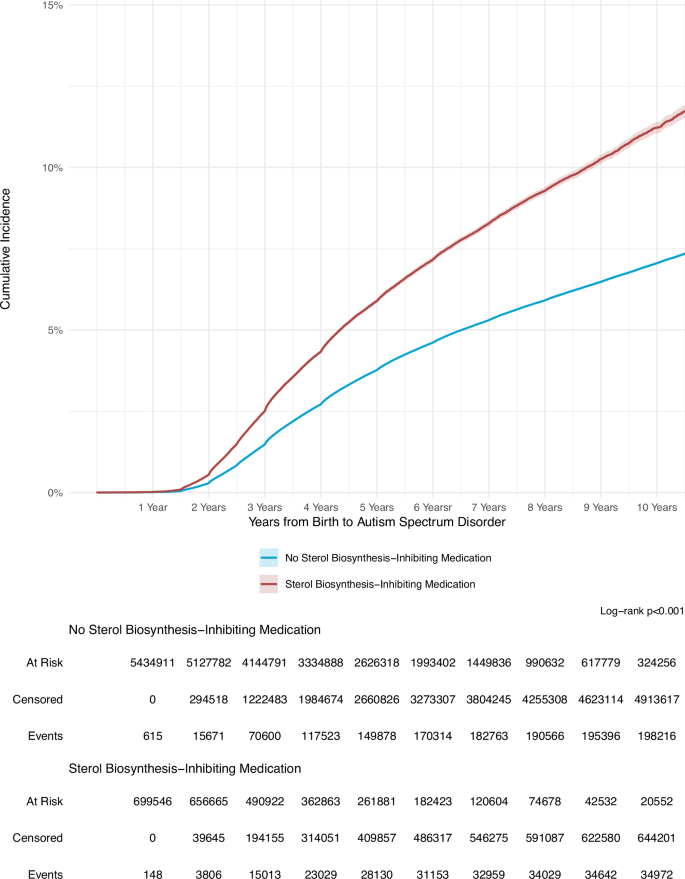
Study Links Antidepressants, Beta-blockers and Statins To Increased Autism Risk

An analysis of 6.14 million maternal-child health records  has linked prescription medications...

Pilot Study: Fibromyalgia Fatigue Improved By TENS Therapy

Fibromyalgia is the term for a poorly-understood condition where people experience pain and fatigue...

User picture.
News StaffRSS Feed of this column.

News Releases From All Over The World, Right To You... Read More »

Blogroll

If you've ever waited on an airport runway for your plane to be de-iced, had to remove all your food so the freezer could defrost, or arrived late to work because you had to scrape the sheet of ice off your car windshield, you know that ice can cause major headaches. 

In a new study, Nikola-Michael Prpic et al. have identified the driving force behind the evolution of a leg novelty first found in spiders: knees.  

With eight hairy legs and seven joints on each---that's a lot of joints for a spider to coordinate in order to take even a single step. To find some answers, Prpic's research team honed in on a gene called dachshund (dac). The gene was first discovered in fruit flies, and the discoverers named the missing leg segments and shortened legs that result from dac mutant flies after the short-legged dog breed of the same name. 

In pop culture, conspiracy believers like FBI agent Fox Mulder on The X Files or professor Robert Langdon in The Da Vinci Code tend to reject the notion of coincidence or chance; even the most random-seeming events are thought to result from some sort of intention or design. 

Psychologists have suggested that such a bias against randomness may explain real-world conspiracy beliefs but new research from psychologists at the University of Fribourg and the University of Paris-Saint-Denis shows no evidence for a link between conspiracist thinking and perceptions of order, design, or intent.

The rising cost of treating and caring for a growing number of cancer patients threatens economic development in low and middle income countries (LMICs), making prevention a key element of health care plans, according to a new commentary.

Authored by researchers from the International Agency for Research on Cancer (IARC), the American Cancer Society, and Imperial College of London, the commentary says in the absence of the implementation of prevention, LMICs will not have the resources to diagnose and treat all new cancer patients, and the economic burden will soon become unsustainable. The commentary appears in the Journal of the National Cancer Institute (JNCI).

Residents of Copenhagen, Denmark, are more likely than Houstonians to believe immigration threatens their country's culture. That's one of several findings in a new survey from Rice University's Kinder Institute for Urban Research.

Unlike ales, lager beers differ little in flavor. But now, by creating new crosses among the relevant yeasts, Kevin Verstrepen, PhD, Stijn Mertens, and their collaborators have opened up new horizons of taste. 

The relative uniformity of flavor among lagers turned out to result in significant part from a lack of genetic diversity among the yeasts. Genetic studies showed that lager yeasts had resulted from just two crosses between the parent yeasts, Saccharomyces cerevisiae, and S. eubayanus. The problem was that the two yeast species are so different--like lions and tigers--as to make successful crosses rare.





