

Banner
Synchrotron Could Shed Light On Exotic Dark Photons

There are many hypothetical particles proposed to explain dark matter and one idea to explore how...

The Pain Scale Is Broken But This May Fix It

Chronic pain is reported by over 20 percent of the global population but there is no scientific...
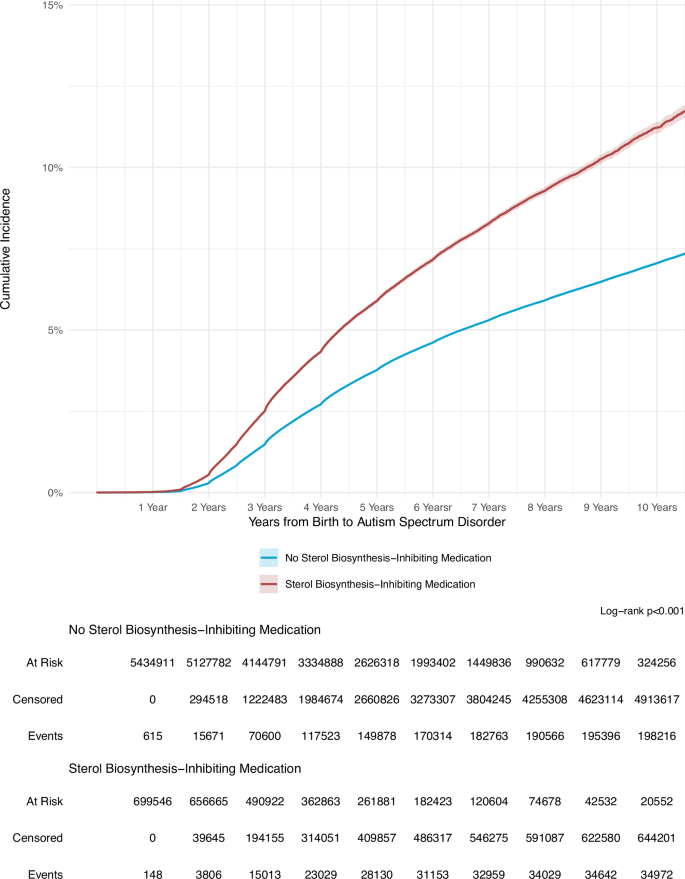
Study Links Antidepressants, Beta-blockers and Statins To Increased Autism Risk

An analysis of 6.14 million maternal-child health records  has linked prescription medications...

Pilot Study: Fibromyalgia Fatigue Improved By TENS Therapy

Fibromyalgia is the term for a poorly-understood condition where people experience pain and fatigue...

User picture.
News StaffRSS Feed of this column.

News Releases From All Over The World, Right To You... Read More »

Blogroll

Rose gardeners have a lot to say about aphids. Some may advise insecticides as a way to manage an infestation, but others will swear by live ladybugs (natural predators of aphids). The latter is more environmental friendly, and once the ladybugs run out of food to eat, they move on.

While this strategy may work in someone's backyard, it's not an option on a large farm. In an October 4 Trends in Plant Science Opinion paper, agricultural researchers in Sweden and Mexico argue that one way around the scalability problem is to bring back the odors and nectars found in wild plants that attract pest-eating predators. This could be done either through breeding programs or by using artificial devices.

Chocolate chip cookies are nearly universally adored. People like them in all sorts of textures, sizes and tastes. So how can you make your perfect cookie? Using science, of course. October 1 was National Homemade Cookies Day, so for this week's Reactions episode, so American Chemical Society partnered with Science News magazine's Bethany Brookshire (@scicurious) to take a bite out of baking with the scientific method.

Proponents of climate change tend to use more conservative, tentative language to report on the science behind it, while skeptics use more emotional and assertive language when reinterpreting scientific studies, says research from the University of Waterloo.

Tentative language would include words such as "possible," "probable" or "might." The terms "alarmist" and "wrong" are examples of emotional language.

Lung cancer screening programs that utilize standardized reporting and include cardiothoracic surgeons as part of a multidisciplinary team can successfully be adopted into clinical practice without an increase in surgical intervention for non-cancerous disease, according to an article in the October 2015 issue of The Annals of Thoracic Surgery.

Key points

  • Lung cancer screening programs can be safely and effectively adopted in clinical practice with low rates of surgical intervention for non-cancerous disease

  • Surgical intervention for a non-cancer diagnosis was rare, at 0.24%, which is comparable to the National Lung Screening Trial.

  • To better understand global weather patterns and increase scientific collaboration between the U.S. and India, researchers supported by the Office of Naval Research (ONR) have completed a month-long cruise studying summer monsoon conditions in the Bay of Bengal.

    Summer, or southwest, monsoons are moisture-soaked seasonal winds that bring critical rainfall to the Indian subcontinent during the June-September wet season. An abundant season provides sustaining rainfall that replenishes water reservoirs and reaps bountiful crop harvests. By contrast, a weak season could lead to drought, soaring food prices and a battered economy.

    Whether or not a coastal city floods during a hurricane depends on the storm, tide and sea level, and now a team of climate scientists show that the risk of New York City flooding has increased dramatically during the industrial era as a result of human-caused climate change. During "SuperStorm" Sandy in the fall of 2012 most of New York City's transportation tunnels flooded and the storm surge breached the sea walls on the southern tip of Manhattan Island at Battery Park, flooding subway tunnels.

     The strength of the surge is not just dependent on the storm's force, but also on the size of the storm, the state of the tides and sea level.






