Banner
Synchrotron Could Shed Light On Exotic Dark Photons

There are many hypothetical particles proposed to explain dark matter and one idea to explore how...

The Pain Scale Is Broken But This May Fix It

Chronic pain is reported by over 20 percent of the global population but there is no scientific...
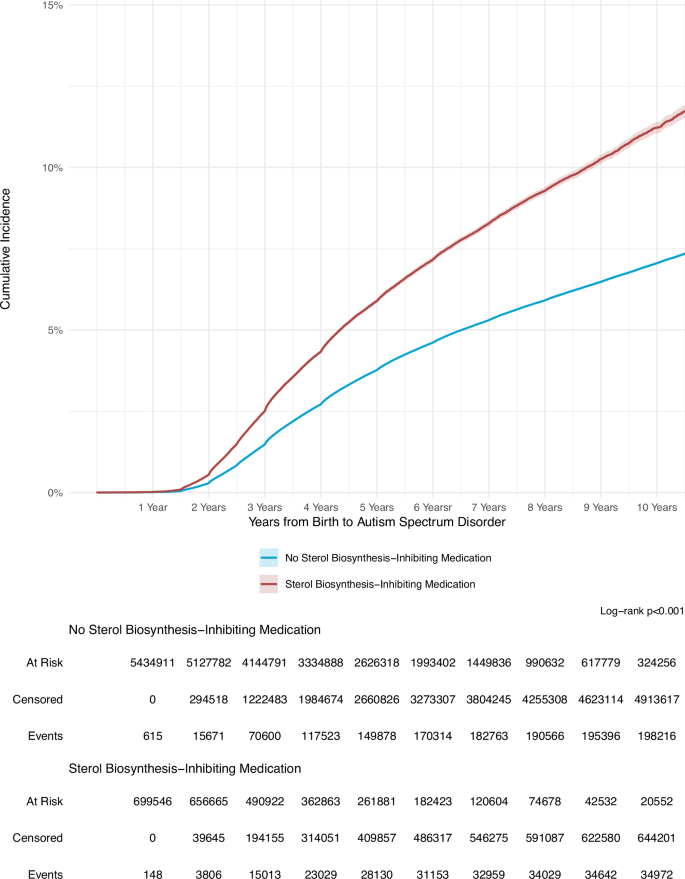
Study Links Antidepressants, Beta-blockers and Statins To Increased Autism Risk

An analysis of 6.14 million maternal-child health records  has linked prescription medications...

Pilot Study: Fibromyalgia Fatigue Improved By TENS Therapy

Fibromyalgia is the term for a poorly-understood condition where people experience pain and fatigue...

User picture.
News StaffRSS Feed of this column.

News Releases From All Over The World, Right To You... Read More »

Blogroll

Everyone knows that exercise improves health, and ongoing research continues to uncover increasingly detailed information on its benefits for metabolism, circulation, and improved functioning of organs such as the heart, brain, and liver. With this knowledge in hand, scientists may be better equipped to develop "exercise pills" that could mimic at least some of the beneficial effects of physical exercise on the body.

A review of current development efforts in Trends in Pharmacological Sciences, ponders whether such pills will achieve their potential therapeutic impact, at least in the near future.

Glioblastoma is an aggressive brain cancer that kills two-thirds of patients within five years. A patient's outlook with recurrence of the disease is considered to be weeks or months.

An experimental gene therapy essentially doubled the overall survival of patients with recurrent glioblastoma compared to the current standard of care, a researcher said October 1st at the Cancer Therapy&Research Center (CTRC) at The University of Texas Health Science Center at San Antonio. 

Strategic voting is an important factor in Canadian electoral campaigns. "People vote strategically when they think neither their first nor their second choice has any chance of winning in their electorate. They vote for their third choice party in the hopes of blocking an outcome that would be even worse," said Jean-François Daoust, a researcher at the University of Montreal's Department of Political Science who studied the phenomenon as part of his doctoral work. He was directed by André Blais, who holds the university's Research Chair for Electoral Studies, and his findings, which drew on Quebec's 2012 provincial elections, were recently published in Politiques et sociétés.

Humans have been breeding crops until they're bigger and more nutritious since the early days of agriculture, but genetic manipulation isn't the only way to give plants a boost. In a review paper, two integrative biologists present how it is possible to engineer the plant soil microbiome to improve plant growth, even if the plants are genetically identical and cannot evolve. 

These artificially selected microbiomes, which can also be selected in animals, can then be passed on from parents to offspring.

People tend to associate the ability to think creatively with stereotypical masculine qualities, according to a paper in Psychological Science, which suggests that the work and achievements of men tend to be evaluated as more creative than similar work and achievements produced by women.

Research suggests that when people think about "creative thinkers" they tend to think of characteristics typically ascribed to men but not women, including qualities like risk-taking, adventurousness, and self-reliance. Lead author Devon Proudfoot of the Fuqua School of Business at Duke University and colleagues Aaron Kay and Christy Zoval hypothesized that this could ultimately lead people to view creative thinking as an ability more common among men than women.

A new analysis leads the authors to advance the belief that viruses are living entities that share a long evolutionary history with cells, based on a method for tracing viral evolution back to a time when neither viruses nor cells existed in the forms recognized today.

Until now, viruses have been difficult to classify, said University of Illinois crop sciences and Carl R. Woese Institute for Genomic Biology professor Gustavo Caetano-Anollés, who led the new analysis with graduate student Arshan Nasir. In its latest report, the International Committee on the Taxonomy of Viruses recognized seven orders of viruses, based on their shapes and sizes, genetic structure and means of reproducing.