

Banner
Synchrotron Could Shed Light On Exotic Dark Photons

There are many hypothetical particles proposed to explain dark matter and one idea to explore how...

The Pain Scale Is Broken But This May Fix It

Chronic pain is reported by over 20 percent of the global population but there is no scientific...
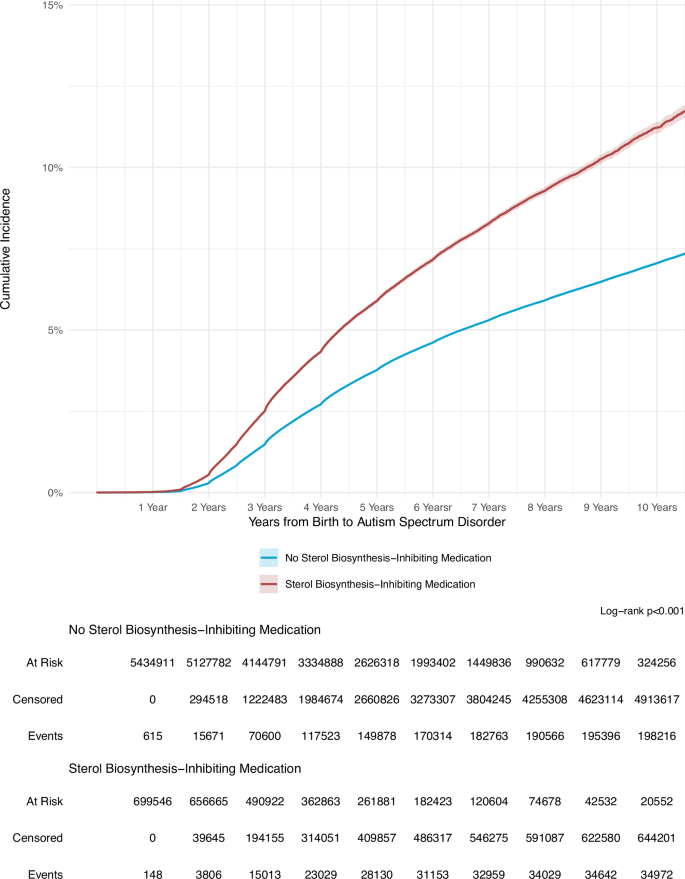
Study Links Antidepressants, Beta-blockers and Statins To Increased Autism Risk

An analysis of 6.14 million maternal-child health records  has linked prescription medications...

Pilot Study: Fibromyalgia Fatigue Improved By TENS Therapy

Fibromyalgia is the term for a poorly-understood condition where people experience pain and fatigue...

User picture.
News StaffRSS Feed of this column.

News Releases From All Over The World, Right To You... Read More »

Blogroll

Patients with advanced gastrointestinal neuroendocrine tumors (NETs) have limited treatment options and there are few oncologists who are specialized in this relatively rare disease. But now results from a multi-center randomized international trial of an innovative treatment show a marked improvement in the length of time patients with mid-gut NETs live without the disease getting worse (progression-free survival, or PFS), researchers reported to the 2015 European Cancer Congress.

Current national guidelines on the diagnosis of miscarriage may still be associated with misdiagnoses, and should be reviewed in light of new evidence, suggests a study published in The BMJ today.

The Royal College of Obstetrics and Gynaecologists (RCOG) guidelines recommend a miscarriage diagnosis based on an ultrasound scan measurement of the gestational sac diameter (GSD) and the embryo's crown-rump length (CRL).

Guidelines on the cut off values for these measurements were updated in 2011 following concerns that the older recommendations were based on inadequate evidence and leading to misdiagnoses. These changes have been shown to be safe, according to a new study by Professor Tom Bourne at Imperial College London and colleagues.

Black rice has a rich cultural history; called "Forbidden" or "Emperor's" rice, it was reserved for the Emperor in ancient China and used as a tribute food. In the time since, it remained popular in certain regions of China and recently has become prized worldwide for its high levels of antioxidants.

Despite its long history, the origins of black rice have not been clear. Black rice cultivars are found in locations scattered throughout Asia. However, most cultivated rice (species Oryza sativa) produces white grains, and the wild relative Oryza rufipogon has red grains.

The expert report underpinning the latest dietary guidelines for Americans fails to reflect much relevant scientific literature in its reviews of crucial topics and therefore risks giving a misleading picture.

Concern about the report has prompted the US Congress to schedule a hearing on the guidelines in October, when two cabinet secretaries are scheduled to testify, writes journalist Nina Teicholz in an article published today.

At a Chevron oil refinery in Hawaii, researchers are growing microalgae in a 5,000-liter photobioreactor, flowing wastewater from the refinery through the reactor, and taking advantage of the algae's appetite for chemical nutrients to polish the water, removing noxious chemicals, including 90% of the ammonia-nitrogen and 97% of the phosphorus.

As the microbes feed, they grow and multiply, providing a wealth of algae-based biomass for producing bioenergy and high-value biobased chemicals and specialty products, as described the article "Algae-Mediated Valorization of Industrial Waste Streams" in Industrial Biotechnology.

As much as 47 percent of the edible U.S. seafood supply is lost each year, mainly from consumer waste, according to a paper in Global Environmental Change, which takes advantage of a recent spotlight on the sustainability of the world's seafood resources.

 The 2010 U.S. Dietary Guidelines recommended increasing seafood consumption to eight ounces per person per week and consuming a variety of seafood in place of some meat and poultry. Yet achieving those levels would require doubling the U.S. seafood supply, which could threaten the global seafood supply if more farming and less waste are not considered.




