

Banner
Synchrotron Could Shed Light On Exotic Dark Photons

There are many hypothetical particles proposed to explain dark matter and one idea to explore how...

The Pain Scale Is Broken But This May Fix It

Chronic pain is reported by over 20 percent of the global population but there is no scientific...
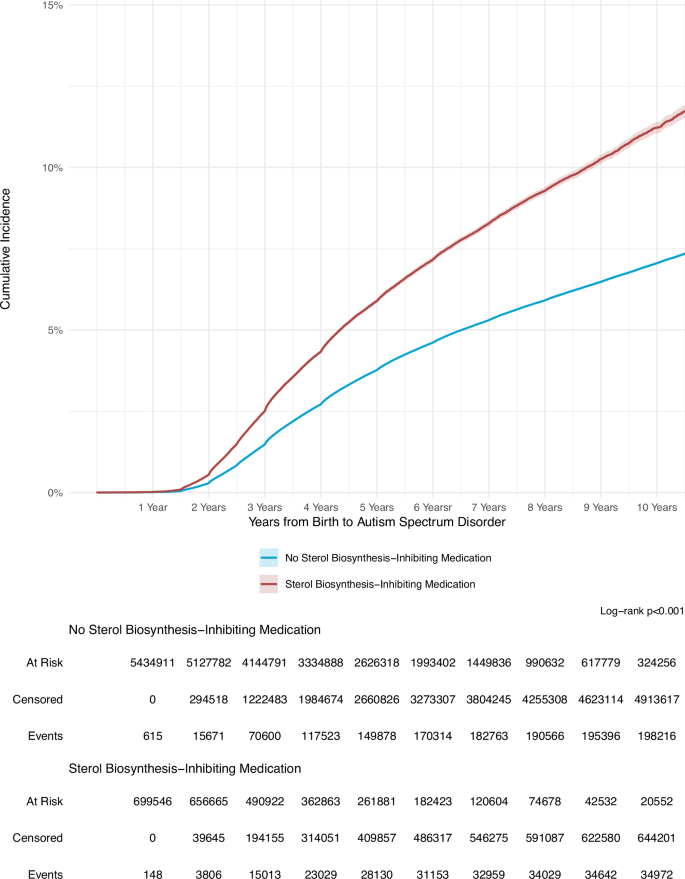
Study Links Antidepressants, Beta-blockers and Statins To Increased Autism Risk

An analysis of 6.14 million maternal-child health records  has linked prescription medications...

Pilot Study: Fibromyalgia Fatigue Improved By TENS Therapy

Fibromyalgia is the term for a poorly-understood condition where people experience pain and fatigue...

User picture.
News StaffRSS Feed of this column.

News Releases From All Over The World, Right To You... Read More »

Blogroll

A new robot is capable of reacting quickly and catching objects with complex shapes, like bottles and tennis rackets, in less than 5/100ths of a second.

The robot arm measures about 1.5 meters long, has three joints and a hand with four fingers. It was programmed at the Learning Algorithms and Systems Laboratory at
Ecole Polytechnique Fédérale de Lausanne
 (LASA) and designed to test robotic solutions for capturing moving objects.

Researchers have identified several target molecules which are suitable for the development of new allergy drugs. The Journal of Allergy and Clinical Immunology, the most prestigious journal in the field of allergology, has recently published an extensive review article on the prospects of drug therapy for allergy. Completed in a large-scale EU project, the lead author of the review article is Professor Ilkka Harvima of the University of Eastern Finland and Kuopio University Hospital.

At the surface, Antarctica is a motionless and frozen landscape. Yet hundreds of miles down the Earth is moving at a rapid rate, new research has shown.

The study, led by Newcastle University, UK, and published this week in Earth and Planetary Science Letters, explains for the first time why the upward motion of the Earth's crust in the Northern Antarctic Peninsula is currently taking place so quickly.

Previous studies have shown the earth is 'rebounding' due to the overlying ice sheet shrinking in response to climate change. This movement of the land was understood to be due to an instantaneous, elastic response followed by a very slow uplift over thousands of years.

While most of Antarctica is remaining cold, rapid increases in summer ice melt, glacier retreat and ice shelf collapses are being observed in Antarctic Peninsula, where the stronger winds passing through Drake Passage are making the climate warm exceptionally quickly.

Until this study, published in Nature Climate Change, Antarctic climate observations were available only from the middle of last century.

By analysing ice cores from Antarctica, along with data from tree rings and lakes in South America, Dr Abram and her colleagues were able to extend the history of the westerly winds back over the last millennium.

"The Southern Ocean winds are now stronger than at any other time in the past 1,000 years," Abram said.

Eating more fruits and vegetables may reduce the risk of stroke worldwide, according to new research in the American Heart Association's journal Stroke.

Researchers conducted a meta-analysis of 20 studies published over the last 19 years to assess the effects of fruit and vegetable consumption on risk of stroke globally. The combined studies involved 760,629 men and women who had 16,981 strokes.

Stroke risk decreased by 32 percent with every 200 grams of fruit consumed each day and 11 percent with every 200 grams of vegetables consumed each day.

(SACRAMENTO, Calif.) — Children with autism experience deficits in a type of immune cell that protects the body from infection. Called granulocytes, the cells exhibit one-third the capacity to fight infection and protect the body from invasion compared with the same cells in children who are developing normally.

The cells, which circulate in the bloodstream, are less able to deliver crucial infection-fighting oxidative responses to combat invading pathogens because of dysfunction in their tiny energy-generating organelles, the mitochondria.

The study is published online in the journal Pediatrics.


