

Banner
Synchrotron Could Shed Light On Exotic Dark Photons

There are many hypothetical particles proposed to explain dark matter and one idea to explore how...

The Pain Scale Is Broken But This May Fix It

Chronic pain is reported by over 20 percent of the global population but there is no scientific...
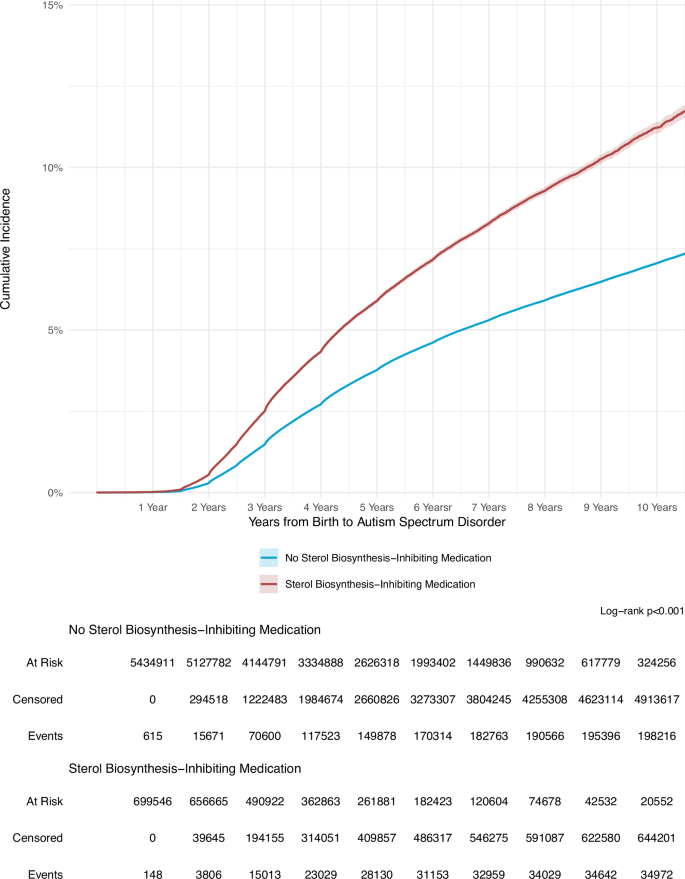
Study Links Antidepressants, Beta-blockers and Statins To Increased Autism Risk

An analysis of 6.14 million maternal-child health records  has linked prescription medications...

Pilot Study: Fibromyalgia Fatigue Improved By TENS Therapy

Fibromyalgia is the term for a poorly-understood condition where people experience pain and fatigue...

User picture.
News StaffRSS Feed of this column.

News Releases From All Over The World, Right To You... Read More »

Blogroll

University of Illinois researchers have developed materials that not only heal, but regenerate - and not just tiny microscopic cracks, large cracks and holes. All by regrowing material.

The regenerating capabilities build on the team's previous work in developing vascular materials. Using specially formulated fibers that disintegrate, the researchers can create materials with networks of capillaries inspired by biological circulatory systems.

Such self-repair capabilities would be a boon not only for commercial
goods – imagine a mangled car bumper that repairs itself within minutes of an accident – but also for parts and products that are difficult to replace or repair, such as those used in aerospace applications.

The rind is the boundary layer between a cheese and the environment. It hosts a variety of microorganisms that comprise the microbiome, a symbiotic community whose members perform different tasks.

Some break down proteins and fats on the rind, creating volatile sulfur and ammonia compounds that are responsible for the intensive odor of some types of cheese. 

There are different curing methods for cheese. Some, like Limburger, Tilsiter and Appenzeller, need specific bacteria on their rinds. Others, like Camembert and Brie, develop their aroma with the assistance of molds. 


Vorarlberger Bergkäse - a model cheese

All those happy couples you see walking around in the throes of new love? It won't last...but the effects of love and romance do, say psychologists in a Journal of Personality (DOI: 10.1111/jopy.12102)
 article.

The authors focused on neuroticism – one of the five characteristics some psychologists use as basic dimensions of human personality which can be used to characterize every human being.

"Neurotic people are rather anxious, insecure, and easily annoyed. They have a tendency towards depression, often show low self-esteem and tend to be generally dissatisfied with their lives," Dr. Christine Finn explains. "However, we were able to show that they become more stable in a love relationship, and that their personality stabilizes." 

Sea levels are always changing, they always have. We can't count how many glaciers there are because the number is different every year. But the big question is if sea level rise is inceasing or, worse, accelerating.

A new model may help figure out if sea levels might rise around the world throughout the 21st century and if the rate of sea level rise is currently increasing.

An international team of researchers analyzed data from 10 long-term sea level monitoring stations located around the world. They looked into the future to identify the timing at which sea level accelerations might first be recognized in a significant manner. 

In a new paper,  researchers used animal models to show that the fragile X mental retardation protein, or FMRP, plays a critical role in the development of addiction-related behaviors. FMRP is also the protein that is missing in Fragile X Syndrome, the leading single-gene cause of autism and intellectual disability.

Consistent with its important role in brain function, the team found that cocaine utilizes FMRP to facilitate brain changes involved in addiction-related behaviors. 

A study of healthy senior men has found that endurance exercise confers benefits on the heart irrespective of the age at which they began training.

The report
by David Matelot, from the Inserm 1099 unit in Rennes
at the EuroPRevent congress 2014 in Amsterdam, said the benefits were evident and comparable in those who had started training before the age of 30 or after the age of 40. As a result, 40 is not too old to start endurance training.


