Banner
Synchrotron Could Shed Light On Exotic Dark Photons

There are many hypothetical particles proposed to explain dark matter and one idea to explore how...

The Pain Scale Is Broken But This May Fix It

Chronic pain is reported by over 20 percent of the global population but there is no scientific...
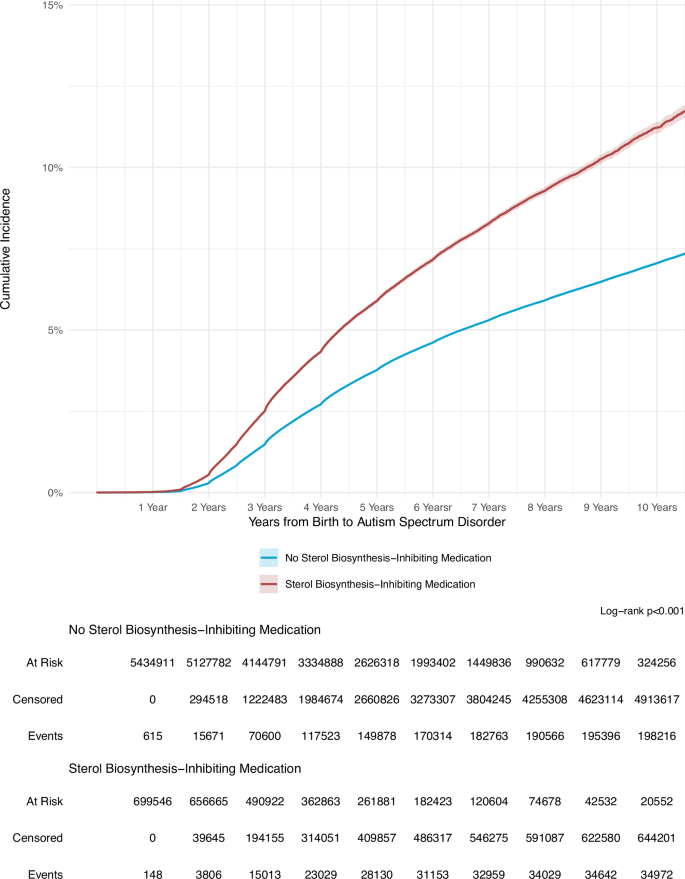
Study Links Antidepressants, Beta-blockers and Statins To Increased Autism Risk

An analysis of 6.14 million maternal-child health records  has linked prescription medications...

Pilot Study: Fibromyalgia Fatigue Improved By TENS Therapy

Fibromyalgia is the term for a poorly-understood condition where people experience pain and fatigue...

User picture.
News StaffRSS Feed of this column.

News Releases From All Over The World, Right To You... Read More »

Blogroll

The modern world of Big Data increasingly requires knowledge of statistics and biologists are scrambling to master that along with all of the expertise needed to solve mysteries of nature.

A new statistical framework could help, according to a new paper, because it can substantially increase the power of genome-wide association studies (GWAS) to detect genetic influences on human disease.

Despite the proliferation of
genome-wide association studies
, the associations found so far have largely failed to account for the known effects of genes on complex disease — the problem of "missing heritability." Standard approaches also struggle to find combinations of multiple genes that affect disease risk in complex ways, known as genetic interactions.

The climate hockey stick, a popular visual metaphor for climate change, has received considerable attention. It depicts a slightly cooling trend in the Northern Hemisphere from 1000 A.D. until 1900 A.D. and then swings sharply upward in the last 80 years. It was created using tree ring data for the older timeframes but not recently - after 1960, tree ring data showed a cooling trend so it was replaced.

Clearly that was not correct but if tree rings don't detect the modern warming trend, they might also have 'missed' warming episodes in the past - we know that the climate is not cooler now, that is not the issue, but if tree ring proxies are unreliable, it casts doubt on the whole onus of media and IPCC accounts since 2001.

Synchrotron-imaging techniques have shed new light, literally, on the healing process that took place when dinosaurs were still alive. 

They examined the cracks, fractures and breaks in the bones of a 150 million-year-old predatory dinosaur - possible because dinosaur bones occasionally preserve evidence of trauma, sickness and the subsequent signs of healing.

Diagnosis of such fossils used to rely on the grizzly inspection of gnarled bones and healed fractures, often entailing slicing through a fossil to reveal its cloying secrets. But the synchrotron-based imaging, which uses light brighter than 10 billion Suns, meant the team could tease out the chemical ghosts lurking within the preserved dinosaur bones.

Yellow fever, an acute viral disease, is estimated to have been responsible for 78,000 deaths in Africa in 2013 according to new research published in PLOS Medicine this week. The research by Neil Ferguson from Imperial College London, UK and colleagues from Imperial College, WHO and other institutions also estimates that recent mass vaccination campaigns against yellow fever have led to a 27% decrease in the burden of yellow fever across Africa in 2013.

A newly discovered "hypervelocity star" is the closest, second-brightest and among the largest found so far. It is speeding at more than 1 million mph and may provide clues about the supermassive black hole at the center of our Milky Way. Also, add in the obligatory "dark matter" reference.

Hypervelocity stars appear to be remaining pairs of binary stars that once orbited each other and got too close to the supermassive black hole at the galaxy's center. Intense gravity from the black hole – which has the mass of 4 million stars like our sun – captures one star so it orbits the hole closely, and slingshots the other on a trajectory headed beyond the galaxy.

Synthetic Genomics announceda multi-year research and development agreement with Lung Biotechnology to develop humanized pig organs using synthetic genomic advances. The collaboration will focus upon developing organs for human patients in need of transplantation, with an initial focus on lung diseases. 

In the United States alone, about 400,000 people die annually from various forms of lung disease including cancer. 2,000 people are saved with a lung transplant and about the same number are added to the transplant wait list annually. 99% of deaths due to lung failure are unavoidable because of the shortage of transplantable human lungs.