Banner
Synchrotron Could Shed Light On Exotic Dark Photons

There are many hypothetical particles proposed to explain dark matter and one idea to explore how...

The Pain Scale Is Broken But This May Fix It

Chronic pain is reported by over 20 percent of the global population but there is no scientific...
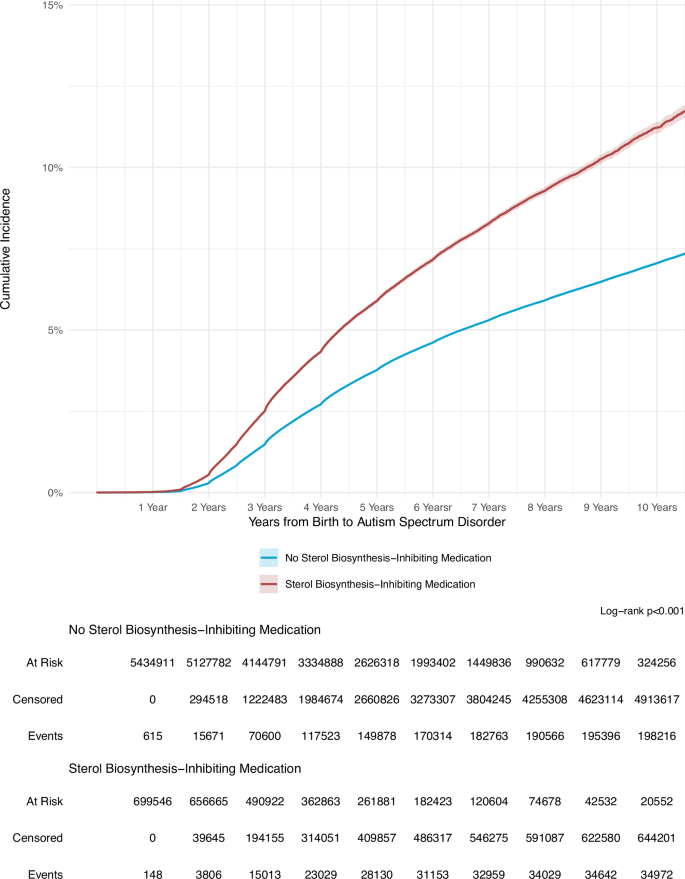
Study Links Antidepressants, Beta-blockers and Statins To Increased Autism Risk

An analysis of 6.14 million maternal-child health records  has linked prescription medications...

Pilot Study: Fibromyalgia Fatigue Improved By TENS Therapy

Fibromyalgia is the term for a poorly-understood condition where people experience pain and fatigue...

User picture.
News StaffRSS Feed of this column.

News Releases From All Over The World, Right To You... Read More »

Blogroll

If you are obese when you are young, it's likely to get worse when you are older.

A recent paper examined the relationship between BMI at age 25, obesity later in life, and biological indicators of health and found that people who were obese by age 25 had a higher chance of more severe obesity later in life, but that current weight, rather than the duration of obesity, was a better indicator of cardiovascular and metabolic risk.  

Cigarette smoking, overuse of screen media and even poor diet have been significantly associated with weekly consumption of sports drinks and energy drinks by adolescents. 

Data for the study were gathered from 20 public middle schools and high schools in the Minneapolis-St. Paul metropolitan area of Minnesota as part of the population-based study, Eating and Activity in Teens (EAT 2010). Surveys and anthropometric measures were completed by 2,793 adolescents during the 2009–2010 school year.

Mean age of the participants was 14.4 years, participants were equally divided by gender, and 81 percent identified as a racial/ethnic background other than non-Hispanic white.

An international team of researchers has, for the first time, identified an avian influenza virus in a group of Adélie penguins from Antarctica. The virus, found to be unlike any other circulating avian flu, is described in a study published this week in mBio®, the online open-access journal of the American Society for Microbiology.

While other research groups have taken blood samples from penguins before and detected influenza antibodies, no one had detected actual live influenza virus in penguins or other birds in Antarctica previously, says study author and Associate Professor Aeron Hurt, PhD, a senior research scientist at the WHO Collaborating Centre for Reference and Research on Influenza in Melbourne, Australia.

How can science help save the wild finches Darwin made famous in the Galapagos Islands from invasive species?

By leaving cotton balls treated with a mild pesticide laying around. In an experiment, the wild finches used the cotton to help build their nests, which killed parasitic fly maggots and protected baby birds.

Self-fumigation works.

"We are trying to help birds help themselves," says biology professor Dale Clayton, senior author of a study outlining the new technique in Current Biology.

A gene that codes for a protein that scientists have found helps the body’s immune cells recognize and fight Group B Streptococcus (GBS) bacteria has been implicated in premature birth risk.

The bacteria are found in the vagina or lower gastrointestinal tract of approximately 15 to 20 percent of healthy women, but may cause life-threatening infections, such as sepsis or meningitis in newborns, especially those born prematurely.

It's a well-known fact that spending on health care has consistently grown faster than the rest of the U.S. economy but what's behind this trend is less certain.

Economists cite multiple variables: rising malpractice costs due to jury awards related to health care; 'defensive medicine', where unnecessary tests are run to have a paper trail if a lawsuit happens; a 'teach to the protocol' environment driven by regulations; the prevalence of diseases afflicting the U.S. population, including an increase in the kinds of conditions that are now considered diseases; and the rising costs of treating diseases.