

Banner
Synchrotron Could Shed Light On Exotic Dark Photons

There are many hypothetical particles proposed to explain dark matter and one idea to explore how...

The Pain Scale Is Broken But This May Fix It

Chronic pain is reported by over 20 percent of the global population but there is no scientific...
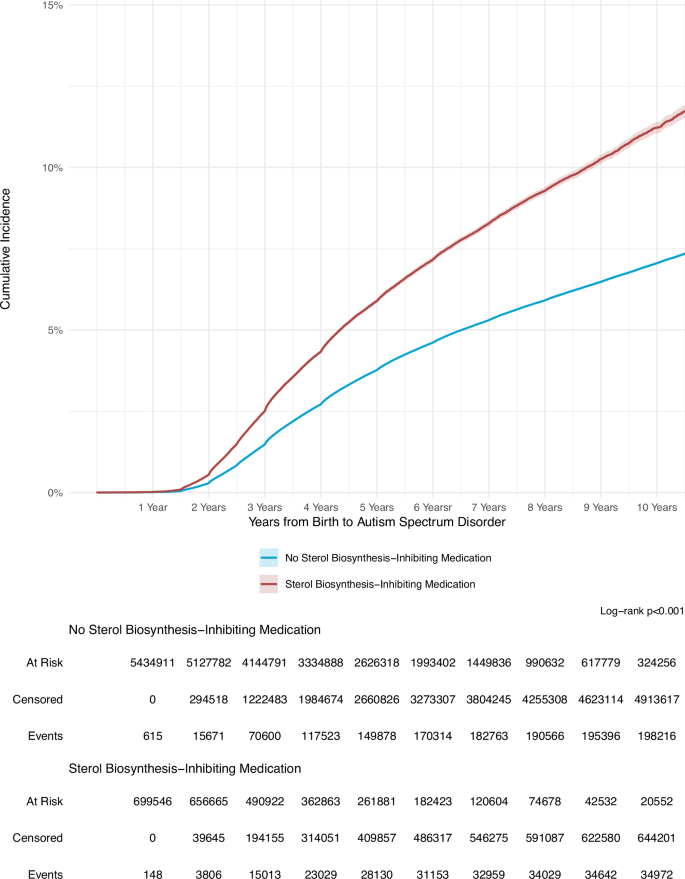
Study Links Antidepressants, Beta-blockers and Statins To Increased Autism Risk

An analysis of 6.14 million maternal-child health records  has linked prescription medications...

Pilot Study: Fibromyalgia Fatigue Improved By TENS Therapy

Fibromyalgia is the term for a poorly-understood condition where people experience pain and fatigue...

User picture.
News StaffRSS Feed of this column.

News Releases From All Over The World, Right To You... Read More »

Blogroll

The combined heat from climate change and urbanization is likely to reduce the number of eastern swallowtails and other native butterflies in Ohio and promote the spread of invasive relatives, a new study led by a Case Western Reserve University researcher shows.

Among 20 species monitored by the Ohio Lepidopterists society, eight showed significant delays in important early lifecycle events when the two factors were combined—a surprising response that may render the eight unfit for parts of the state where they now thrive.

RICHLAND, Wash. – Killer whales and other marine mammals likely hear sonar signals more than we've known.

That's because commercially available sonar systems, which are designed to create signals beyond the range of hearing of such animals, also emit signals known to be within their hearing range, scientists have discovered.

The sound is likely very soft and audible only when the animals are within a few hundred meters of the source, say the authors of a new study. The signals would not cause any actual tissue damage, but it's possible that they affect the behavior of some marine mammals, which rely heavily on sound to communicate, navigate, and find food.

Physically active kids who spend a lot of time outdoors are not only healthier, they have a stronger sense of self-fulfillment and purpose than those who don't - and more spirituality too.

In the Journal of the Study of Religion, Nature and Culture paper, children who played outside five to 10 hours per week said they felt a spiritual connection with the earth and felt their role is to protect it.

There are three simple family-oriented rules of thumb to overcome childhood obesity.

They basically involve limit setting to address the brain's "get more" drive strengthened through habitual over-consumption of temptations including highly caloric processed food, hyper-reality media and electronics, as well as excessive sitting. His 3 "rules" of living promote physical and mental health for children and parents for both treatment and prevention. 

They are below, though the official - and slightly weirder - terms for them are farther down:

1) Limit highly caloric processed food
2) Limit media and electronics
3) Sit a lot less

Kristopher Kaliebe, MD, Clinical Assistant Professor of Psychiatry at

You won't see these in a Whole Foods any time soon, but science has a way to improve the microbiological safety of meat; antimicrobial agents incorporated into edible films. As a bonus, they seal in flavor, freshness and color, according to researchers in Penn State's College of Agricultural Sciences.

Using films made of pullulan -- an edible, mostly tasteless, transparent polymer produced by the fungus Aureobasidium pulluns -- researchers evaluated the effectiveness of films containing essential oils derived from rosemary, oregano and nanoparticles against foodborne pathogens associated with meat and poultry.

While smokers are the primary addictive personality it remains okay to demonize, obesity is not far behind. 

And if smokers tried to quit before and gained weight, they are less likely to try again, according to scholars at Penn State College of Medicine. 

Weight gain is a predictable occurrence for smokers who have recently quit. Within the first year after quitting, people  gain from eight to 14 pounds on average. Some smokers report that they keep smoking simply because they do not want to gain weight from quitting.


